

About this Event
Event Details
- Duration: 1-Day Practical Training (8 Hours)
- Timing: 9:00 AM – 5:00 PM (including breaks)
- Location: Location shared via email ( Complete Address )
- City Selection: Select your preferred city. We’ll confirm the nearest available training location after registration. Onsite training is also available on request.
- Format: Classroom Training (Virtual option available on request)
- Language: English
- Certificate: Course Completion Certificate
- PDUs Awarded: 8 Professional Development Units
- Contact: [email protected]
Event Description
Effective coaching is one of the most valuable skills a manager, supervisor, or team leader can develop. Rather than simply telling employees what to do, coaching helps people think through challenges, identify solutions, build confidence, take ownership, and improve their performance.
This practical Coaching at Work 1-Day Workshop is designed to help participants develop the essential skills required to coach employees effectively as part of everyday workplace conversations.
Participants will explore the difference between coaching, managing, mentoring, training, and directing, helping them recognize when coaching is the most appropriate approach. They will learn how to structure coaching conversations, establish meaningful goals, ask powerful questions, listen actively, provide constructive feedback, encourage reflection, and create accountability for agreed actions.
The workshop introduces practical coaching frameworks, including the GROW approach, while emphasizing that effective workplace coaching does not need to be complicated or overly formal. Coaching can take place during regular conversations, performance discussions, project reviews, development meetings, and everyday problem-solving situations.
Through practical exercises, workplace scenarios, coaching conversations, role-play, reflection, and action planning, participants will have opportunities to practice the skills required to become more confident and effective workplace coaches.
The goal is to help participants create coaching conversations that strengthen capability, encourage independent thinking, improve performance, and support continuous employee development.
What You Will Learn
- Understand the purpose and principles of workplace coaching.
- Distinguish coaching from mentoring, training, managing, and directing.
- Recognize situations where coaching is appropriate.
- Adopt a coaching mindset when developing employees.
- Build trust and psychological safety during coaching conversations.
- Structure effective workplace coaching conversations.
- Apply the GROW coaching framework.
- Establish clear and meaningful coaching goals.
- Ask powerful and thought-provoking questions.
- Improve active listening skills.
- Encourage employees to generate their own solutions.
- Use silence and reflection effectively.
- Give constructive and development-focused feedback.
- Help employees identify performance barriers.
- Coach employees through workplace challenges.
- Encourage ownership and accountability.
- Handle challenging coaching conversations.
- Adapt coaching approaches to different individuals.
- Follow up on coaching commitments.
- Integrate coaching into everyday management.
- Create a personal workplace coaching action plan.
Workshop Modules
Module 1: Understanding Workplace Coaching
- What workplace coaching means.
- The purpose of coaching.
- Characteristics of effective coaching.
- What coaching is and what it is not.
- Coaching versus mentoring.
- Coaching versus training.
- Coaching versus managing and directing.
- Understanding the role of the coach.
- Understanding the role of the coachee.
- Benefits of coaching for employees, managers, teams, and organisations.
- Identifying personal coaching opportunities.
Module 2: Developing a Coaching Mindset
- Moving from giving answers to developing thinking.
- Encouraging employee ownership.
- Creating curiosity rather than making assumptions.
- Believing in people's capacity to develop.
- Balancing support and challenge.
- Avoiding unnecessary control.
- Developing patience during coaching conversations.
- Creating space for reflection.
- Encouraging learning from experience.
- Recognizing personal habits that may limit effective coaching.
Module 3: Knowing When to Coach
- Identifying appropriate coaching situations.
- Coaching for performance improvement.
- Coaching for professional development.
- Coaching employees through new responsibilities.
- Coaching for problem solving.
- Coaching for confidence.
- Coaching employees toward career goals.
- Coaching high-performing employees.
- Recognizing situations where coaching may not be appropriate.
- Selecting the right management intervention for the situation.
Module 4: Building Trust and the Coaching Relationship
- Establishing rapport.
- Creating a supportive coaching environment.
- Building trust and credibility.
- Establishing appropriate confidentiality expectations.
- Creating psychological safety.
- Demonstrating respect and empathy.
- Remaining objective and non-judgmental.
- Encouraging openness.
- Agreeing expectations and boundaries.
- Maintaining professional coaching relationships.
Module 5: Structuring Coaching Conversations
- Preparing for a coaching conversation.
- Establishing the purpose of the discussion.
- Creating focus.
- Understanding the employee's perspective.
- Exploring the situation.
- Identifying desired outcomes.
- Generating possible solutions.
- Agreeing actions.
- Establishing accountability.
- Closing the conversation effectively.
- Following up after coaching.
Module 6: Using the GROW Coaching Framework
- Understanding the GROW framework.
- Goal – identifying the desired outcome.
- Reality – understanding the current situation.
- Options – exploring possibilities and alternatives.
- Way Forward – agreeing actions and commitment.
- Developing questions for each stage.
- Avoiding common mistakes when using structured coaching models.
- Maintaining a natural conversation while using GROW.
- Applying GROW to workplace situations.
- Practicing a complete GROW coaching conversation.
Module 7: Powerful Questioning Skills
- Understanding why questions are central to coaching.
- Using open questions.
- Using probing questions.
- Using reflective questions.
- Using clarification questions.
- Asking solution-focused questions.
- Asking future-focused questions.
- Challenging assumptions constructively.
- Encouraging deeper thinking.
- Avoiding leading and judgmental questions.
- Avoiding excessive questioning.
- Creating a personal coaching question toolkit.
Module 8: Active Listening and Observation
- Understanding the difference between hearing and listening.
- Giving the coachee full attention.
- Listening for facts, emotions, and meaning.
- Recognizing verbal and non-verbal signals.
- Using appropriate eye contact and body language.
- Paraphrasing and summarizing.
- Checking understanding.
- Using silence effectively.
- Avoiding premature solutions.
- Recognizing personal listening barriers.
- Demonstrating empathy without taking over the problem.
Module 9: Feedback and Performance Coaching
- Understanding the role of feedback in coaching.
- Making feedback specific and useful.
- Focusing on observable behaviors.
- Reinforcing effective performance.
- Discussing performance gaps constructively.
- Balancing positive and developmental feedback.
- Encouraging self-assessment.
- Helping employees identify improvement opportunities.
- Turning feedback into action.
- Managing defensive reactions.
- Following up on performance commitments.
Module 10: Coaching Through Challenges
- Coaching employees who feel stuck.
- Working with low confidence.
- Managing limited engagement.
- Coaching through performance challenges.
- Helping employees explore alternative perspectives.
- Responding when the coachee expects the coach to provide every answer.
- Managing emotional conversations.
- Challenging respectfully.
- Maintaining appropriate boundaries.
- Knowing when another form of support is required.
- Keeping coaching conversations productive.
Module 11: Creating Accountability and Sustainable Development
- Turning insight into action.
- Creating clear development goals.
- Agreeing realistic actions.
- Establishing milestones.
- Identifying resources and support.
- Encouraging personal responsibility.
- Monitoring progress without micromanaging.
- Reviewing commitments.
- Recognizing progress and achievement.
- Learning from setbacks.
- Maintaining momentum between coaching conversations.
Module 12: Building Coaching Into Everyday Leadership
- Moving from occasional coaching to everyday coaching.
- Identifying informal coaching opportunities.
- Using coaching during regular one-to-one conversations.
- Coaching during project and task reviews.
- Using coaching in development conversations.
- Encouraging managers to ask before telling.
- Creating greater employee ownership.
- Modeling coaching behaviors.
- Supporting peer coaching.
- Building a continuous-learning environment.
- Identifying personal coaching development priorities.
- Creating a 30-day workplace coaching action plan.
Who Should Attend?
This workshop is suitable for:
- Managers and supervisors.
- Team leaders.
- New and emerging managers.
- Department heads.
- People managers.
- Project managers.
- HR professionals.
- Learning and development professionals.
- Trainers and facilitators.
- Performance managers.
- Talent development professionals.
- Business owners.
- Leaders responsible for developing employees.
- Professionals involved in employee development.
- Anyone who coaches colleagues as part of their role.
Workshop Benefits
Participants will gain practical strategies to:
- Coach employees with greater confidence.
- Develop a practical coaching mindset.
- Know when coaching is the appropriate management approach.
- Structure effective coaching conversations.
- Apply the GROW coaching framework.
- Ask more powerful questions.
- Improve active listening.
- Build trust during development conversations.
- Encourage employees to think independently.
- Reduce over-reliance on managers for solutions.
- Give more effective developmental feedback.
- Improve performance conversations.
- Support employee development.
- Coach employees through workplace challenges.
- Encourage greater ownership and accountability.
- Set meaningful development goals.
- Turn coaching conversations into practical actions.
- Improve follow-up after coaching.
- Integrate coaching into everyday leadership.
- Contribute to a stronger coaching and learning culture.
🎓 Certification
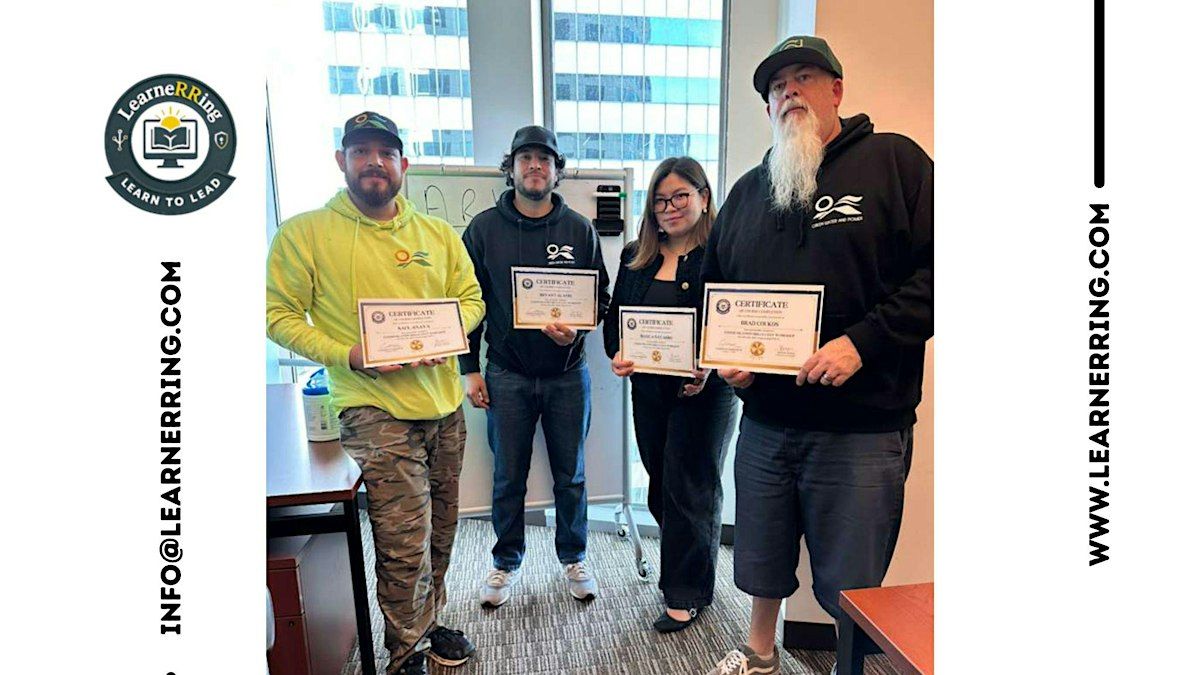
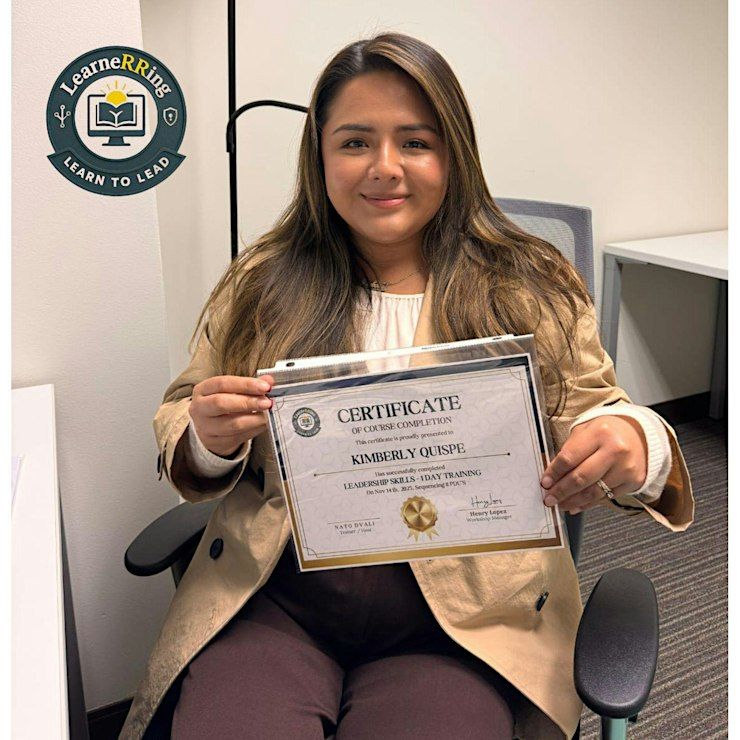
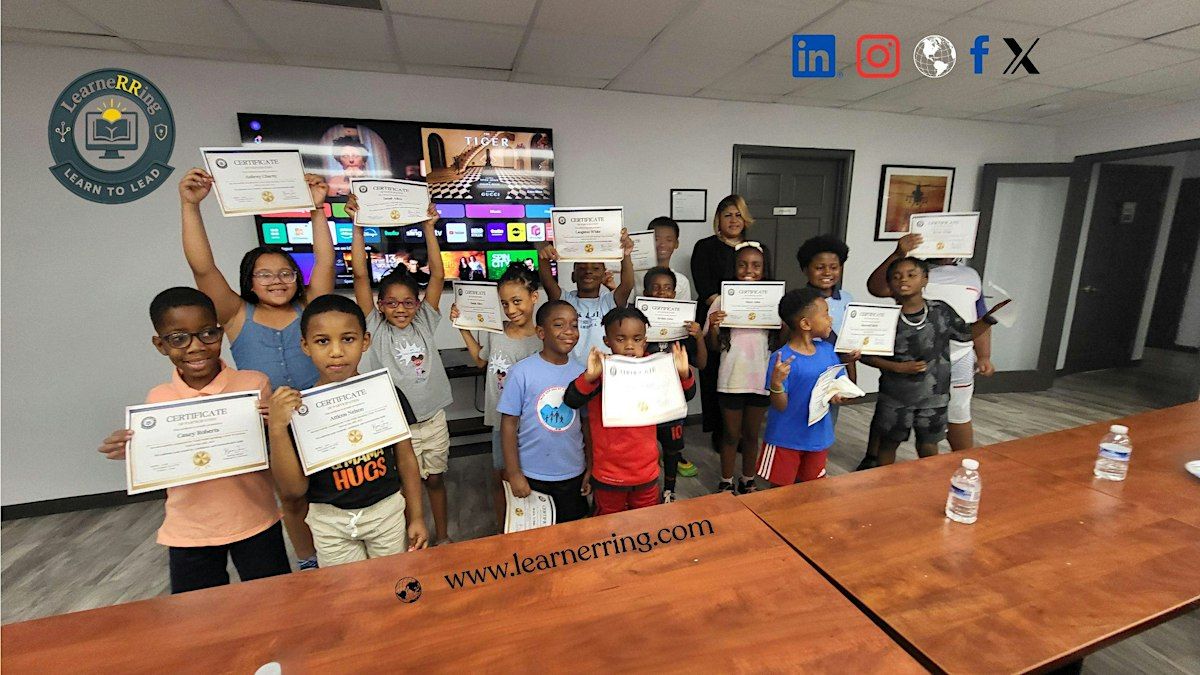
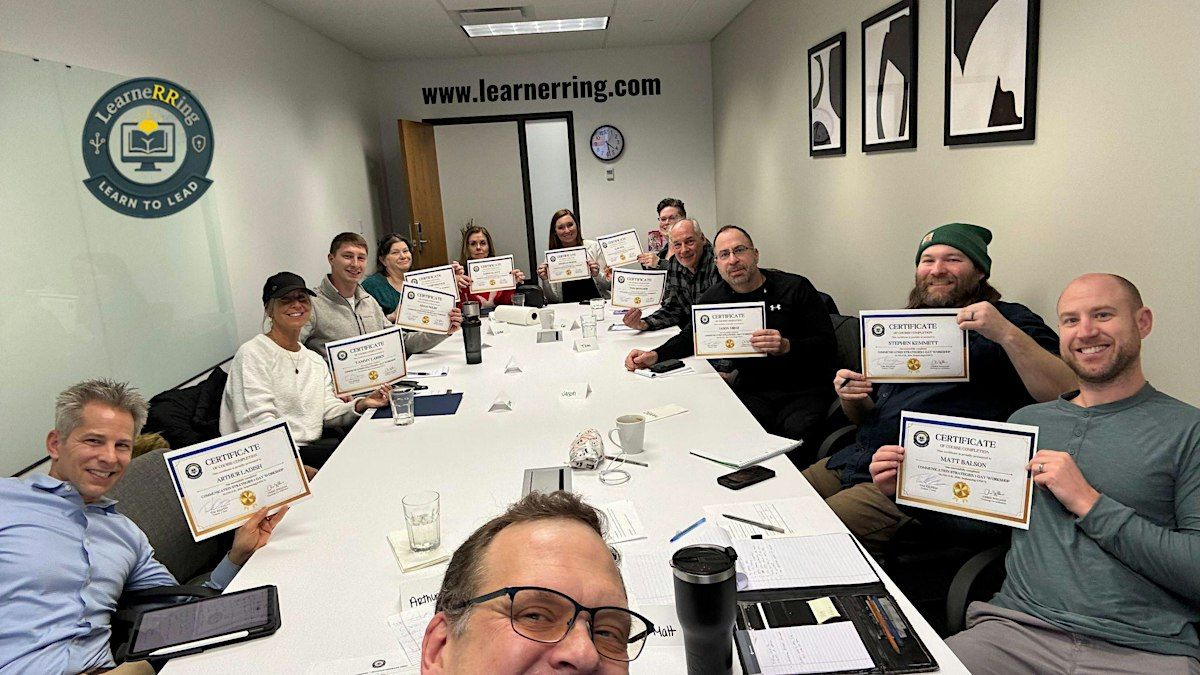
All participants will receive a Certificate of Completion from LearneRRing, recognizing their achievement.
Exclusive OffersGroup Discounts:10% off for groups of 5-10 participants15% off for groups of 11-20 participants
Corporate & Team Training Available
Want this course delivered at your workplace or for your team? We offer customized onsite and virtual sessions for companies.📩 Email us at [email protected] for details.
Event venue & nearby stays
For venue details reach us at [email protected], PH: +1505 369 2908, New York, United States
 Concerts, fests, parties, meetups — all the happenings, one place.