

About this Event
The Gifford Lectures, established in 1887, are one of the most prestigious lecture series in the world, dedicated to promoting and advancing the study of natural theology - exploring profound questions about the relationship between science, philosophy, and religion. Over the years, the lectures have welcomed some of the most influential thinkers, sparking rigorous intellectual discussion and deep reflection on life’s biggest questions.
In partnership with the University of Edinburgh, we are proud to continue this distinguished tradition. Following the successful launch of The Gifford Lectures: Beyond the Series in 2025, the special autumn programme returns for a second year, expanding the scope and reach of the Gifford Lectures beyond the regular lecture series.
This year’s Beyond the Series lecture will feature Professor Steven Shapin, acclaimed historian and sociologist of science and Professor Emeritus at Harvard University.
Join us this October for another compelling evening of thought-provoking discussion as Professor Shapin brings his distinctive perspective to the Gifford Lectures: Beyond the Series.
The Edible Complex: Food and the Moral Order, Past & Present
The dietary order has always been part of the moral order, but the idioms linking them have historically changed.
In the distant past, secular sentiments told you to “eat to live, not live to eat”, and Christian morality counted gluttony among the Deadly Sins. In traditional dietetic medicine, moderation in eating and drinking was the path to both virtue and health, and the cosmology of elements and qualities (hot, cold, moist, and dry) told you what sorts of foods were good for your temperament, while also helping to make your temperament, what you were like as a civic and moral being.
That idiom is largely absent in present-day nutritional sensibilities: what is good for you is largely disengaged from what is good, health from personal virtue. Qualities have been replaced by constituents, proteins, fats, carbohydrates; eating too much is not a sin but a risk factor.
Yet the moral order still has its place on our dinner tables, while the elements of that morality have changed. What is good for us may not be part of virtue, but our eating choices now bear upon what is good for the planet, good for the social and economic order, and good for the plants and animals that we either eat or refrain from eating.
How have these changes marked out culture and our sense of who we are?
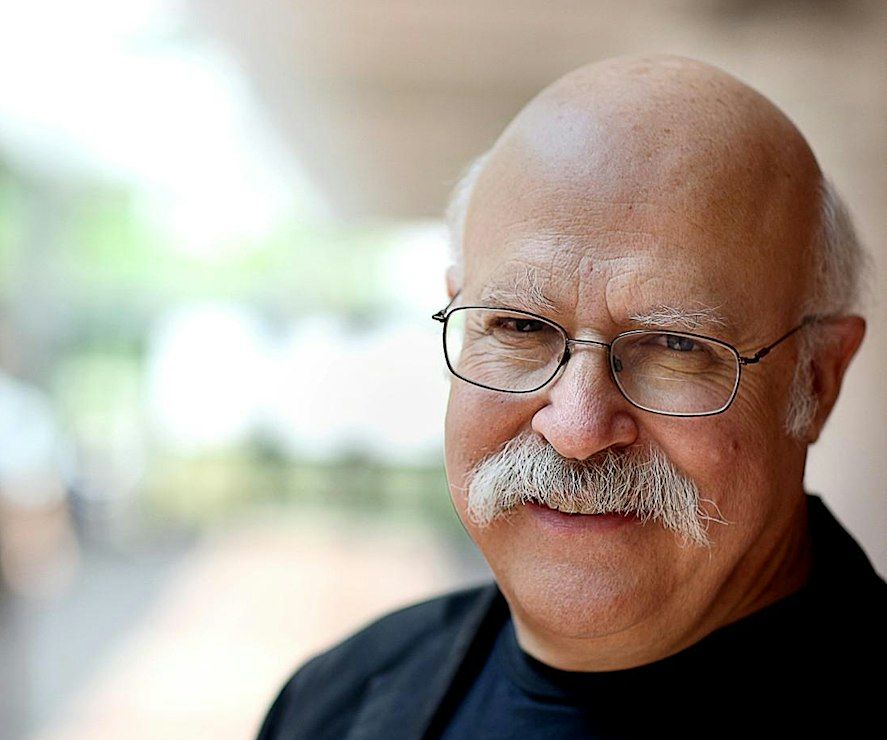
Steven Shapin is professor emeritus of the history of science at Harvard, having spent the first part of his academic career at the Science Studies Unit, University of Edinburgh, and the next as professor of sociology at the University of California, San Diego.
His books have treated a range of topics in the history and sociology of science. Past work has included science in early modern England and in high-tech America industry. More recently, he has written about the historical trajectory of ideas about food, nutrition, and taste. His work has been recognized by the Sarton Medal of the History of Science Society (for lifetime contributions to the field) and (with Simon Schaffer of Cambridge University) by the Erasmus Prize (for “an exceptional contribution to European culture, society, or social science”).
He is a Contributing Editor of The London Review of Books - for which he has contributed about 60 essays - and he has written for The New Yorker and other general-interest publications.
Event venue & nearby stays
Edinburgh Futures Institute, The University of Edinburgh, 1 Lauriston Place, Edinburgh, United Kingdom
 Concerts, fests, parties, meetups — all the happenings, one place.