 RSE partnership event with the Scottish Cancer Foundation
About this Event
Cancer rates are rising worldwide, while the cost of treatment continues to increase. Natural compounds found in foods and old generic drugs could offer safe and affordable ways to prevent cancer, but proving their benefits in clinical trials can be challenging. In this talk, we'll outline some of these challenges and how we can overcome them.
We'll also look at the journey of resveratrol, a constituent of red grapes, wine and peanuts, and its potential to help prevent bowel cancer. We’ll explore how research has progressed from laboratory studies to COLO-PREVENT, a large national trial currently running across 48 bowel cancer screening centres in the UK. The trial aims to investigate whether resveratrol, aspirin and the diabetes drug metformin can protect people from developing bowel polyps. The trial's clinical samples are being analysed to understand how the therapies work and identify biological markers that could help develop more personalised approaches to cancer prevention in the future.
Note for attendees: This event includes a post talk discussion with Ms Alison Culpan FRSE and the event chair, plus time for an audience Q&A.
SPEAKER: Professor Karen Brown
Professor of Translational Cancer Research, Director Leicester Cancer Research Centre, University of Leicester
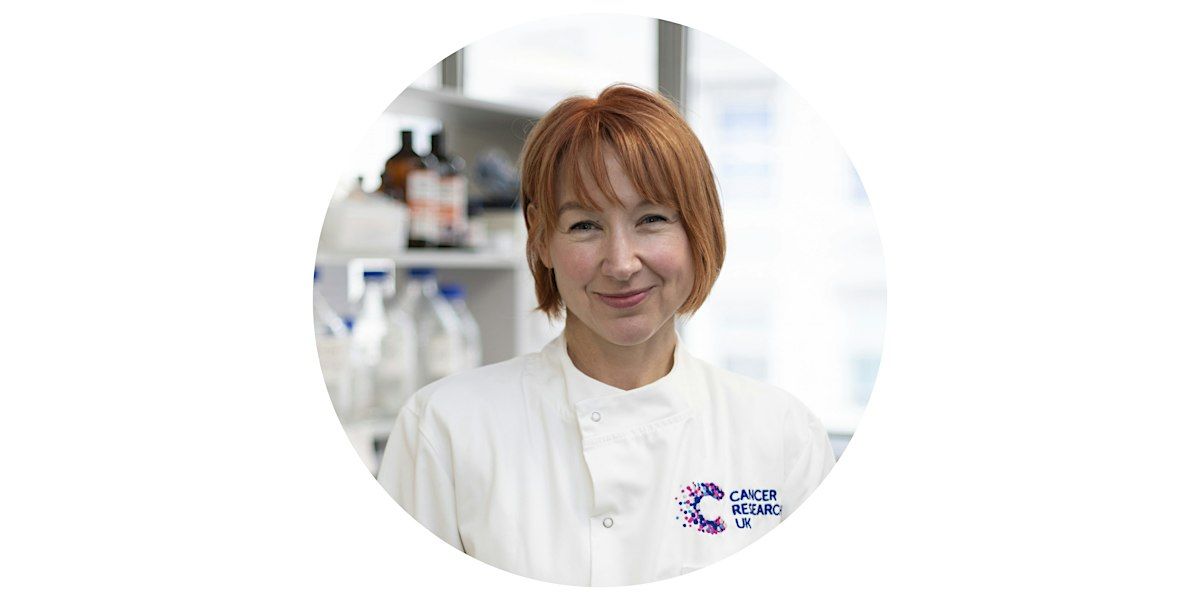
Karen Brown is Professor of Translational Cancer Research at the University of Leicester, where she leads the multidisciplinary Cancer Prevention Group. Her research focuses on discovering and developing therapies for cancer prevention in high-risk populations, translating promising therapies into early- and late-phase clinical trials, and identifying pharmacodynamic biomarkers to monitor activity and personalise interventions. She also has an interest in how metabolic health influences cancer risk and responses to preventive therapies. Over 20 years, her work has led to COLO-PREVENT, a world-first Cancer Research UK-funded prevention trial platform of resveratrol, aspirin and metformin in high-risk patients identified through the NHS Bowel Cancer Screening Programme, with an embedded translational precision prevention programme.
Karen is joint lead of the Leicester Experimental Cancer Medicine Centre, Director of the Leicester Cancer Research Centre, Co-Chair of the UK Therapeutic Cancer Prevention Network, and Vice-Chair of the Cancer Research UK Prevention and Population Research Committee.
DISCUSSANT: Professor Alison Culpan, BA, LLB, FRSE
Chair of CMAC and visiting Professor
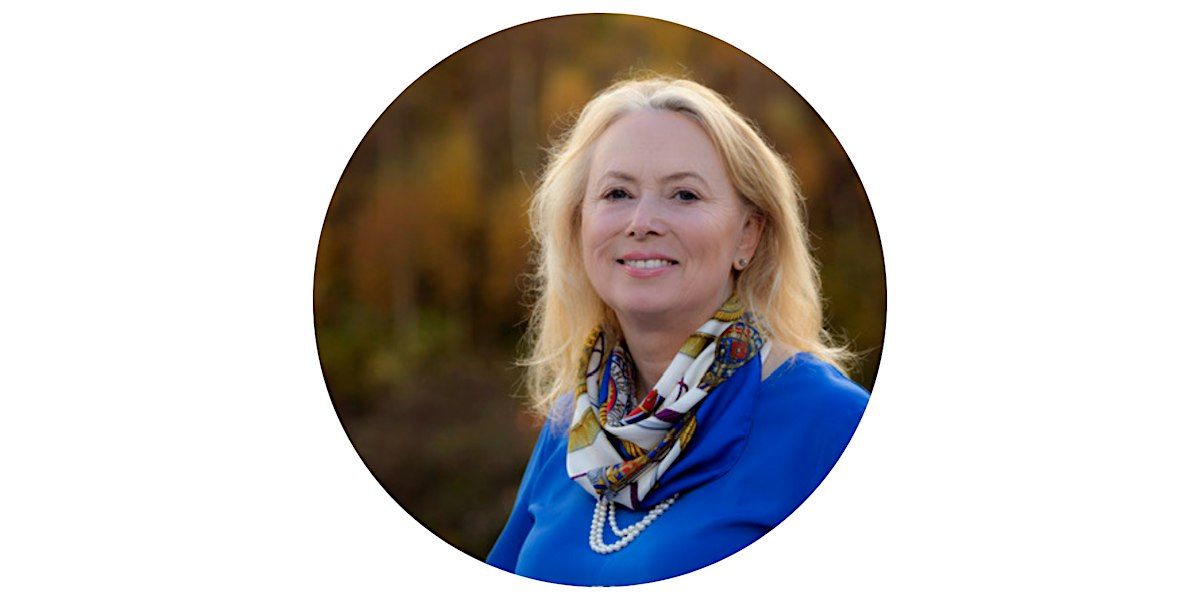
Alison is a distinguished public-sector and life sciences leader with extensive non-executive and advisory experience across industry, academia, and government. A Fellow of the Royal Society of Edinburgh and a multiple award-winning figure in Scottish business and public health advocacy.
She was the Scottish Director of the Association of British Pharmaceutical Industries between 2016 and 2025 and has served as Chair of CMAC since 2023. CMAC is a world-leading research centre advancing the future of pharmaceutical manufacturing. Alison provides strategic oversight across their core pillars of research, skills, facilities, and industrial translation. Working with partners across academia, industry and government, Alison supports CMAC’s mission to deliver cutting-edge science, sustainable growth, and an inclusive, international future for medicines development.
CHAIR: Professor Katie Robb
Behavioural Science and Health, School of Health and Wellbeing, University of Glasgow
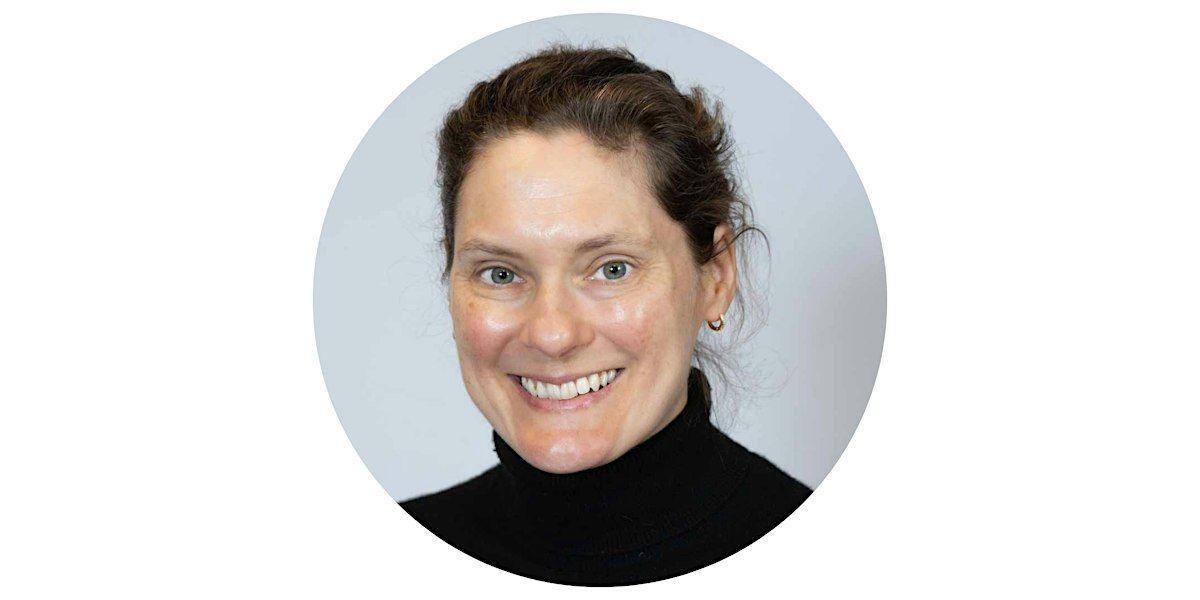
Professor Katie Robb leads the Cancer Behaviour Research Group at the University of Glasgow which aims to improve cancer outcomes by the application of behavioural science and multi-disciplinary collaboration. Her research includes advancing the co-design of interventions to improve access to cancer screening and reducing inequalities in cancer outcomes. Katie has an MA in Psychology from the University of St Andrews and an MSc and PhD in Health Psychology from University College London.
Important points to note
- This event is suitable for age 16+
- Sensitive content warning - Please be aware that this event will discuss sensitive matters surrounding cancer and cancer prevention.
- Privacy policy: Please note that any personal data that is submitted to the RSE will be stored and processed in accordance with the RSE’s Privacy Policy. We will only use mobile numbers provided to contact you in the event of a cancellation.
- Filming: Livestreaming and photography may take place at this event. Please let a member of the RSE Public Engagement team know if you do not want to be photographed. Recorded events will be made available on the RSE YouTube channel.
- Covid-19: If you would like to wear a face mask, please feel comfortable to do so at our events. Please be mindful of other participants and stay at home if you have Covid symptoms or have tested positive for Covid-19.
Accessibility
We aim to make events as accessible as possible. If you have any accessibility requirements or have any questions related to how we can support this event, please contact [email protected]. Accessibility information for the RSE building can be found on our website: Accessibility - Royal Society of Edinburgh (RSE) : Royal Society of Edinburgh
Wheelchair spaces: If you would like to book a space as a wheelchair user, please select the ticket type 'wheelchair space ticket' during the booking process. If this is sold out, please contact the Public Engagement team on [email protected]
Newsletter
If you would like to receive information from the RSE on forthcoming events and activities, including our Newsletter, please subscribe here: https://rse.org.uk/subscribe/
Please visit the RSE FAQs page for further details about venue and events.
Event venue
The Royal Society Of Edinburgh, 22-26 George Street, Edinburgh, United Kingdom
 Concerts, fests, parties, meetups — all the happenings, one place.