
About this Event
Forgiveness can be psychologically and emotionally hard - sometimes it can feel almost impossible. But forgiveness also raises some surprisingly tricky philosophical questions.
Forgiving involves letting go of blame and the hostile feelings that come with it, while still believing that the person was at fault. But this makes forgiveness seem paradoxical: If someone is blameworthy for a wrong, it is rational to blame them. And if they aren’t, what is there to forgive?
And, while forgiveness is something that we can try to earn, it’s not something we can demand. Sincere repentance and making amends may give us good reasons to forgive, but the act of forgiving is often seen as a choice – something we can do freely even when the wrongdoer hasn’t shown any remorse. But, is it right to forgive someone who hasn’t apologised or owned up to what they’ve done? And is it right not to forgive someone who has?
In this talk, Professor Maria Alvarez explores what forgiveness really means, whether it can be owed to another, and whether it can be right to forgive unrepentant wrongdoers.
The event will include a panel of experts who, alongside Maria and the event Chair, will discuss the subject further before opening the Q&A to the Audience.
Speaker: Professor Maria Alvarez
Professor of Philosophy, King's College London
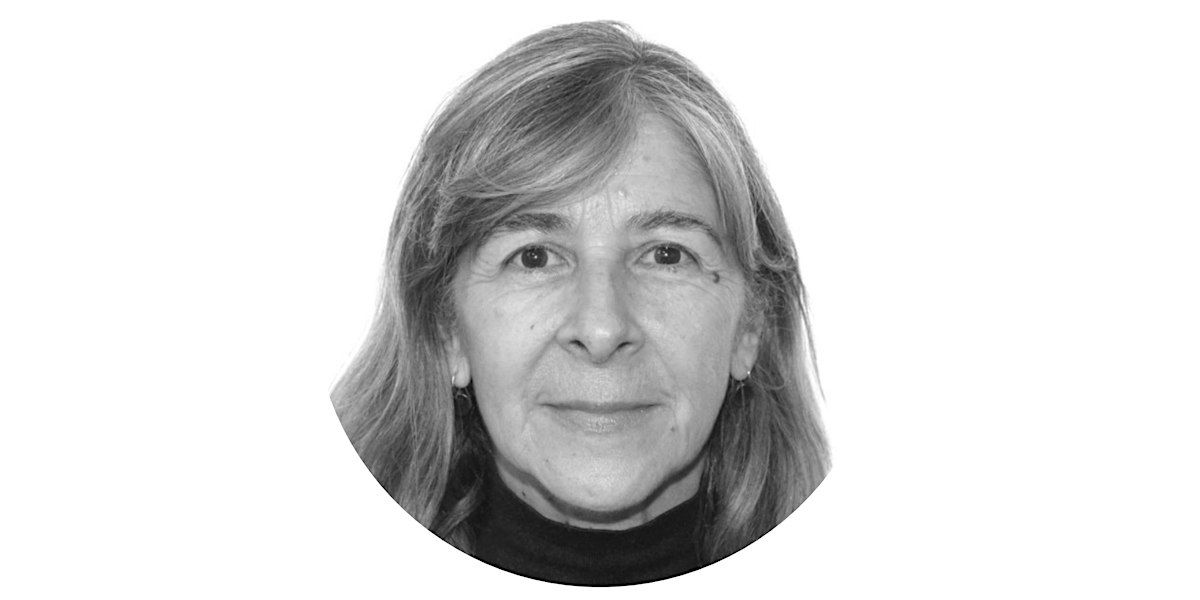
Maria Alvarez is a Professor of Philosophy at King’s College London. Before joining King’s, she was a lecturer at the University of Southampton, having previously taught at the Universities of Oxford and Reading.
Her philosophical interests ranges over questions about human agency, moral responsibility, freedom, reasons, and ethics. She has published on those topics in journals and collections and her book Kinds of Reasons: An Essay in the Philosophy of Action was published by Oxford University Press in 2010. She is currently working on the relationship between agency, choice and moral responsibility.
She is co-Editor of Philosophy, the journal of the Royal Institute of Philosophy.
PANELLIST: Professor Matthew Chrisman FRSE
Professor of Ethics and Epistemology, University of Edinburgh
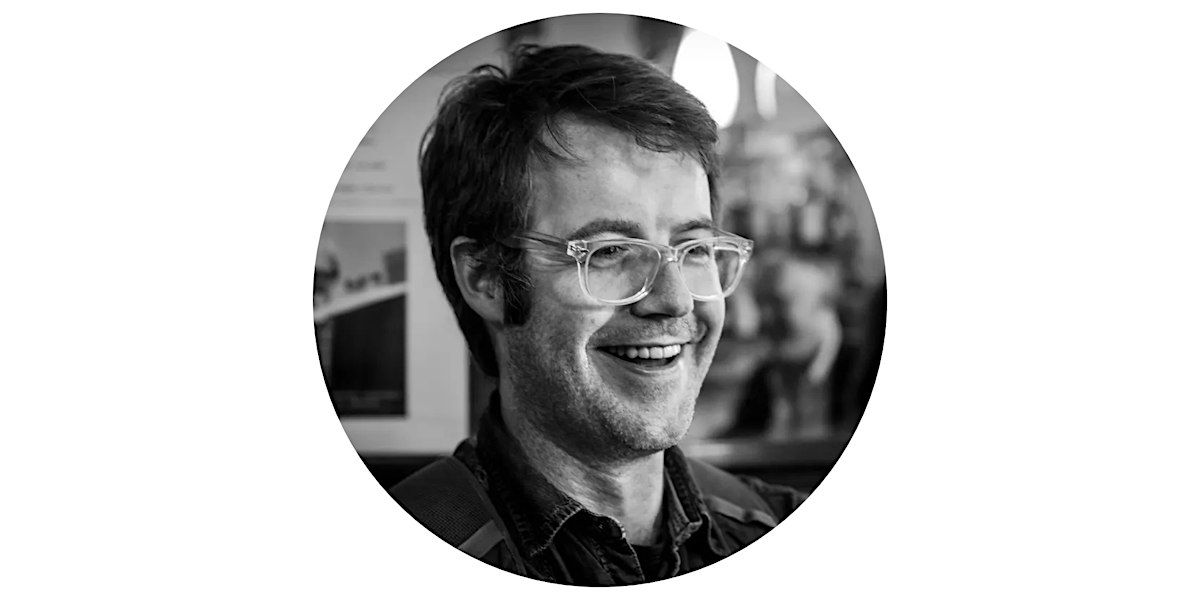
Matthew is a professor of philosophy at the University of Edinburgh, where my teaching and research have focused on ethics, epistemology, language and politics. He is principally interested in using the language of norms and values to discuss how to live and what to believe. He also maintains a keen interest in the history of philosophical answers to these questions, as well as the contemporary social/political role of the various linguistic manifestations of disagreement, debate, discussion, and protest. He has published several monographs and textbooks on these topics, as well as many articles, teaching resources, and pieces in the popular media. He was a member of the Young Academy of Scotland and is a founding director of the Centre for Responsible Debate.
CHAIR: Professor John Gillies FRSE
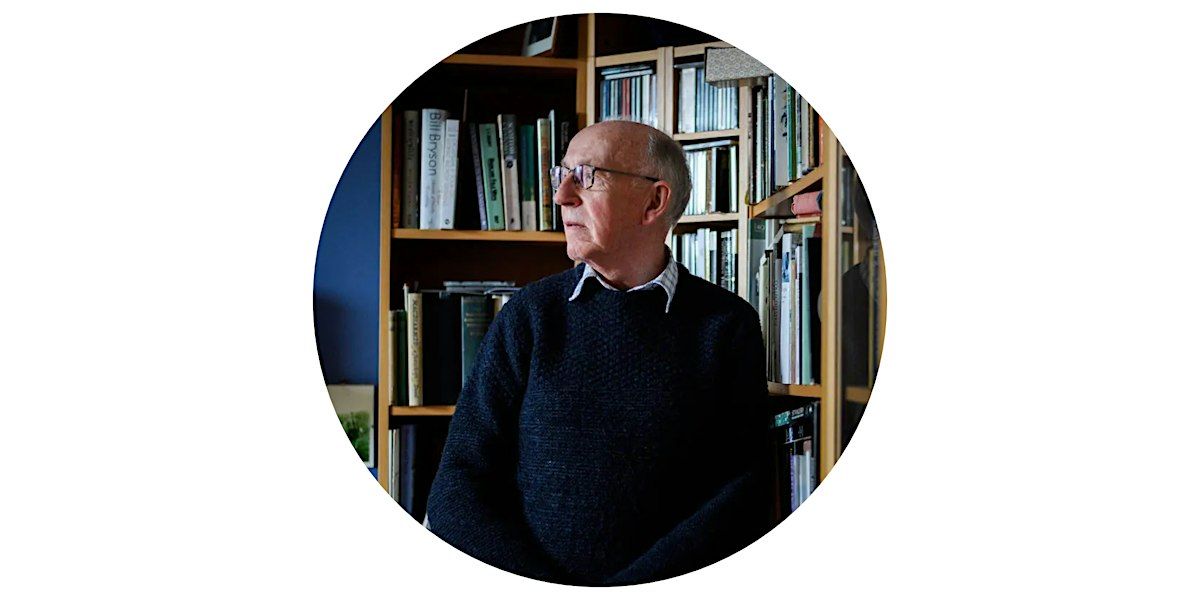
Professor John Gillies is an Edinburgh graduate who has worked in Malawi and as a general practitioner in rural Scotland. He was Deputy Director of the Scottish School of Primary Care from 2014 to 2019. SSPC works nationally and internationally on evidence for practice and policy. He is Honorary Professor of General Practice at the University of Edinburgh. Between 2010 and 2014, he was Chair of the Royal College of GPs in Scotland where he focused on leadership and quality improvement in healthcare. He has published on rural healthcare, philosophy of medicine, heart disease and primary healthcare policy. He co-directs the University Global Compassion Initiative, which works across disciplines to use the growing evidence for compassion in workplaces, and to explore its importance to Artificial Intelligence,Robotics and development in human society.
Important points to note
- This event is suitable for ages 16+
- Sensitive content - Please note that this event will include discussion of forgiveness, which implies discussing wrongdoing, and illustrations with examples that may be distressing or controversial. Also, the issues may resonate with people’s experiences in ways that are painful.
- Privacy policy: Please note that any personal data that is submitted to the RSE will be stored and processed in accordance with the RSE’s Privacy Policy. We will only use mobile numbers provided to contact you in the event of a cancellation.
- Filming: Livestreaming and photography may take place at this event. Please let a member of the RSE Public Engagement team know if you do not want to be photographed. Recorded events will be made available on the RSE YouTube channel.
- Covid-19: If you would like to wear a face mask, please feel comfortable to do so at our events. Please be mindful of other participants and stay at home if you have Covid symptoms or have tested positive for Covid-19.
Accessibility
We aim to make events as accessible as possible. If you have any accessibility requirements or have any questions related to how we can support this event, please contact [email protected]. Accessibility information for the RSE building can be found on our website: Accessibility - Royal Society of Edinburgh (RSE) : Royal Society of Edinburgh
Wheelchair spaces: If you would like to book a space as a wheelchair user, please select the ticket type 'wheelchair space ticket' during the booking process. If this is sold out, please contact the Public Engagement team on [email protected]
Newsletter
If you would like to receive information from the RSE on forthcoming events and activities, including our Newsletter, please subscribe here: https://rse.org.uk/subscribe/
Please visit the RSE FAQs page for further details about venue and events.
Event venue & nearby stays
The Royal Society Of Edinburgh, 22-26 George Street, Edinburgh, United Kingdom
 Concerts, fests, parties, meetups — all the happenings, one place.