
About this Event
Foundations of Surgical and Restorative Implant Dentistry
A comprehensive three-day, hands-on implant programme designed to take clinicians from case selection and treatment planning through to predictable placement, restoration and maintenance of straightforward single implants.
Course Overview
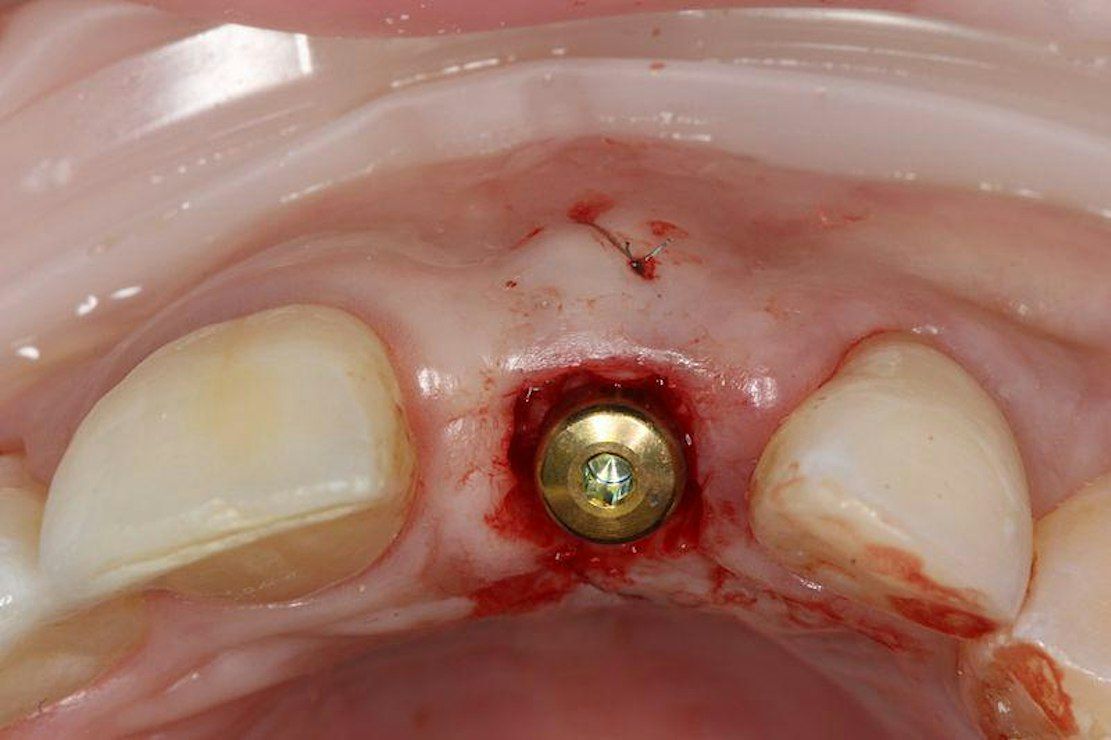
The Implant Roadmap 101 is a structured, three-day implant dentistry programme created for clinicians who are beginning their implant journey or who want a clearer, safer and more predictable approach to straightforward implant treatment.
Starting implant dentistry can feel overwhelming. There are countless implant systems, surgical protocols, restorative components and differing clinical opinions. This course simplifies that information into a practical roadmap that clinicians can understand, repeat and immediately begin applying in practice.
The programme follows the complete lifecycle of a single implant case, from the initial consultation and radiographic assessment through to three-dimensional planning, surgical placement, soft tissue development, restoration, occlusion and long-term maintenance.
The course deliberately focuses on the cases clinicians should be treating at the beginning of their implant journey. Emphasis is placed on selecting appropriate patients, identifying ideal first cases, understanding personal limitations and recognising when treatment should be delayed or referred.
Surgical and restorative concepts are taught together throughout the programme. Participants learn to plan every implant from the final restoration backwards, ensuring that implant position supports the desired biological, functional and aesthetic outcome.
Focused lectures are combined with extensive hands-on exercises using models and pig jaws. Participants will practise flap design, suturing, socket preservation, osteotomy preparation, implant placement, second-stage procedures, impression workflows and the fabrication of customised healing components under close supervision from an experienced multidisciplinary faculty.
The objective is not simply to teach participants how to place an implant. It is to provide a safe and repeatable system for planning, placing, restoring and maintaining straightforward implant cases with confidence.
Who is this course for?
This programme is designed for:
- Early-career dentists interested in beginning implant dentistry
- General dentists who currently restore implants but want to begin placing them
- Clinicians who have completed introductory implant education but lack a structured implementation pathway
- Dentists who want greater confidence with flap design, suturing and surgical treatment planning
- Clinicians seeking an integrated surgical and restorative understanding of single implant dentistry
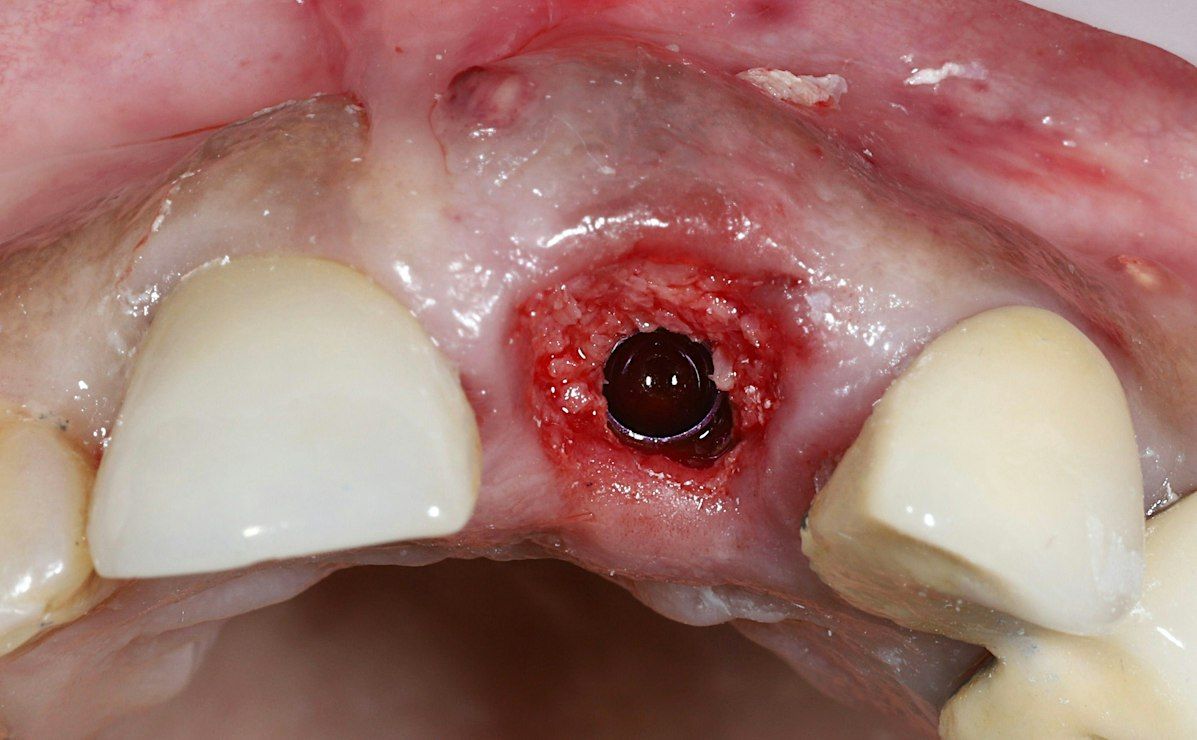
The programme focuses primarily on predictable single implants in healed posterior sites.
Immediate implants, guided surgery, bone grafting and more advanced procedures will be introduced to provide context and support appropriate referral decisions. These procedures will be explored in greater depth within future Implant Roadmap programmes.
What will you learn?
Implant Fundamentals
Understand implant components, implant anatomy and the biological principles that govern osseointegration and long-term success.
Learn how implant design, connection type, surface characteristics and drilling protocols influence primary stability and clinical decision making.
Patient Assessment and Case Selection
Develop a structured implant consultation and assessment process.
Learn how to identify ideal beginner cases, recognise medical and anatomical risk factors and avoid cases that are unsuitable for the early stages of your implant journey.
Prosthetically Driven Treatment Planning
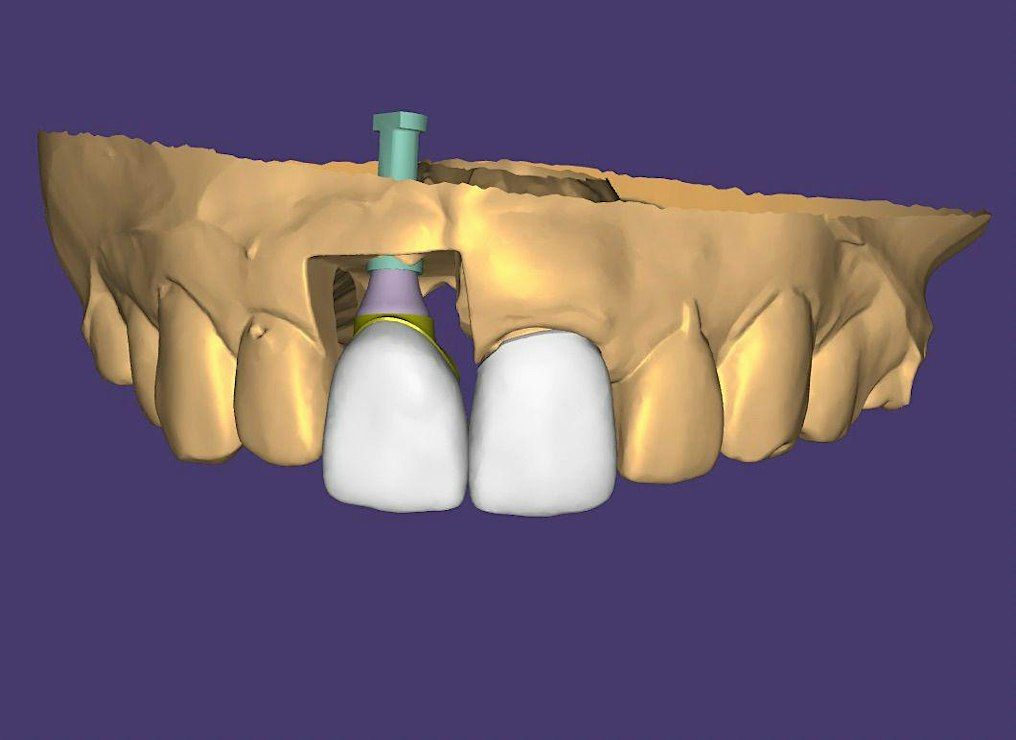
Learn to plan the implant from the final restoration backwards.
Understand how the proposed tooth position, restorative space, tissue architecture and occlusion determine the correct three-dimensional implant position.
CBCT and Anatomical Assessment
Develop a systematic approach to reviewing CBCT scans for straightforward implant cases.
Identify available bone volume, anatomical structures, restorative limitations and factors that may increase surgical risk.
Extraction and Socket Management
Understand what happens biologically following tooth extraction and how bone and soft tissue changes can affect future implant placement.
Learn the principles of atraumatic extraction, socket assessment and socket preservation.
Flap Design and Suturing
Learn how to select, design and execute appropriate flaps for straightforward implant surgery.
Develop practical skills in tissue handling, flap elevation, wound closure and suturing for stable, tension-free healing.
Osteotomy Preparation and Implant Placement
Understand the complete surgical sequence for placing an implant in a healed posterior site.
Learn drilling protocols, depth and angulation control, irrigation principles and techniques for working with different bone densities.
Implant Position and Primary Stability
Understand the importance of mesiodistal, buccolingual and apicocoronal implant positioning.
Learn how implant design, osteotomy preparation and bone quality affect insertion torque and primary stability.
Freehand and Guided Surgery
Understand the principles, indications and limitations of freehand and guided implant placement.
Learn how surgical guides are planned and how guided surgery can assist with positioning while still requiring sound clinical judgement.
Healing and Second-Stage Surgery
Understand osseointegration, submerged and non-submerged healing protocols and appropriate loading timelines.
Learn different approaches to uncovering implants and selecting healing components.
Soft Tissue Development and Emergence Profile
Understand how peri-implant soft tissue architecture affects cleansability, aesthetics and restorative outcomes.
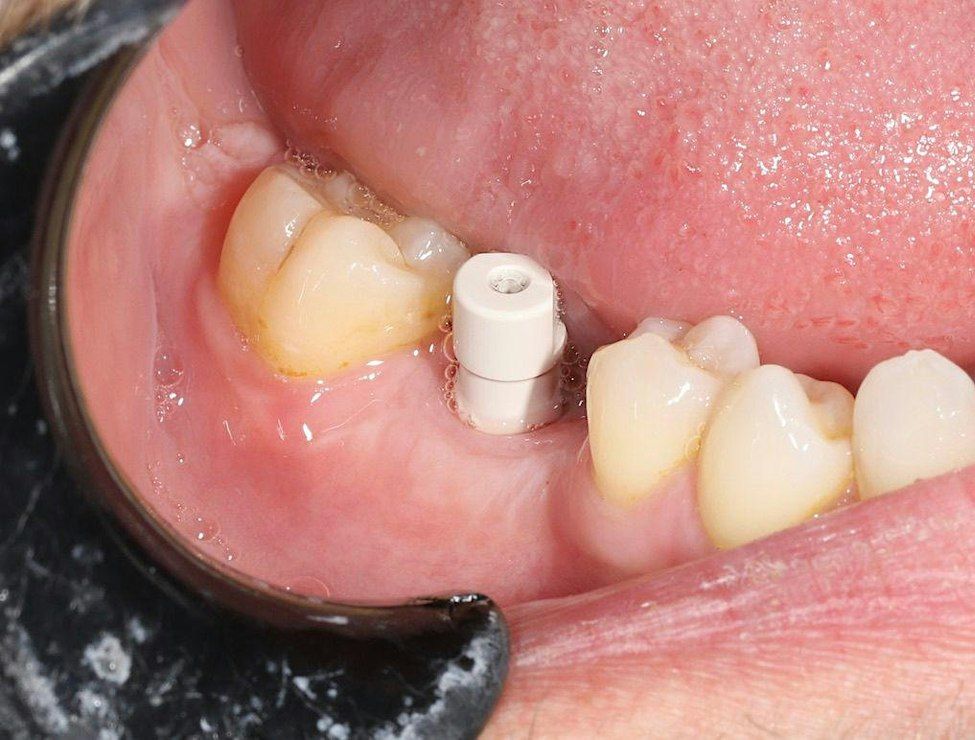
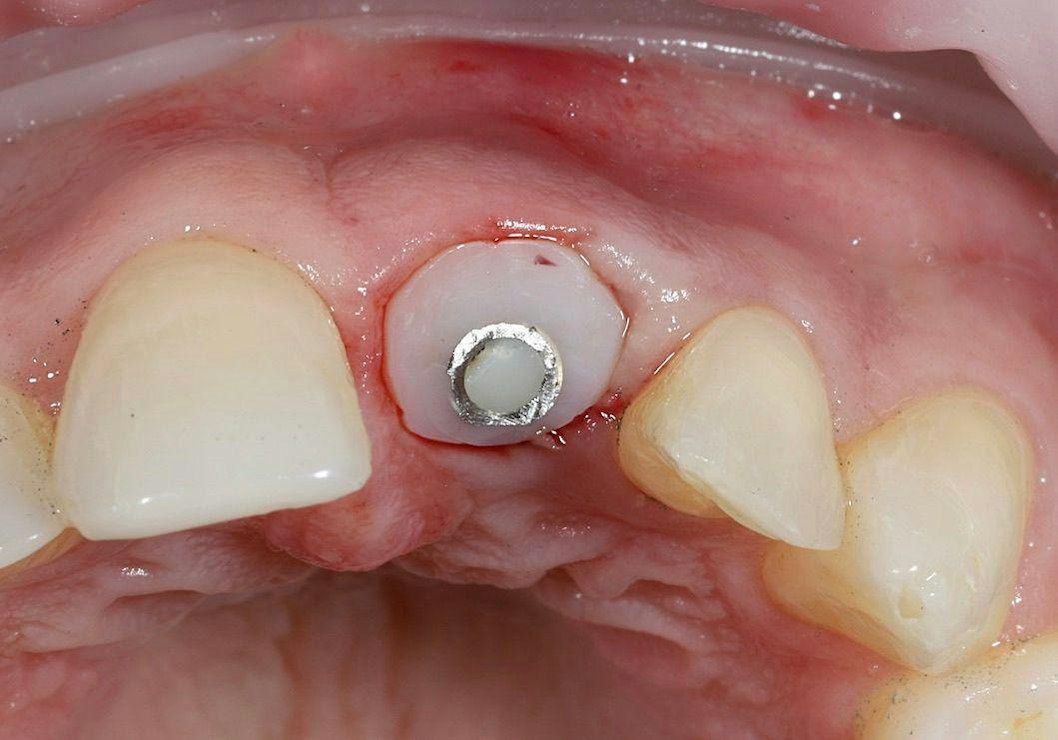
Learn how standard and customised healing abutments can be used to support tissue development and create an appropriate emergence profile.
Implant Restorative Workflows
Understand conventional and digital implant impression workflows.
Learn implant component selection, restorative space assessment, scan body use, impression coping selection and communication with the dental laboratory.
Abutment and Restoration Selection
Understand the indications for screw-retained and cement-retained implant restorations.
Learn how implant position, restorative material, tissue depth and access channel location influence abutment and restoration design.
Implant Occlusion
Develop a practical approach to occlusion for single implant restorations.
Understand how contact intensity, excursive contacts, cantilevers, crown dimensions and parafunctional risk influence biomechanical loading and restoration longevity.
Complications and Maintenance
Learn to recognise and manage common early surgical and restorative complications.
Understand when to intervene, when to monitor and when to refer.
Develop a structured maintenance protocol for the long-term review of implant patients.
Patient Communication and Practice Implementation
Learn how to explain implant treatment, risks, alternatives and limitations clearly to patients.
Develop an implementation pathway for introducing straightforward implant dentistry into practice with appropriate documentation, consent, equipment and clinical support.
How will you learn?
The Implant Roadmap 101 combines focused lectures, clinical case discussions, faculty demonstrations and extensive hands-on training.
Each clinical concept is taught in the context of a complete patient journey. Participants will repeatedly connect the surgical decision to its restorative and biological consequences.
Hands-on sessions will include exercises using surgical models and pig jaws. Participants will work through the fundamental procedures required for straightforward implant treatment under close faculty supervision.
Multiple educators will be present during practical sessions, allowing participants to receive direct feedback on instrument handling, positioning, surgical technique and restorative execution.
The course is structured to ensure that participants leave with both knowledge and practical experience, rather than a collection of disconnected implant concepts.
LEARNING OUTCOMES
By the end of the programme, participants should be able to:
- Conduct a structured implant consultation and risk assessment
- Identify appropriate beginner implant cases
- Interpret a CBCT for straightforward implant treatment
- Plan a single implant from the final restoration backwards
- Understand extraction timing and socket preservation principles
- Design and elevate a basic surgical flap
- Perform foundational suturing techniques
- Prepare an osteotomy using a sequential drilling protocol
- Place a straightforward implant in a healed posterior site
- Assess primary stability and select an appropriate healing protocol
- Understand second-stage surgery and healing abutment selection
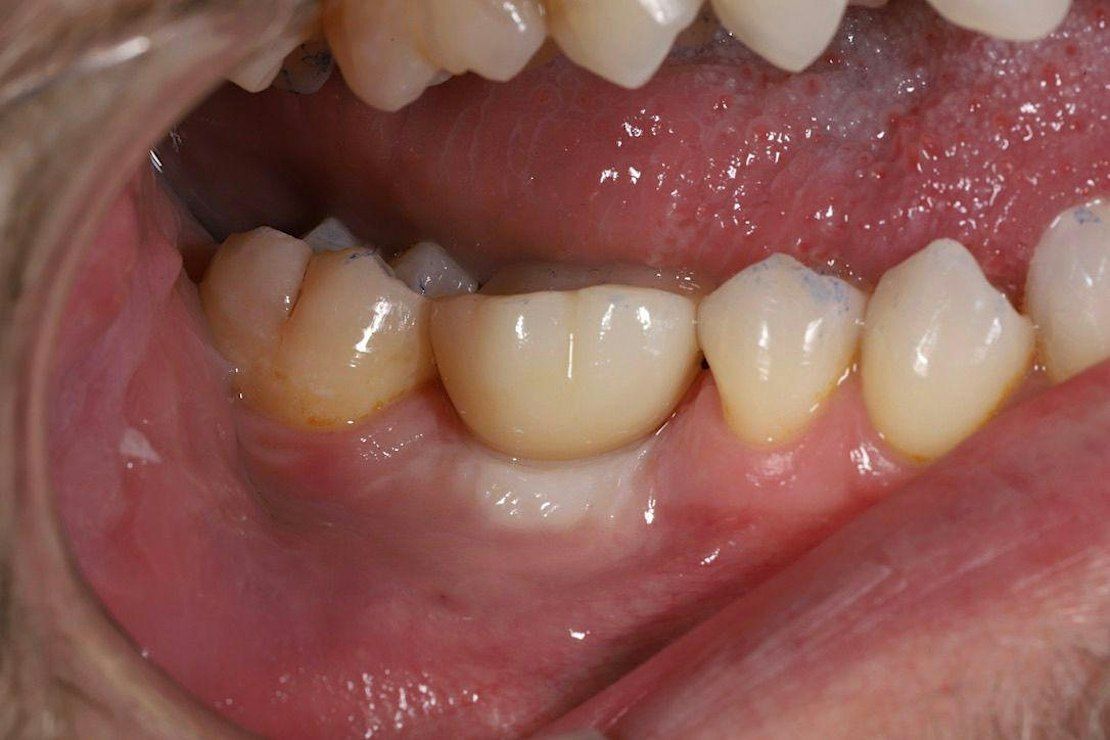
- Develop a suitable peri-implant emergence profile
- Fabricate and use a customised healing abutment
- Complete analogue and digital implant impression workflows
- Select appropriate abutment and restorative designs
- Apply practical occlusal principles to single implant restorations
- Recognise common complications and referral thresholds
- Implement a safe pathway for introducing implant dentistry into practice
YOUR FIRST IMPLANTS SHOULD NOT FEEL LIKE GUESSWORK
The Implant Roadmap 101 provides a clear pathway through the decisions that determine implant success.
You will leave understanding which cases to treat, how to plan them, how to execute the surgical and restorative stages and when to seek additional support.
Rather than attempting to cover every implant procedure, this course focuses on the foundational knowledge and practical skills required to begin treating straightforward single implant cases safely and predictably.
Day 1: THEORY
Day 1
Assessment, Planning and Surgical Foundations
Info: Day one establishes the diagnostic and surgical foundations required before placing an implant.
Welcome and Programme Orientation
Info: Introduction to the Implant Roadmap, learning objectives and the progression from foundational single implant dentistry to more advanced implant treatment.
Introduction to Implant Dentistry
Info: -Components and anatomy of a dental implant
-Implant terminology and restorative components
-Principles of osseointegration
-Indications and limitations of implant treatment
-Biological and mechanical causes of implant complications
Understanding the Restorative Endpoint
Info: -Planning the implant from the final crown backwards
-Restorative space requirements
-Implant positioning relative to the proposed tooth
-Introduction to emergence profile and tissue architecture
-Recognising restoratively compromised implant positions
Patient Assessment and Ideal First Cases
Info: Structured implant consultation
-Medical history and risk assessment
-Smoking, diabetes, medications and healing risk
-Periodontal assessment
- Parafunctional and occlusal risk
- Identifying ideal beginner cases
- Understanding personal limitations and referral thresholds
Implant Timing and Extraction Management
Info: - Consequences of tooth extraction and alveolar bone loss
- Immediate, early and delayed implant placement
- Indications for socket preservation
- Factors influencing the decision to preserve, place or delay
CBCT and Anatomical Assessment
Info: - Systematic CBCT interpretation
- Bone height and width assessment
- Mental nerve, mandibular canal and maxillary sinus considerations
- Buccal and lingual anatomy
- Recognising anatomical and restorative risk
Flap Design and Tissue Handling
Info: - Principles of surgical access
- Crestal, paracrestal and releasing incisions
- Full-thickness flap elevation
- Preserving blood supply
- Tissue handling and wound stability
- Suturing materials and needle selection
Day 1: HANDS-ON
Day 2
Flap Design and Suturing Workshop
Info: - Surgical instrument handling
- Incision design
- Full-thickness flap elevation
- Tissue retraction and protection
- Simple interrupted sutures
- Mattress sutures
- Tension-free wound closure
- Knot placement and suture management
- Performed on anatomical models, then pig heads
Socket Preservation Workshop
Info: - Socket assessment
- Debridement and irrigation
- Particulate graft handling
- Graft containment
- Membrane adaptation
- Soft tissue closure and stabilisation - Performed on anatomical models, then pig heads
Day 2: THEORY
Prosthetically Driven Implant Placement
Info: Day two takes participants through the complete surgical workflow for placing a straightforward implant in a healed posterior site.
Aesthetic and Three-Dimensional Implant Positioning
Info: - Restoratively driven implant planning
- Mesiodistal implant position
- Buccolingual implant position
- Apicocoronal implant position
- Implant spacing and biological considerations
- Crown dimensions and restorative access
- Aesthetic risk assessment
- Planning for tissue support and cleansability
Surgical Preparation
Info: - Surgical armamentarium
- Operatory setup and workflow
- Patient preparation
- Sterile technique and team roles
- Surgical motor and handpiece setup
- Implant kit organisation
- Preoperative planning checklist
Implant Design and Selection
Info: - Implant macrodesign
- Tapered and parallel implant concepts
- Implant diameter and length selection
- Implant connections
- Platform switching
- Selecting an implant for the available site
Osteotomy Preparation
Info: - Understanding the drilling sequence
- Pilot drill position and angulation
- Depth control
- Osteotomy enlargement
- Irrigation and thermal control
- Working with different bone densities
- Underpreparation and overpreparation
- Identifying and correcting positional errors
Primary Stability
Info: - Factors affecting primary stability
- Bone density and implant design
- Insertion torque
- Clinical interpretation of stability
- Healing and loading implications
- When not to proceed with immediate loading
Freehand and Guided Implant Placement
Info: - Freehand placement principles
- Surgical guides and guide design
- Pilot-guided and fully guided workflows
- Benefits and limitations of guided surgery
- Verifying implant position during surgery
Intraoperative Decision Making
Info: - Unexpected bone anatomy
- Inadequate primary stability
- Buccal plate defects
- Incorrect angulation
- Implant depth errors
- When to continue, modify or abandon the procedure
Day 2: HANDS-ON
Implant Placement Workshop
Info: - Reviewing the planned implant position
- Surgical kit setup
- Pilot osteotomy preparation
- Sequential drilling
- Depth and angulation control
- Implant placement in healed posterior sites
- Evaluation of primary stability
- Cover screw and healing abutment placement
- Flap adaptation and suturing - Performed on anatomical models, then pig heads
Freehand and Guided Positioning Exercises
Info: - Entry point
- Angulation
- Depth
- Restorative positioning
- Common sources of positional error - Performed on anatomical models, then pig heads
Day 3: THEORY
From Healing to the Final Restoration
Info: Day three connects the surgical procedure to soft tissue development, restoration, function and long-term maintenance.
Osseointegration and Healing Protocols
Info: - Biological stages of osseointegration
- Submerged and non-submerged healing
- Healing timelines
- Early and conventional loading
- Factors affecting implant integration
- Monitoring the healing implant
Second-Stage Surgery
Info: - Indications for implant uncovering
- Tissue punch versus flap approaches
- Repositioning keratinised tissue
- Healing abutment selection
- Managing limited tissue thickness
- Recognising unhealthy or unstable tissue
Soft Tissue Profile and Emergence
Info: - Peri-implant tissue anatomy
- Tissue thickness and restorative outcomes
- Emergence profile principles
- Critical and subcritical restorative contours
- Supporting papillae and facial tissue
- Designing for aesthetics and cleansability
- Common contour errors and tissue inflammation
Customised Healing Abutments
Info: - Indications for customised healing
- Materials and fabrication options
- Developing the desired tissue profile
- Transferring the tissue shape to the laboratory
- Customised scan bodies and impression techniques
- Avoiding excessive tissue pressure
Implant Impressions and Digital Scanning
Info: - Open-tray and closed-tray impression techniques
- Impression coping selection
- Digital implant scanning
- Scan body positioning
- Capturing the emergence profile
- Verification of implant position
- Laboratory prescriptions and communication
Abutment and Restoration Selection
Info: - Stock and customised abutments
- Screw-retained and cement-retained restorations
- Retrievability
- Cement-related complications
- Screw access position
- Restoration material selection
- Restorative space and tissue depth
Implant Occlusion
Info: - Differences between teeth and implants
- Occlusal risk assessment
- Contact intensity
- Excursive contacts
- Crown height and implant loading
- Cantilevers and offset loading
- Parafunctional patients
- Occlusal adjustment and protective appliances
Immediate Implant Dentistry: An Introduction
Info: - Principles of immediate implant placement
- Socket assessment
- Primary stability requirements
- Facial bone and soft tissue risk
- Jump gap management
- Immediate provisionalisation considerations
- Identifying cases that should be delayed or referred
Complication Management
Info: - Failure to achieve primary stability
- Early implant failure
- Wound dehiscence
- Infection and postoperative pain
- Loose restorative screws
- Fractured components
- Poor emergence profile
- Food impaction
- Peri-implant mucositis
- Recognising peri-implantitis
- Referral and escalation pathways
Maintenance and Review
Info: - Baseline records
- Clinical and radiographic review
- Home care instruction
- Professional maintenance
- Monitoring tissue health and bone levels
- Long-term occlusal review
Introducing Implant Dentistry Into Practice
Info: - Selecting your first cases
- Required equipment and surgical setup
- Building a reliable clinical team
- Laboratory and restorative support
- Mentorship and referral networks
- Documentation and consent
- Creating a personal implementation roadmap
Day 3: HANDS-ON
Second-Stage and Tissue Development Workshop
Info: - Implant uncovering concepts
- Healing abutment selection
- Tissue management around the implant
- Fabrication of a customised healing abutment
- Development of an appropriate emergence profile - Performed on anatomical models, then pig heads
Implant Restorative Workflow
Info: - Implant-level impression techniques
- Scan body placement
- Digital implant scanning workflow
- Capturing and transferring the tissue profile
- Component recognition
- Seating an implant restoration
- Screw tightening and torque sequencing
- Assessment of contacts and occlusion
Final Case Planning Workshop
Info: Participants will work through a series of clinical cases and determine:
- Whether the patient is suitable for treatment
- Whether the case is appropriate for a beginner
- Appropriate implant timing
- Required investigations
- Proposed restorative position
- Surgical approach
- Loading protocol
- Restorative workflow
- Risks, limitations and referral thresholds.
Each participant will leave with a structured checklist for selecting and planning their first straightforward implant cases.
Event venue & nearby stays
The Australasian College of Dental Practitioners, 60 Archer Street, Chatswood, Australia
 Concerts, fests, parties, meetups — all the happenings, one place.