
About this Event
Surgical extractions are a fundamental part of general dental practice, but knowing when to proceed, how to plan the surgery and when to refer can be just as important as the extraction itself.
Mastering Surgical Extractions is a two-day practical programme designed for general dentists who already have basic extraction experience and want to improve their surgical confidence, technique and case selection.
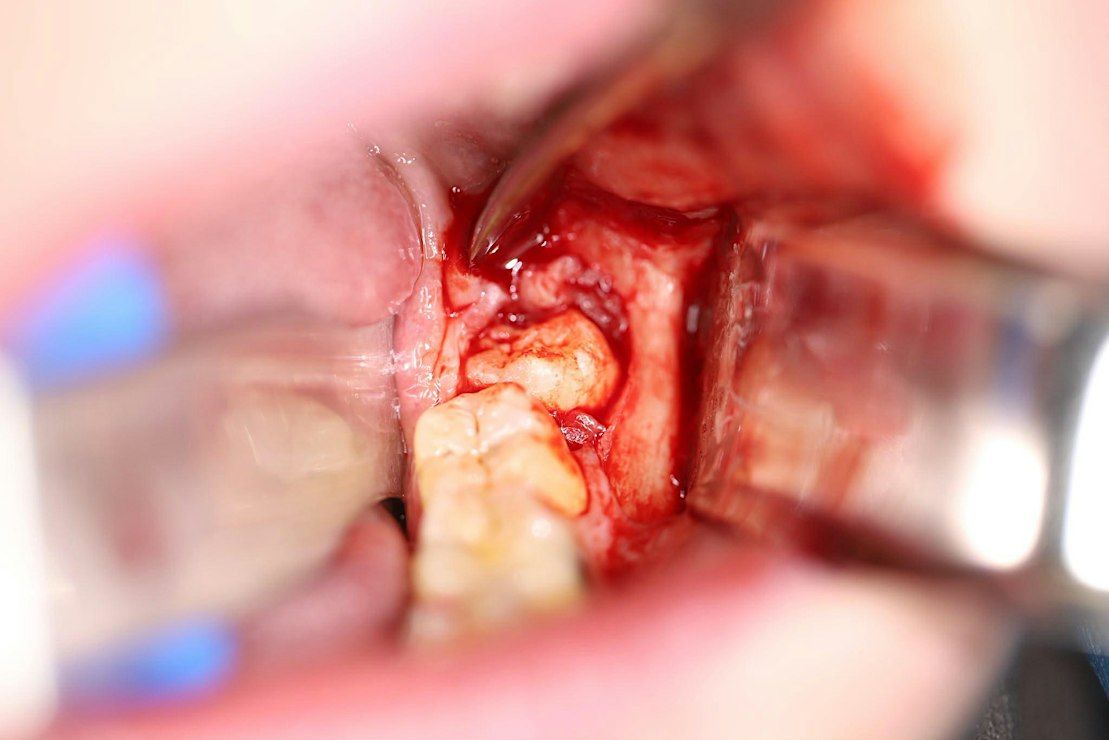
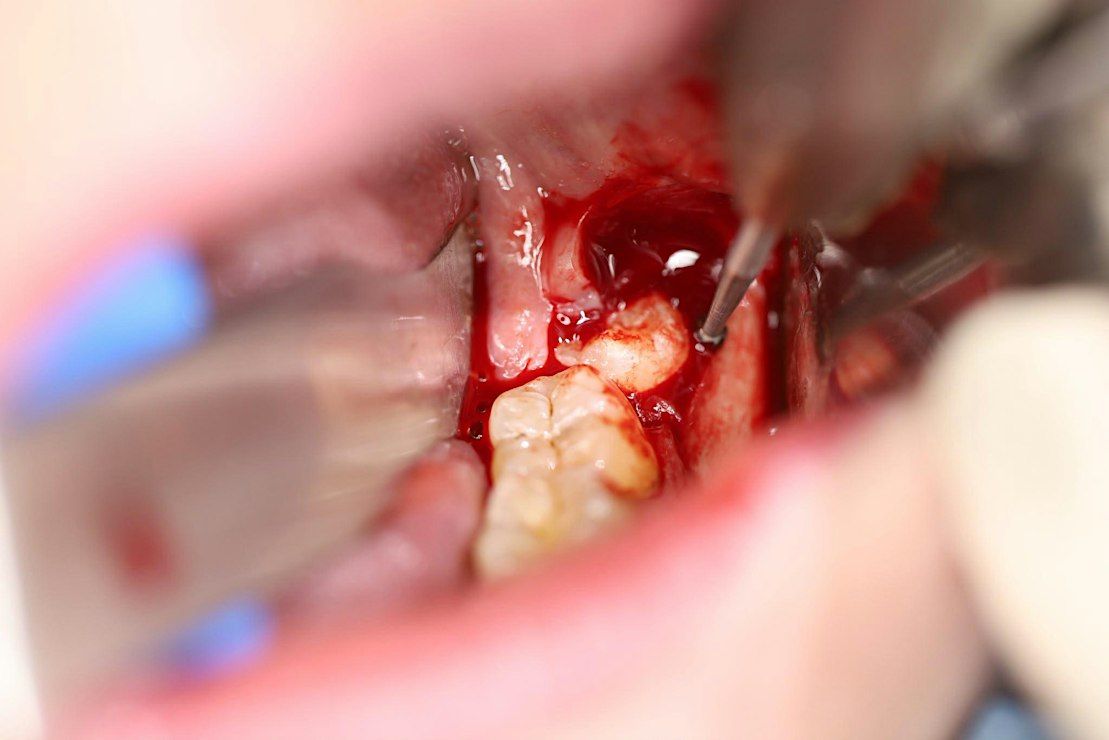
Led by Specialist Oral Surgeon Dr Thao Truong, the course takes clinicians through the complete surgical extraction workflow, from medical and radiographic assessment through flap design, bone removal, tooth sectioning, root retrieval, wound closure and complication management.
Day One builds the foundations of safe surgical extraction.
Day Two progresses into third molar surgery, minimally traumatic extraction techniques, implant-site considerations and management of surgical complications.
The programme combines focused lectures, clinical demonstrations, case-based discussion and extensive hands-on training using surgical models and animal tissue.
The goal is not simply to teach dentists how to remove more difficult teeth. It is to provide a systematic framework for deciding which cases to treat, how to approach them safely and when referral is the better decision.
WHO IS THIS COURSE FOR?
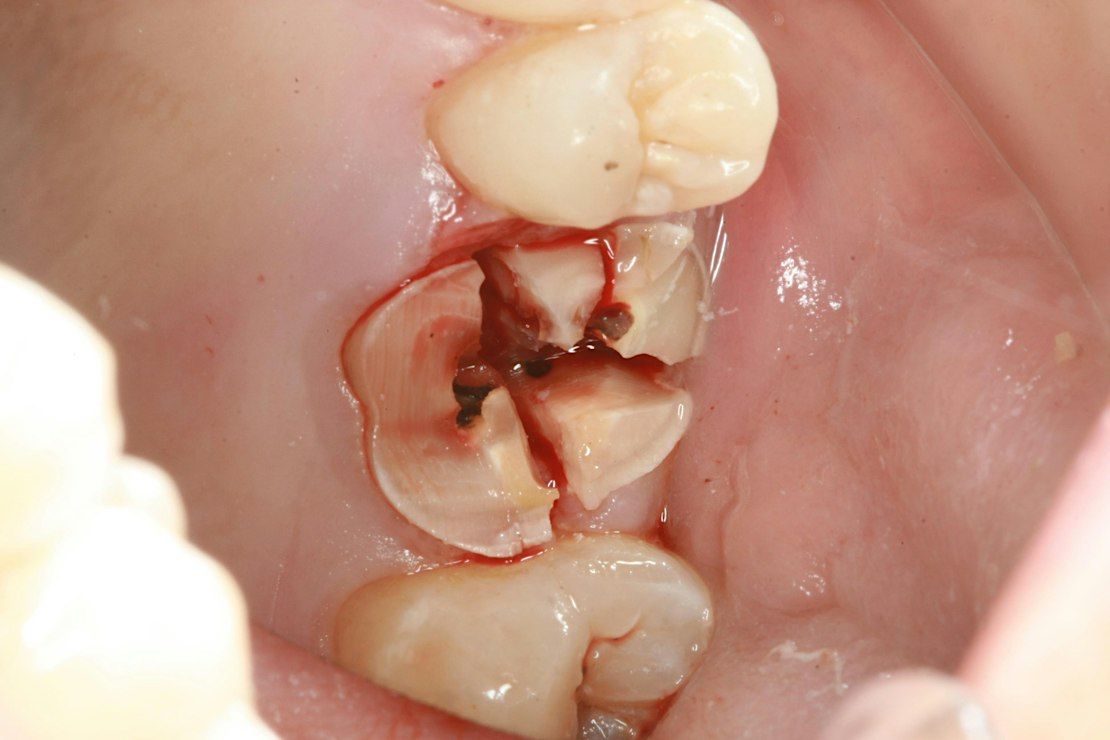
This course is designed for general dentists with basic extraction experience who want to:
- Improve confidence with surgical extractions
- Better assess surgical difficulty before treatment begins
- Improve case selection and referral decisions
- Develop predictable flap design and soft tissue handling
- Use surgical handpieces and burs more effectively
- Improve bone removal and tooth sectioning techniques
- Manage fractured roots more systematically
- Improve suturing and wound closure
- Perform more minimally traumatic extractions where future implant placement is planned
- Better assess and manage wisdom teeth
- Recognise, prevent and manage common surgical complications
LEARNING OUTCOMES
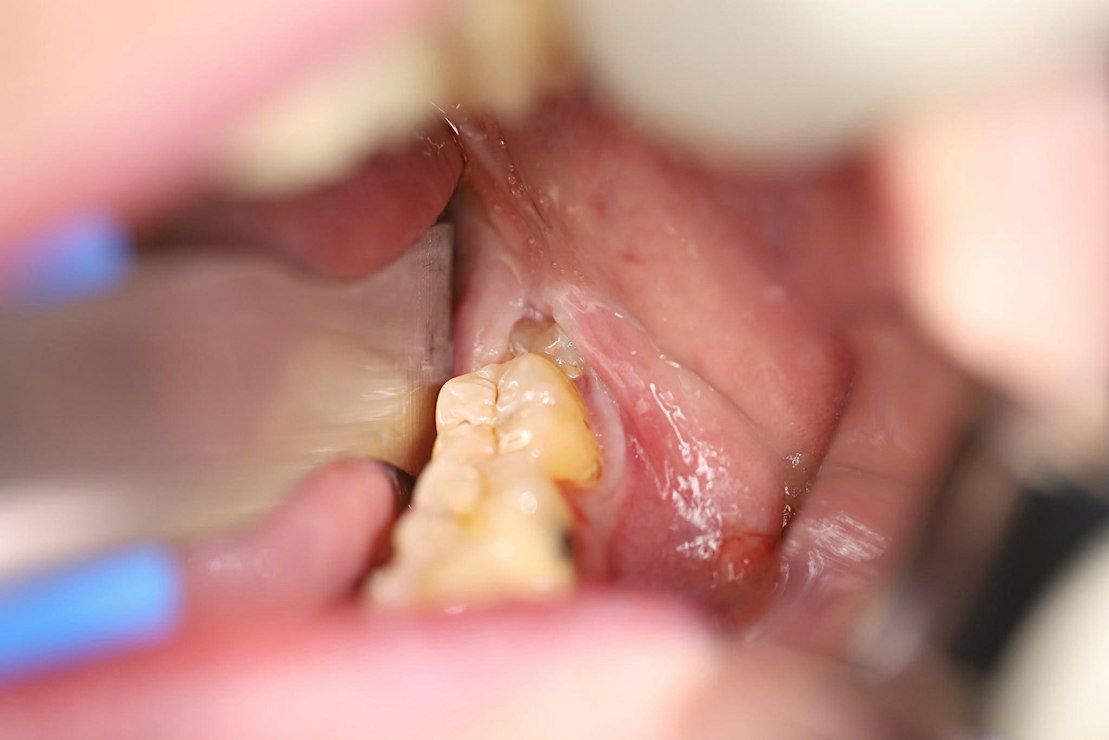
By the end of the two-day programme, participants should be able to:
- Assess surgical difficulty and recognise when referral is appropriate
- Identify relevant anatomical, medical and radiographic risk factors
- Plan and perform common surgical extractions using appropriate flap design, bone removal, tooth sectioning and closure techniques
- Select and use appropriate surgical instrumentation
- Manage fractured and retained roots using a structured approach
- Assess third molars and determine appropriate GP versus specialist management
- Perform minimally traumatic extractions where preservation of the socket and future implant placement are important
- Understand the principles of socket and wound management
- Recognise, prevent and manage common extraction complications
HANDS-ON TRAINING
A substantial component of both days will be dedicated to practical surgical training.
Participants will practise techniques including:
- Surgical incision and flap design
- Mucoperiosteal flap elevation
- Soft tissue retraction
- Bone removal
- Tooth sectioning
- Creation of purchase points
- Root retrieval
- Management of fractured roots
- Surgical handpiece techniques
- Third molar surgical principles
- Minimally traumatic extraction techniques
- Socket inspection and management
- Suturing and wound closure
Practical exercises will utilise a combination of surgical models and sheep heads to simulate real surgical scenarios.
Teeth will be prepared and fractured in selected exercises to allow participants to practise structured root retrieval techniques in a controlled environment.
DAY ONE
Foundations of Surgical Extractions
8:30am – 9:00am
Introduction & Course Overview
Course learning objectives, principles of safe surgical extraction and understanding the limits of surgical treatment within general dental practice.
9:00am – 9:45am
Surgical Anatomy for the General Dentist
Review the anatomical structures most relevant to extraction surgery and understand how anatomy influences surgical planning, technique and risk.
9:45am – 10:45am
Medical Considerations for Surgical Extractions
Develop a systematic approach to medical risk assessment including:
- ASA classification
- Anticoagulants and antiplatelet medications
- Diabetes
- Cardiovascular disease
- Immunosuppression
- Renal and hepatic disease
- Pregnancy
- Smoking
- Allergies
- Antiresorptive and antiangiogenic medications
- MRONJ risk
- Steroid use and adrenal suppression
- Antibiotic prophylaxis considerations
- Recognising patients better managed in a hospital or specialist environment
10:45am – 11:00am
Morning Break
11:00am – 11:45am
Imaging, Risk Assessment & Case Selection
Understand when to use:
- Periapical imaging
- OPG
- CBCT
Learn how to assess root morphology, surrounding bone, surgical access and high-risk anatomy while developing a systematic approach to predicting surgical difficulty.
Most importantly, learn how to decide:
Treat or refer?
11:45am – 12:30pm
Surgical Principles & Instrumentation
Understand surgical setup and appropriate use of:
- Elevators
- Luxators
- Forceps
- Surgical handpieces
- Surgical burs
- Irrigation
- Retractors
- Root picks
Explore principles of controlled force, creating a path of withdrawal and avoiding unnecessary trauma.
12:30pm – 1:15pm
Lunch
1:15pm – 2:15pm
From Simple to Surgical Extraction
Learn when and how to convert from a conventional extraction to a surgical approach.
Topics include:
- Incision design
- Flap design
- Mucoperiosteal flap elevation
- Bone removal
- Creating purchase points
- Tooth sectioning
- Root separation
- Fractured-root retrieval
- Choosing the appropriate surgical handpiece and bur
2:15pm – 2:45pm
Socket & Wound Management
Review:
- Socket inspection
- Debridement
- Irrigation
- Haemostasis
- Flap repositioning
- Suturing
- Post-operative instructions
2:45pm – 3:00pm
Clinical Demonstration
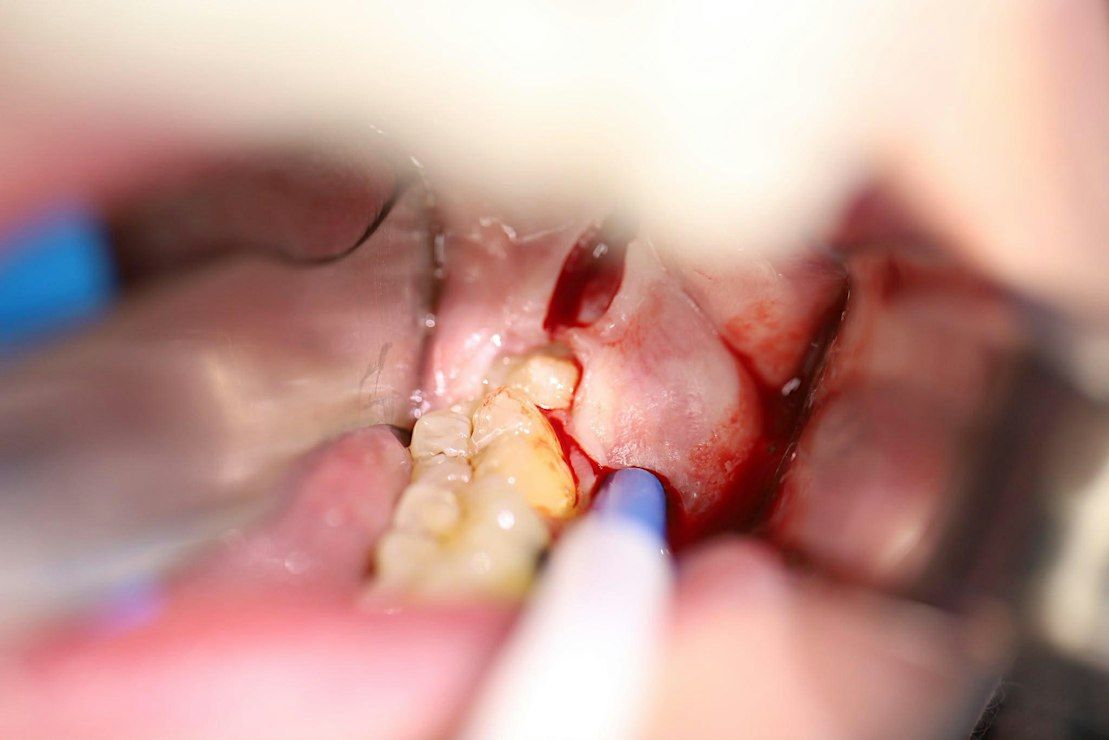
A step-by-step surgical extraction demonstrating the principles covered throughout Day One.
3:00pm – 5:15pm
HANDS-ON: Surgical Extraction Fundamentals
Participants will work through the surgical extraction sequence:
Flap design → flap elevation → bone removal → tooth sectioning → root retrieval → socket management → suturing
Hands-on exercises will incorporate surgical models and animal tissue.
5:15pm – 5:30pm
Case Discussion: Would You Take This Tooth Out?
An interactive series of clinical and radiographic cases integrating:
- Medical status
- Surgical anatomy
- Imaging
- Difficulty assessment
- Surgical planning
- Referral thresholds
DAY TWO
Wisdom Teeth, Minimally Traumatic Extractions & Complications
8:30am – 9:30am
Wisdom Teeth: Assessment & Case Selection
Develop a systematic framework for assessing third molars.
Topics include:
- Indications for removal
- Eruption and impaction patterns
- Predicting surgical difficulty
- Inferior alveolar nerve assessment
- Coronectomy principles
- CBCT indications
- Maxillary sinus considerations
- GP versus specialist management
9:30am – 10:30am
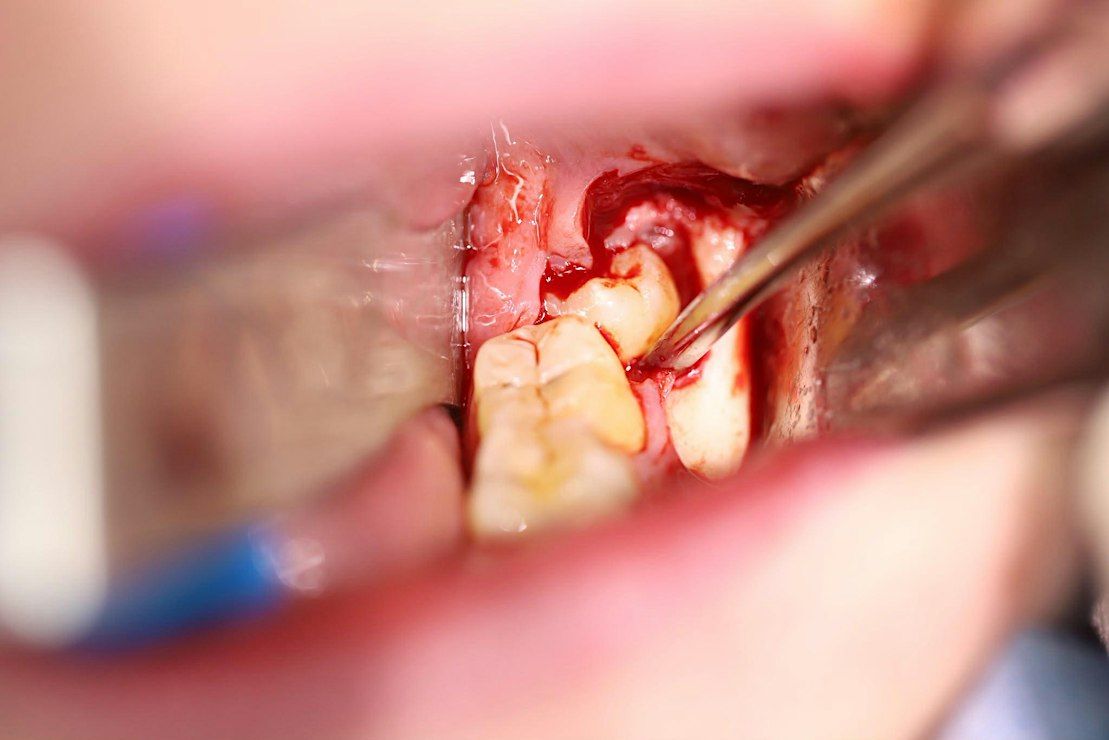
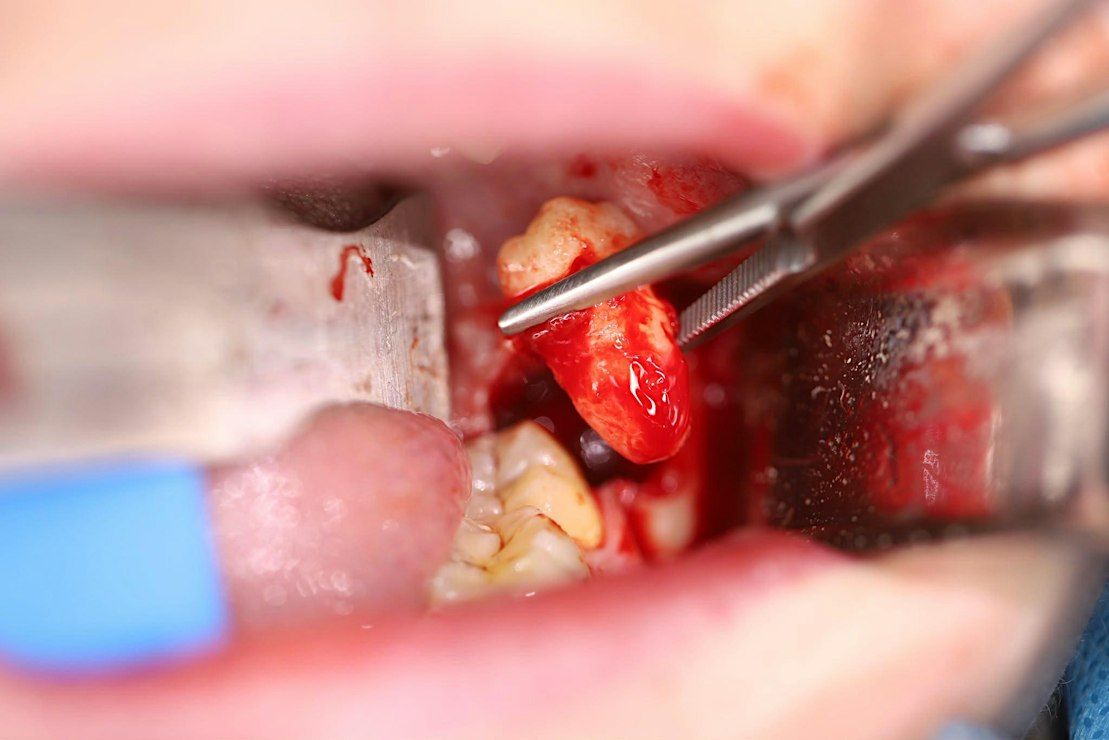
Surgical Removal of Third Molars
Review surgical techniques including:
- Flap design
- Bone removal
- Tooth sectioning strategies
- Mandibular third molars
- Maxillary third molars
- Avoiding excessive surgical force
- Inferior alveolar nerve considerations
- Lingual nerve considerations
10:30am – 10:45am
Morning Break
10:45am – 12:15pm
Ridge Alterations & Minimally Traumatic Extractions
Understand what happens to the alveolar ridge following extraction and how surgical technique may influence future restorative and implant treatment.
Topics include:
- Preservation of the buccal plate
- Soft tissue preservation
- Periotomes and luxators
- Sectioning multi-rooted teeth
- Avoiding unnecessary socket trauma
- Management of ankylosed roots
- Management of fractured roots
- Principles of extraction when future implant placement is planned
12:15pm – 1:00pm
Lunch
1:00pm – 1:45pm
Clinical Demonstration
Wisdom Tooth & Minimally Traumatic Extraction
A practical demonstration highlighting surgical planning, controlled bone removal, tooth sectioning and preservation of surrounding structures.
1:45pm – 3:15pm
HANDS-ON: Advanced Extraction Techniques
Practical training using surgical models and sheep heads.
Exercises will include:
- Surgical bone removal
- Tooth sectioning
- Fractured root retrieval
- Third molar techniques
- Minimally traumatic extraction
- Surgical handpiece utilisation
- Flap management
- Suturing
3:15pm – 4:00pm
Break
4:00pm – 5:00pm
Complications: Prevention & Management
Understand how to recognise, prevent and manage complications including:
- Persistent bleeding
- Root fracture
- Tuberosity fracture
- Oroantral communication
- Root displacement into the sinus or surrounding soft tissues
- Inferior alveolar nerve injury
- Lingual nerve injury
- Dry socket
- Post-operative infection
- Trismus
- Soft tissue injury
- Mandibular fracture
- Aspiration and swallowing of surgical materials
5:00pm – 5:30pm
Key Takeaways & Course Close
Consolidation of the two-day surgical workflow followed by interactive discussion and final Q&A.
Event venue & nearby stays
The Australasian College of Dental Practitioners, 60 Archer Street, Chatswood, Australia
 Concerts, fests, parties, meetups — all the happenings, one place.