

About this Event
Event Details
- Duration: 1-Day Practical Training (8 Hours)
- Timing: 9:00 AM – 5:00 PM (including breaks)
- Location: Location shared via email ( Complete Address )
- City Selection: Select your preferred city. We’ll confirm the nearest available training location after registration. Onsite training is also available on request.
- Format: Classroom Training (Virtual option available on request)
- Language: English
- Certificate: Course Completion Certificate
- PDUs Awarded: 8 Professional Development Units
- Contact: [email protected]
Course Overview
Anger is a natural emotional response, but how we manage and express it can strongly affect our work, relationships, communication, and decision-making.
This practical Anger Management Workshop helps participants understand the causes and triggers of anger and develop practical strategies to respond to challenging situations with greater control.
The workshop focuses on emotional awareness, anger triggers, self-management, assertive communication, conflict resolution, de-escalation, and practical problem-solving.
Participants will learn techniques that can be applied in everyday personal and workplace situations.
Who Should Attend?
This workshop is suitable for:
- Employees and professionals
- Managers and team leaders
- Supervisors and people managers
- HR professionals
- Customer service professionals
- Client-facing employees
- Professionals working in high-pressure environments
- Individuals who want to improve emotional self-control
- Anyone interested in communication and conflict-management skills
- Anyone seeking practical strategies for managing anger more effectively
Learning Objectives
By the end of the workshop, participants will be able to:
- Understand how anger develops and escalates
- Identify personal anger triggers
- Recognize early warning signs of anger
- Understand different anger and communication styles
- Manage emotional reactions more effectively
- Apply practical relaxation and calming techniques
- Replace unhelpful thought patterns with constructive thinking
- Communicate concerns in a clear and respectful manner
- Use assertive communication techniques
- Handle disagreements more constructively
- Apply conflict-resolution strategies
- Manage difficult and emotionally charged conversations
- Use basic de-escalation techniques
- Improve emotional intelligence and self-awareness
- Develop a personal anger-management action plan
Workshop Modules
Module 1: Understanding Anger
- What anger is and why it occurs
- Understanding anger as an emotional response
- The anger response cycle
- Common causes of anger
- Physical signs of anger
- Emotional signs of anger
- Behavioral signs of anger
- The connection between stress and anger
- Healthy and unhealthy expressions of anger
- Consequences of unmanaged anger
- Practical self-reflection activity
Module 2: Identifying Anger Triggers
- Understanding anger triggers
- Internal and external triggers
- Identifying personal hot buttons
- Workplace situations that create frustration
- Dealing with criticism and disagreement
- Understanding perceived unfairness
- Recognizing recurring anger patterns
- Separating facts from assumptions
- Identifying situations that increase emotional pressure
- Developing personal trigger awareness
- Practical trigger-identification exercise
Module 3: Understanding Anger Styles
- Understanding aggressive behavior
- Understanding passive behavior
- Recognizing passive-aggressive behavior
- Understanding defensive reactions
- Understanding assertive behavior
- Comparing aggression and assertiveness
- How anger styles affect relationships
- Recognizing your communication patterns
- Choosing constructive responses
- Improving interpersonal communication
- Practical communication exercise
Module 4: Recognizing and Controlling Escalation
- Recognizing early warning signs
- Understanding emotional escalation
- Monitoring changes in breathing and body language
- Recognizing changes in voice and tone
- Identifying emotional thinking patterns
- Creating space before responding
- Using the pause-and-respond technique
- Managing impulsive reactions
- Knowing when to step away
- Developing greater emotional awareness
- Practical self-management exercise
Module 5: Practical Anger Control Techniques
- Controlled breathing techniques
- Relaxation techniques
- Grounding strategies
- Managing physical tension
- Using a mental pause
- Redirecting attention
- Developing calming routines
- Using constructive coping statements
- Managing immediate emotional reactions
- Reducing impulsive responses
- Practicing practical anger-control techniques
Module 6: Managing Thoughts and Emotional Reactions
- Understanding the connection between thoughts and emotions
- Identifying unhelpful thinking patterns
- Challenging assumptions
- Avoiding exaggerated thinking
- Avoiding “always” and “never” thinking
- Separating facts from interpretations
- Reframing difficult situations
- Using positive and constructive self-talk
- Developing a balanced perspective
- Responding instead of reacting
- Practical cognitive-reframing exercise
Module 7: Assertive Communication
- Understanding assertive communication
- Communicating concerns clearly
- Expressing emotions respectfully
- Using “I” statements
- Managing tone and body language
- Improving active listening
- Setting appropriate boundaries
- Handling criticism without becoming defensive
- Communicating needs without blaming others
- Managing difficult conversations
- Turning confrontation into constructive communication
- Practical role-play exercise
Module 8: Conflict Management and Problem Solving
- Understanding the relationship between anger and conflict
- Identifying the real issue
- Separating the person from the problem
- Managing constructive disagreement
- Understanding different perspectives
- Finding common ground
- Building agreement
- Generating possible solutions
- Applying negotiation techniques
- Understanding when compromise is appropriate
- Using structured problem-solving
- Practical conflict-resolution exercise
Module 9: Dealing With Angry and Difficult People
- Understanding why people become angry
- Recognizing signs of emotional escalation
- Maintaining personal composure
- Using active listening
- Showing empathy during difficult interactions
- Communicating without increasing tension
- Using de-escalation techniques
- Avoiding common escalation mistakes
- Setting appropriate boundaries
- Knowing when to pause a conversation
- Knowing when to step away from a situation
- Handling challenging interactions professionally
- Practical de-escalation scenarios
Module 10: Anger Management in the Workplace
- Managing workplace frustration
- Handling pressure and competing priorities
- Managing disagreements with coworkers
- Dealing with challenging colleagues
- Responding to difficult customers and clients
- Managing criticism in the workplace
- Avoiding emotional responses in emails and messages
- Maintaining professionalism during conflict
- Managing workplace stress
- Protecting productive working relationships
- Building positive workplace communication habits
- Practical workplace case studies
Module 11: Building Long-Term Emotional Control
- Understanding emotional intelligence
- Improving self-awareness
- Developing emotional regulation skills
- Recognizing recurring behavioral patterns
- Reflecting on difficult situations
- Replacing unhelpful habits
- Developing healthier communication habits
- Building resilience under pressure
- Improving self-management
- Setting realistic personal goals
- Identifying appropriate sources of support
- Developing a personal improvement strategy
Module 12: Personal Anger Management Action Plan
- Reviewing key anger-management strategies
- Identifying your most common triggers
- Recognizing your personal warning signs
- Selecting techniques that work for you
- Creating an individual anger-management plan
- Setting realistic behavior goals
- Planning responses to future challenging situations
- Identifying accountability strategies
- Tracking personal progress
- Creating a 30-day improvement plan
- Developing personal action commitments
🎓 Certification
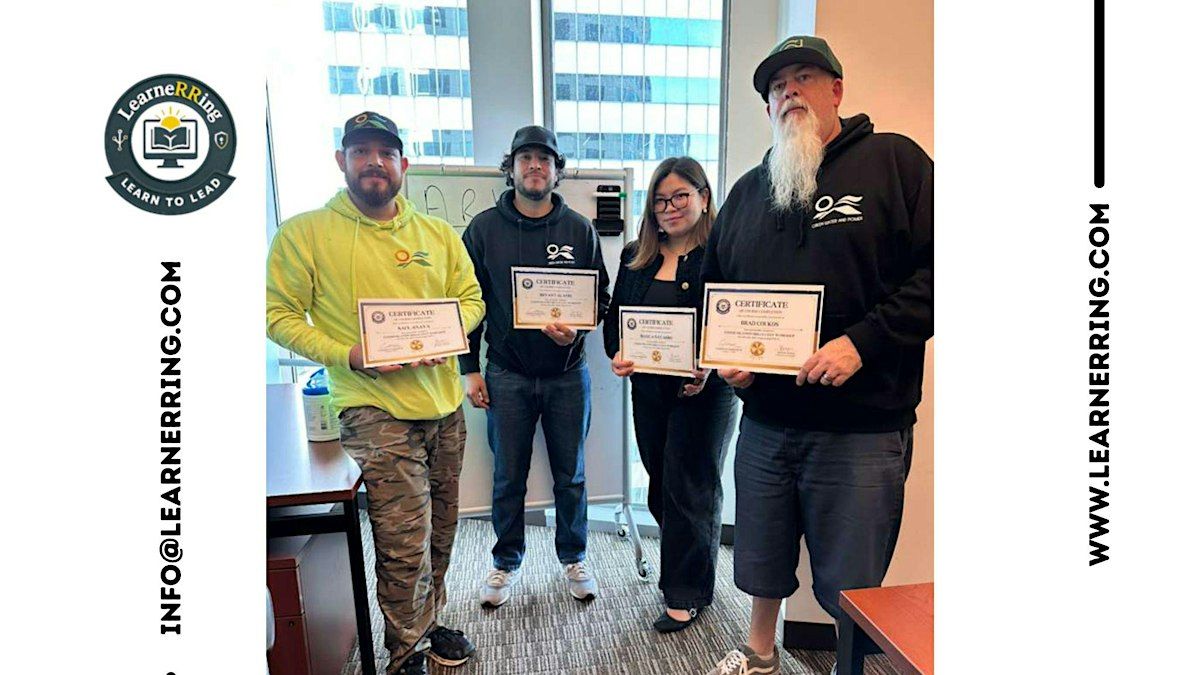
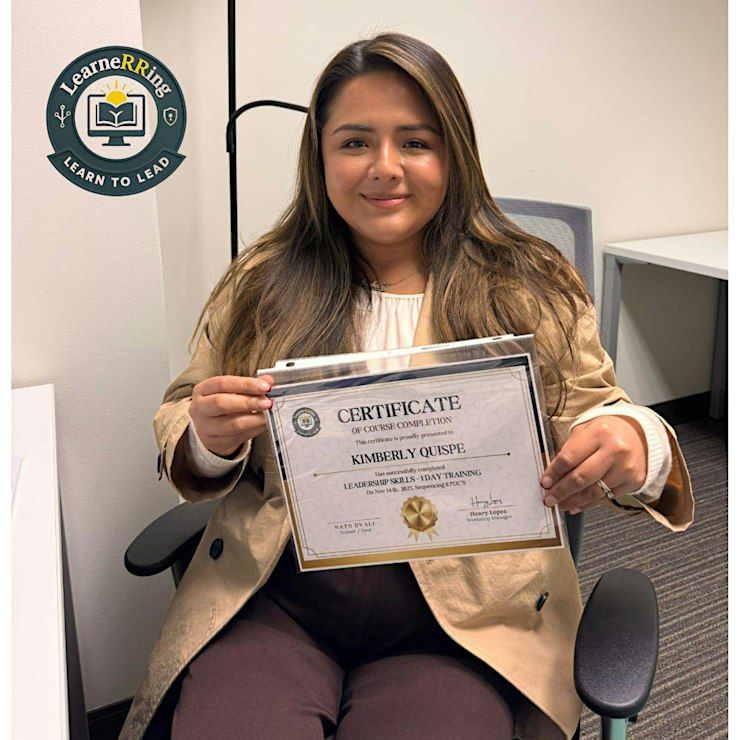
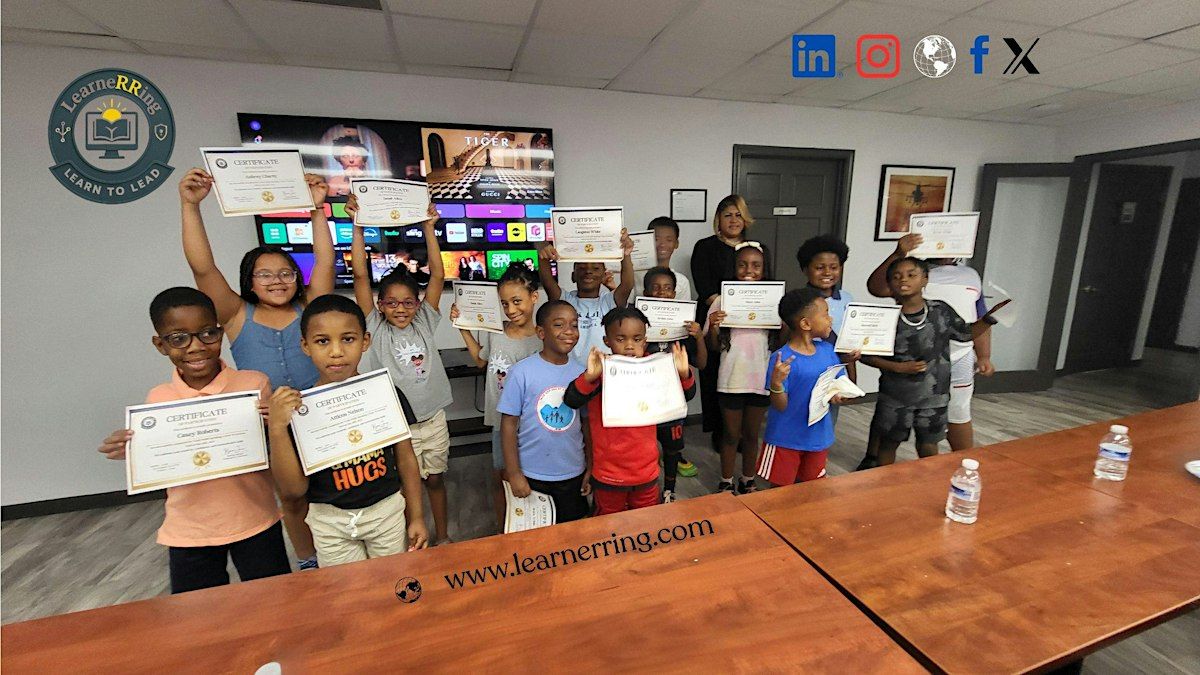
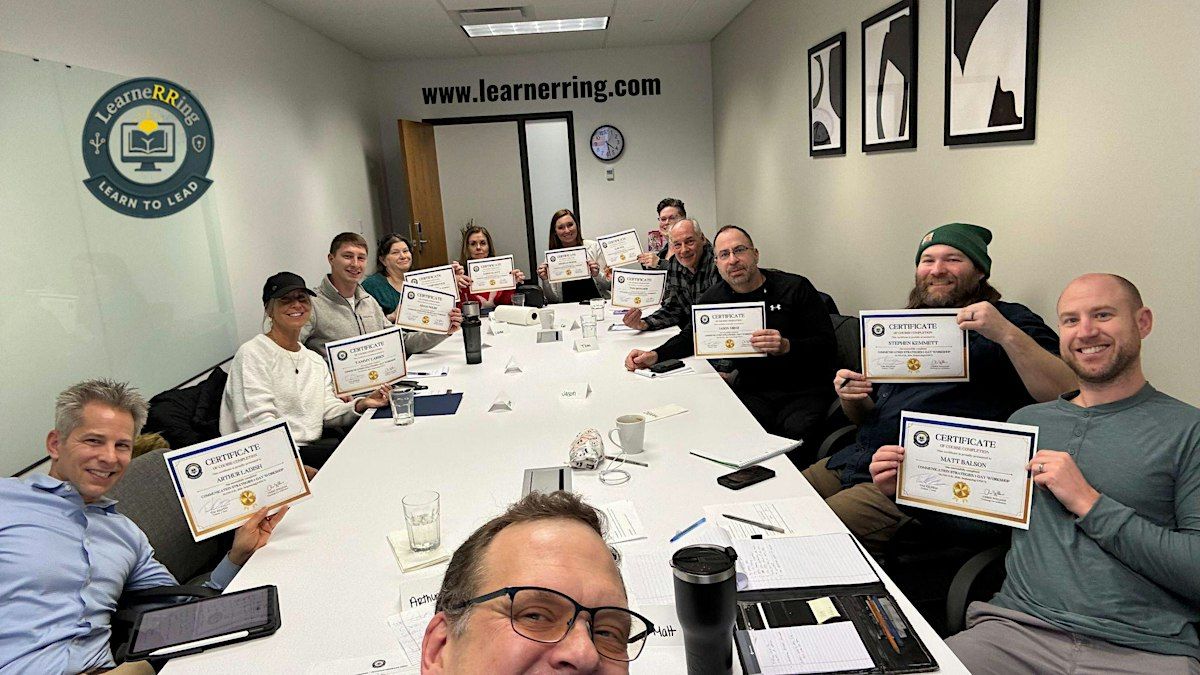
All participants will receive a Certificate of Completion from LearneRRing, recognizing their achievement.
Exclusive OffersGroup Discounts:10% off for groups of 5-10 participants15% off for groups of 11-20 participants
Corporate & Team Training Available
Want this course delivered at your workplace or for your team? We offer customized onsite and virtual sessions for companies.📩 Email us at [email protected] for details.
Event venue & nearby stays
For venue details reach us at [email protected], PH: +1505 369 2908, New York, United States
 Concerts, fests, parties, meetups — all the happenings, one place.