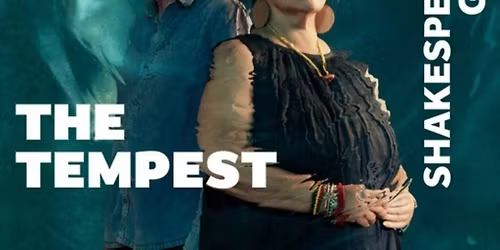
Much Black British writing shows how resistance becomes heritage, with Brixton as resilient touchstone. Newer writing expands the tradition.
About this Event
An innovating commercial area in the late 19th century, Brixton after World War II became a hub for arrivals of the Windrush generation. Many were initially housed in the Clapham South Deep Shelter and interviewed for jobs on Coldharbour Lane. Railton Road became an activist thoroughfare called the Front Line. Activists like Olive Morris made squatting an act of liberation, living near the collective who produced Race Today - Darcus Howe and Linton Kwesi Johnson among others, supported by CLR James.
The uprising of 1981 is reflected in the cityscape, and a monument in Windrush Square honours Cherry Groce, victim of police shooting in 1985. A statue of international activist Claudia Jones stands outside the Black Cultural Archives, and Commonwealth soldiers are celebrated in a war memorial designed by Jak Beula, originator of Nubian Jak blue plaques.
Attempts to make a 'cultural quarter' compete with the old roughness - It couldn't be more interesting than it is right now. The murals and street art alone are worth the walk. And the food! More options than ever.
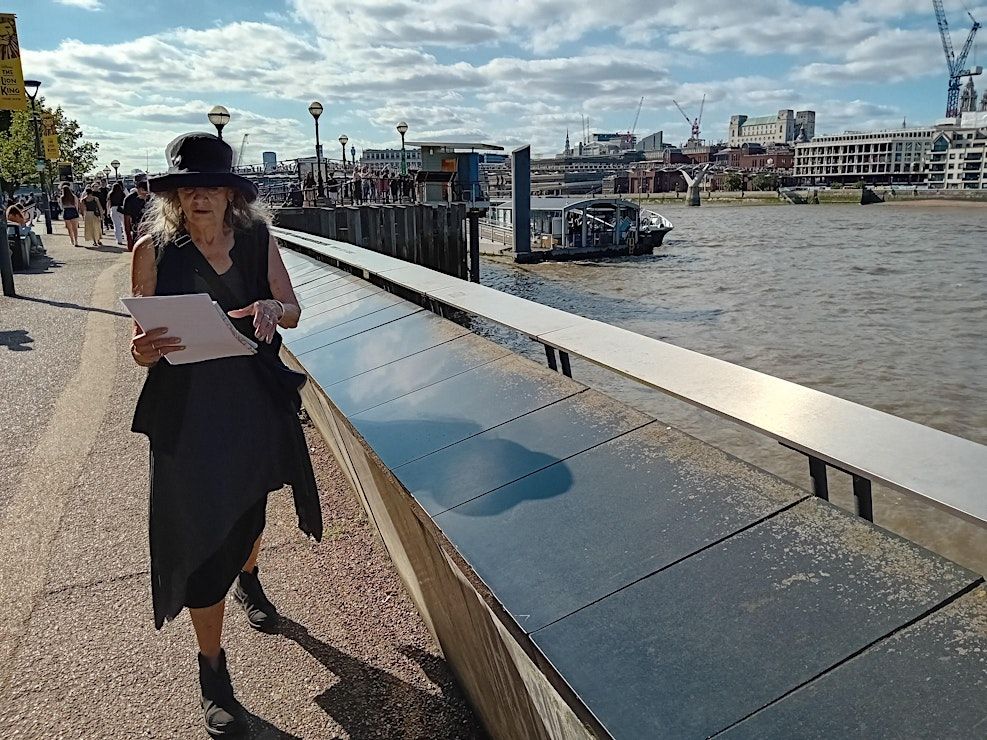
Part of a festival of Literary Walks, this walk punctuates history with short readings from a range of writers including CLR James, Alex Wheatle, Louise Hare, Linton Kwesi Johnson, Bernardine Evaristo, Jacqueline Crooks, Benjamin Zephaniah, Shani Akilah, Sam Selvon and Claudia Jones.
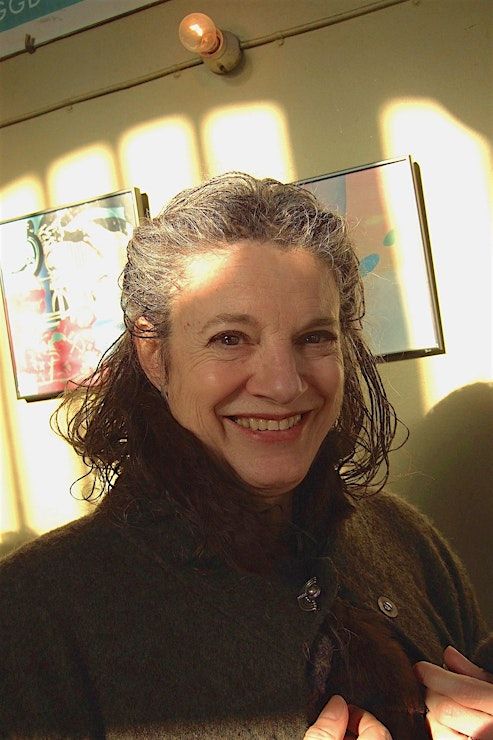
is Laura's longtime blog, now dedicated to historical walks that highlight issues of Gender, Sex and Class.
Event Venue
Brixton Tube Station, Brixton Road, London, United Kingdom
GBP 12.50 to GBP 17.50