

About this Event
Whilst on holiday, I met a businessman who told me he hoped artificial intelligence would stop his workers thinking too much. He preferred to do the thinking himself. His candour reminded me of Kant’s remark that we are quite willing to pay someone else to think for us.
Psychoanalysis has never simply asked people to be more rational, though. In analysis, we loosen our hold on what we mean to say, so that something unexpected can be heard. This takes time, and it often brings anxiety with it.
People now ask chatbots to interpret their dreams, or to keep them company when their analyst is away. A conversation with a chatbot might give someone another place to speak. But an interpretation may arrive before the person has had time to make their own associations. Could a chatbot become a kind of teddy bear, as Winnicott might have suggested? And where is Lacan’s Big Other in systems that seem to know what we want and shape what we see?
Then there’s rudeness. An insult can give us a brief sense of strength when we feel exposed, and online platforms are quick to reward it. Why does the chance to insult someone else become so attractive when we ourselves feel anxious?
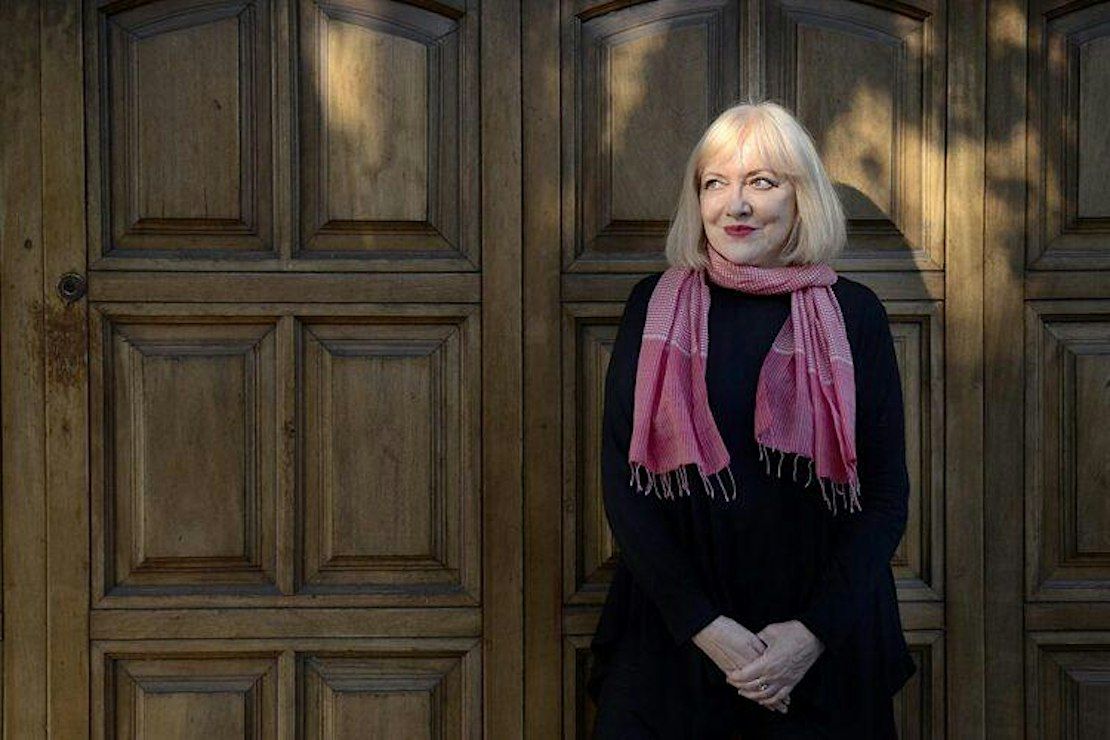
- Renata Salecl
Renata Salecl is a Slovenian philosopher and sociologist. She is a Senior Researcher at the Institute of Criminology at the Faculty of Law in Ljubljana, Slovenia and a Professor at the School of Law at Birkbeck College, London, United Kingdom. Renata Salecl has held numerous Visiting Professorships at Cardozo School of Law, New York, Humboldt University, Berlin and Duke University, Durham, among other institutions. Her work is very interdisciplinary and focuses on bringing together law, criminology, the study of political ideologies, and psychoanalysis.
Event venue & nearby stays
Pulsion Institute, 321 West 44th Street, New York, United States
 Concerts, fests, parties, meetups — all the happenings, one place.