

About this Event
Planting Design: Creating Plant Communities That Thrive
with Marion McNew, FAPLD, CPLD
Owner, Mount Hood Gardens, Inc.
How can we create beautiful planting designs that are also resilient, resource-conscious and easier to maintain?
Join APLD Oregon for a presentation with landscape designer and horticulturist Marion McNew, FAPLD, CPLD, exploring the plant community principle — an approach to planting design that begins with the ecological preferences and natural habitats of plants.
About the Program
For much of its history in the U.S., planting design has been driven primarily by aesthetic considerations. The plant community approach asks us to begin with a different question: What conditions does each plant need to thrive, and which plants naturally grow well together?
By considering soil, moisture, aspect, growth patterns and the ecological character of plants, designers can create dynamic plant communities that are beautiful, resilient and lower-maintenance.
Marion will introduce the principles behind this approach and explore how they can inform contemporary landscape design.
Topics will include:
- Designing according to plants’ ecological and habitat preferences
- Combining plants into compatible, relatively stable communities
- Creating layered plantings with repetition and a living ground-cover layer
- Keeping soil covered to retain moisture, support the soil food web and suppress weeds
- Reducing reliance on resources such as supplemental water
- Creating a naturalistic sense of place through thoughtful plant selection
The approach is particularly well suited to naturalistic and woodland gardens, woodland edges, rock gardens and wetland plantings, but its underlying principles can inform planting design across a wide range of landscapes.
From German Planting Traditions to Contemporary Design
The plant community principle has deep roots in German horticulture. Richard Hansen and Friedrich Stahl's influential Perennials and Their Garden Habitats, published in 1981, helped establish an ecological framework for understanding and designing with perennial plants. Hansen studied under renowned plantsman Karl Foerster, a major influence on Germany's habitat-based planting tradition.
These ideas would go on to influence a broader movement toward naturalistic planting design. Designers including Piet Oudolf helped bring the “New European Garden” to international prominence, while Oehme, van Sweden & Associates pioneered the “New American Garden” with bold compositions of perennials, shrubs and ornamental grasses.
Today, these ideas feel more relevant than ever as designers seek landscapes that combine beauty, biodiversity, resilience and responsible use of resources.
About Marion McNew
Marion McNew, FAPLD, CPLD, is the owner of landscape design/build company Mount Hood Gardens, Inc. in Hood River, Oregon.
Marion holds a Master's degree in Horticulture from the University of Hannover, Germany, where she was first introduced to the plant community principle while studying horticulture.
APLD Oregon members may remember Marion from her February presentation, The Art of Garden Making. We are delighted to welcome her back for a deeper exploration of the horticultural and ecological principles that shape successful planting design.
Who Should Attend?
This program is designed for landscape designers, landscape architects, horticulturists, garden designers, landscape contractors, nursery professionals and other landscape-industry professionals, as well as anyone interested in ecologically informed planting design.
APLD members and nonmembers are welcome. APLD members free, non-members $25.
CEU and CEH eligible.
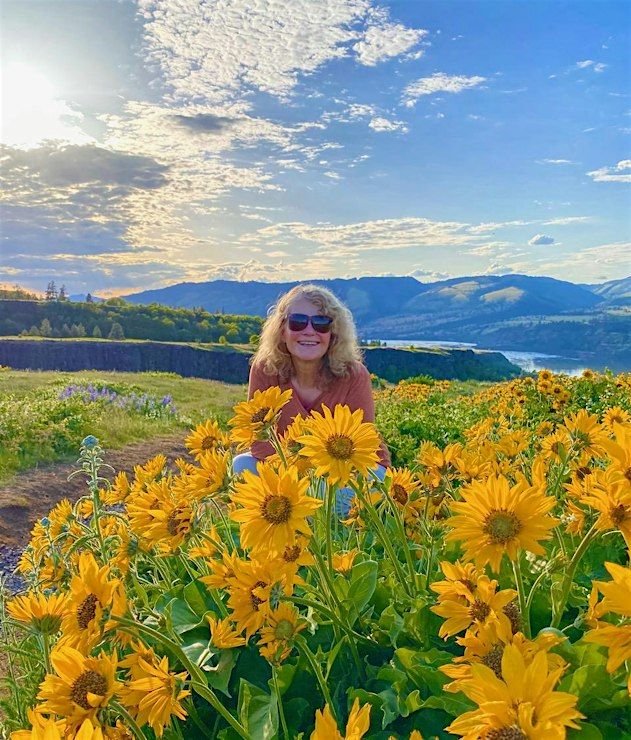
Marion McNew
Marion McNew, FAPLD, CPLD, holds a Masters Degree in Horticulture from the University of Hanover, Germany and was first introduced to the plant community principle while still in college. This February she gave a talk to our APLD Oregon community about the Art of Garden Making.
Event venue & nearby stays
Mt Scott Community Center & Indoor Pool, 5530 Southeast 72nd Avenue, Portland, United States
 Concerts, fests, parties, meetups — all the happenings, one place.