

About this Event
Event Details
- Duration: 1-Day Practical Training (8 Hours)
- Timing: 9:00 AM – 5:00 PM (including breaks)
- Location: Location shared via email ( Complete Address )
- City Selection: Select your preferred city. We’ll confirm the nearest available training location after registration. Onsite training is also available on request.
- Format: Classroom Training (Virtual option available on request)
- Language: English
- Certificate: Course Completion Certificate
- PDUs Awarded: 8 Professional Development Units
- Contact: [email protected]
Event Description
Strong organizational skills help professionals manage responsibilities, stay focused, meet deadlines, and work with greater confidence.
In a busy workplace, disorganization can lead to missed deadlines, duplicated work, unnecessary stress, lost information, and time spent searching for documents, messages, or resources.
This practical Organizational Skills Workshop provides participants with effective methods for organizing tasks, managing priorities, planning schedules, controlling distractions, managing information, and creating productive work habits.
Participants will learn how to distinguish between urgent and important work, break larger responsibilities into manageable actions, build effective daily and weekly planning routines, organize physical and digital information, manage email more efficiently, and reduce procrastination.
The workshop focuses on practical workplace application rather than theory. Participants will work through realistic situations and develop an organization system that can be adapted to their individual role and working style.
What You Will Learn
- Understand the principles of effective workplace organization.
- Identify habits and behaviors that contribute to disorganization.
- Organize tasks, responsibilities, documents, and information more efficiently.
- Prioritize work according to importance, urgency, and impact.
- Use practical methods to manage competing priorities.
- Break complex projects into manageable tasks.
- Create realistic daily, weekly, and monthly plans.
- Set deadlines and establish clear action steps.
- Reduce interruptions, distractions, and common workplace time wasters.
- Build effective to-do lists and task-management routines.
- Improve focus and follow-through.
- Overcome procrastination and task avoidance.
- Develop practical systems for organizing files and documents.
- Manage digital information and email more efficiently.
- Create an organized and productive workspace.
- Build consistent organizational habits.
- Plan ahead to reduce last-minute pressure.
- Develop a sustainable personal organization system.
Workshop Modules
Module 1: Foundations of Effective Organization
- Understanding what organizational skills involve.
- The relationship between organization and productivity.
- How disorganization affects time, performance, and stress.
- Identifying personal organization challenges.
- Understanding different working and organizational styles.
- Establishing clear personal and professional priorities.
- Setting practical goals for improved organization.
Module 2: Decluttering and Creating Order
- Identifying unnecessary physical and digital clutter.
- Deciding what to keep, archive, delegate, or remove.
- Creating a simple organization system.
- Giving important items a designated location.
- Reducing duplicate documents and information.
- Organizing workspace materials.
- Maintaining order after the initial cleanup.
- Creating practical decluttering habits.
Module 3: Prioritizing Work Effectively
- Understanding the difference between urgent and important tasks.
- Using priority levels to organize workloads.
- Applying the Urgent–Important Matrix.
- Identifying high-impact activities.
- Breaking large responsibilities into smaller tasks.
- Understanding the 80/20 principle.
- Managing competing priorities.
- Deciding what should be completed, delegated, postponed, or removed.
Module 4: Planning and Scheduling Your Time
- Creating a master calendar.
- Planning daily, weekly, and monthly activities.
- Setting realistic deadlines.
- Allocating time according to priorities.
- Building buffer time into schedules.
- Managing unexpected interruptions.
- Controlling common workplace time wasters.
- Handling tasks and situations outside your direct control.
- Creating a realistic schedule you can maintain.
Module 5: Building Effective To-Do Lists
- Creating useful task lists.
- Converting goals into specific actions.
- Choosing daily priority tasks.
- Separating important work from minor activities.
- Using time estimates for better planning.
- Completing tasks before starting unnecessary new work.
- Handling quick tasks efficiently.
- Reviewing and updating task lists.
- Avoiding overloaded to-do lists.
Module 6: Managing Documents, Files, and Information
- Creating a consistent filing structure.
- Organizing physical documents.
- Managing digital files and folders.
- Creating logical naming conventions.
- Separating active, archived, and reference information.
- Managing document versions.
- Setting appropriate retention and archive practices.
- Making information easier to find.
- Building a system that can be maintained over time.
Module 7: Creating an Organized Workspace
- Designing a workspace around your workflow.
- Keeping frequently used items accessible.
- Removing unnecessary items from your immediate workspace.
- Organizing drawers, cabinets, and storage areas.
- Keeping current projects visible and manageable.
- Separating active work from completed work.
- Arranging tools and resources for efficiency.
- Maintaining an organized workspace throughout the day.
Module 8: Overcoming Procrastination and Improving Focus
- Understanding why people procrastinate.
- Identifying personal procrastination patterns.
- Breaking large tasks into smaller actions.
- Starting difficult tasks with a clear first step.
- Using focused work periods.
- Reducing digital and environmental distractions.
- Managing interruptions.
- Creating motivation and accountability strategies.
- Using small rewards to reinforce progress.
- Building consistent follow-through habits.
Module 9: Organizing Your Email and Digital Inbox
- Creating an effective email organization system.
- Developing useful folders and categories.
- Managing incoming messages efficiently.
- Identifying messages that require immediate attention.
- Using flags, labels, and priority markers.
- Creating appropriate email rules and filters.
- Reducing unnecessary inbox clutter.
- Handling messages that require action.
- Avoiding excessive inbox checking.
- Developing a sustainable email-management routine.
Module 10: Eliminating Disorganization Habits
- Recognizing common causes of disorganization.
- Keeping unnecessary information and materials.
- Inconsistent filing and task-management habits.
- Failing to maintain schedules.
- Delaying important tasks.
- Overcommitting and accepting too many responsibilities.
- Allowing distractions to control the workday.
- Creating systems without consistently using them.
- Replacing ineffective habits with practical routines.
Module 11: Building Discipline and Sustainable Organization
- Turning organizational methods into daily habits.
- Following established systems consistently.
- Creating realistic routines.
- Learning when and how to say no.
- Managing commitments effectively.
- Planning tomorrow before finishing today.
- Conducting regular reviews of priorities.
- Adjusting systems when circumstances change.
- Maintaining organization during busy periods.
- Building long-term personal productivity habits.
Module 12: Creating Your Personal Organization System
- Reviewing the organizational strategies covered in the workshop.
- Identifying your biggest productivity challenges.
- Selecting the tools and techniques most relevant to your role.
- Creating a personalized task-management system.
- Designing a daily planning routine.
- Establishing weekly review habits.
- Creating a personal file and information-management system.
- Identifying strategies for controlling distractions.
- Setting measurable organization goals.
- Developing a 30-day organizational improvement plan.
Who Should Attend?
This workshop is suitable for:
- Employees and business professionals.
- Managers and supervisors.
- Team leaders.
- Administrative and support professionals.
- Project coordinators.
- Office and operations professionals.
- HR professionals.
- Sales and customer service professionals.
- Professionals managing multiple responsibilities.
- Individuals who struggle with workload organization.
- Professionals looking to improve productivity and time management.
- Anyone who wants to develop stronger workplace organizational skills.
🎓 Certification
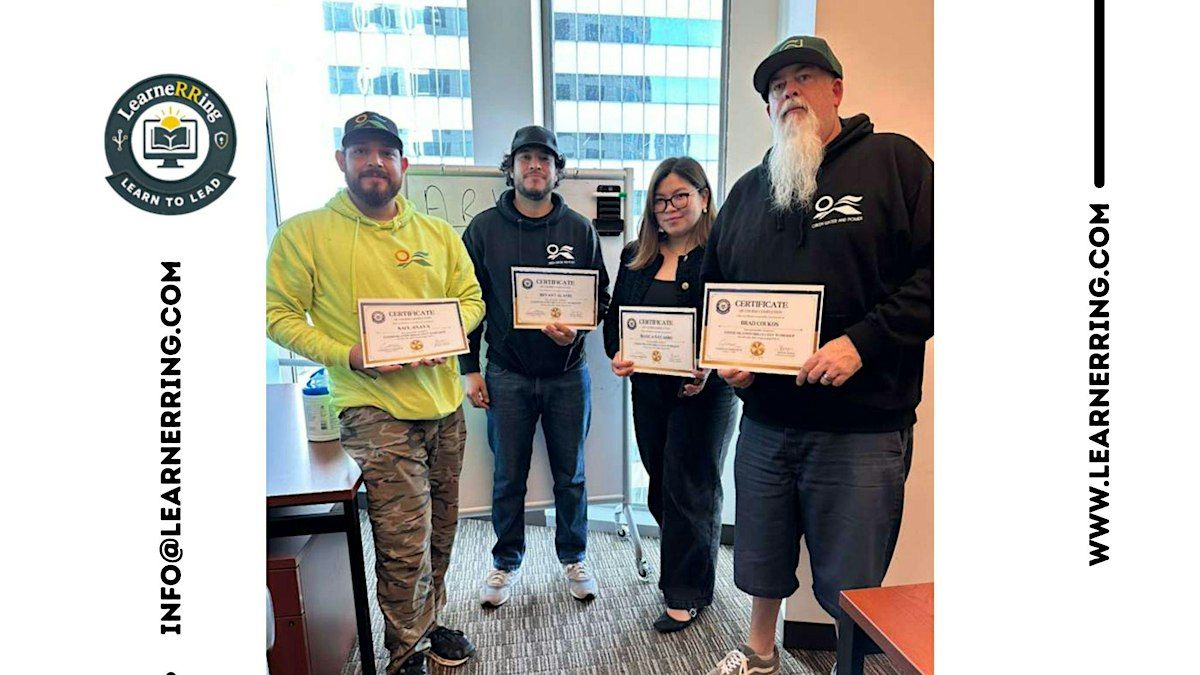
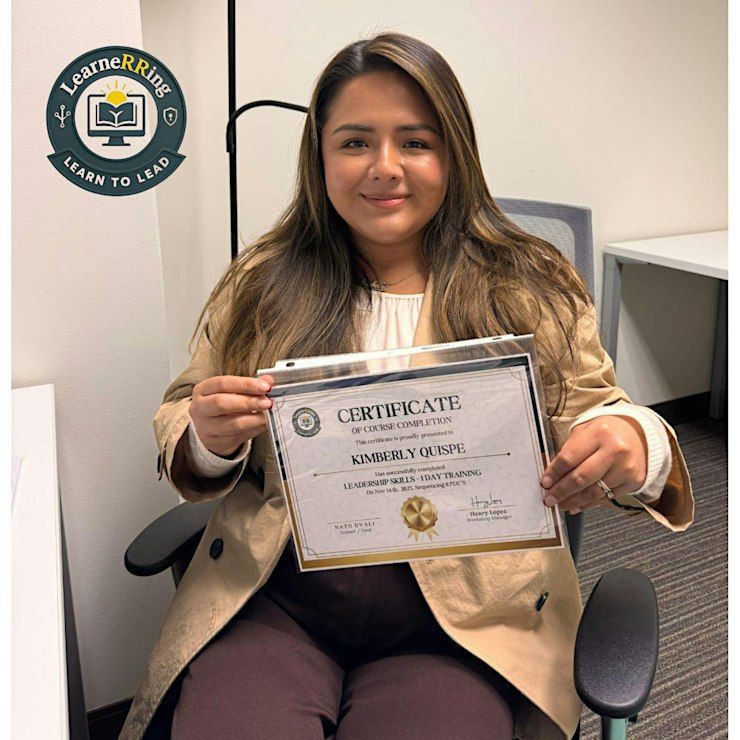
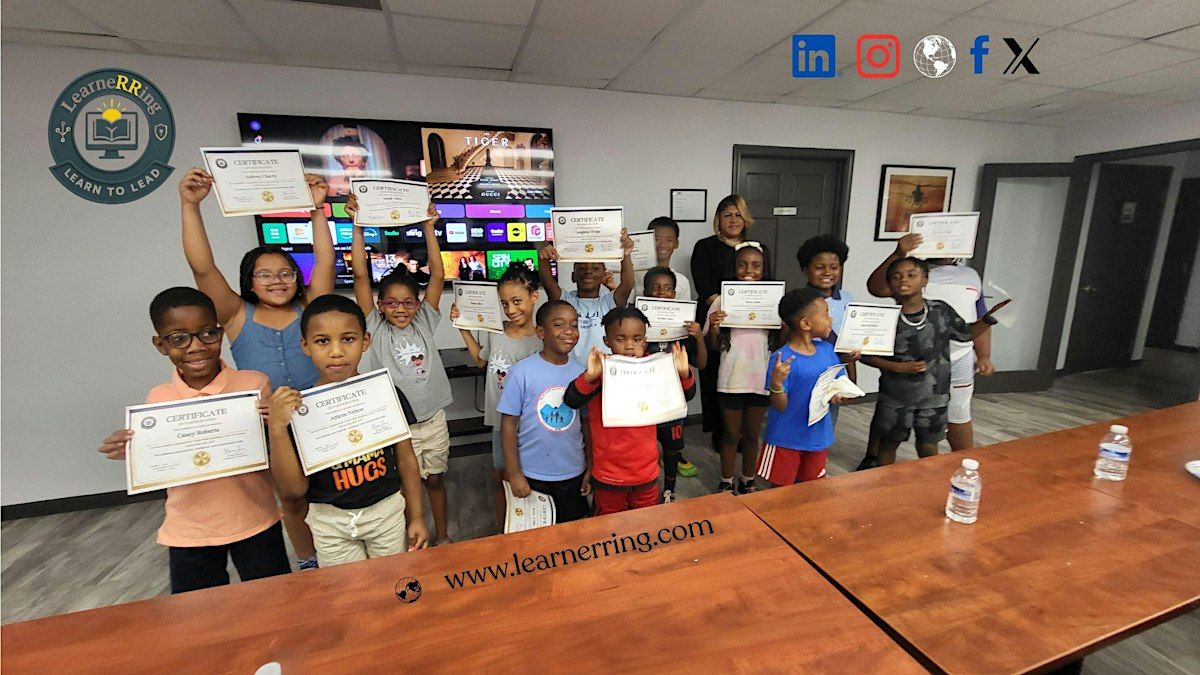
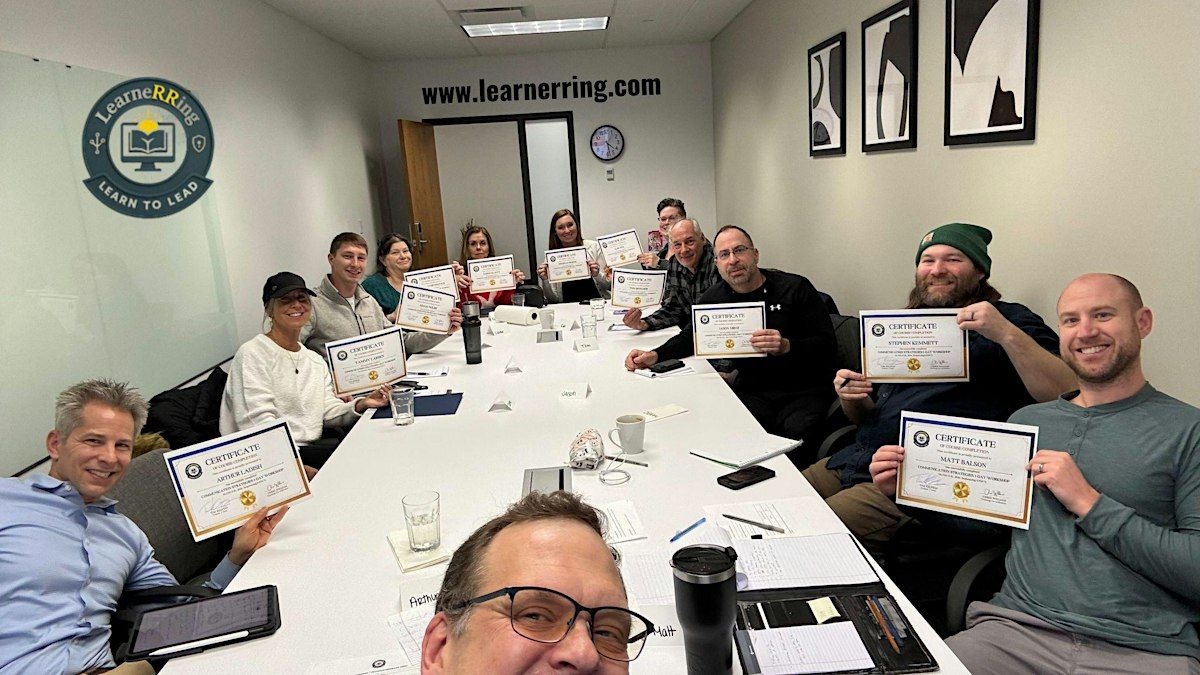
All participants will receive a Certificate of Completion from LearneRRing, recognizing their achievement.
Exclusive OffersGroup Discounts:10% off for groups of 5-10 participants15% off for groups of 11-20 participants
Corporate & Team Training Available
Want this course delivered at your workplace or for your team? We offer customized onsite and virtual sessions for companies.📩 Email us at [email protected] for details.
Event venue & nearby stays
For venue details reach us at [email protected], PH: +1505 369 2908, Grand Rapids, United States
 Concerts, fests, parties, meetups — all the happenings, one place.