

About this Event
"What are they even thinking? - Developing optical methods to measure spatial-temporal cortical oxygenation in infant and toddler heads at the point of care and in natural settings"
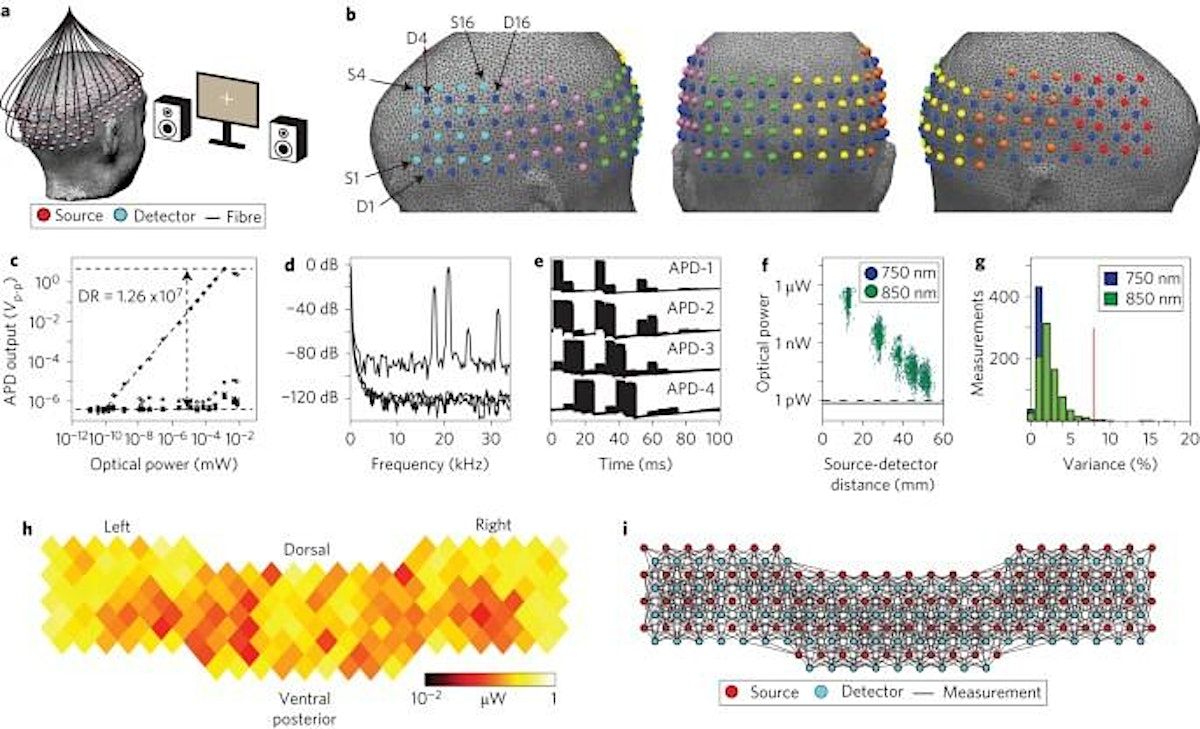
High-density diffuse optical tomography (HD-DOT) overcomes significant limitations of fMRI to safely image human brain oxygenation and function. I will discuss the fundamentals of HD-DOT, validations for its image quality, and studies applying HD-DOT to study cerebral hemodynamics of pediatric patients on ECMO and young children during natural behaviours.
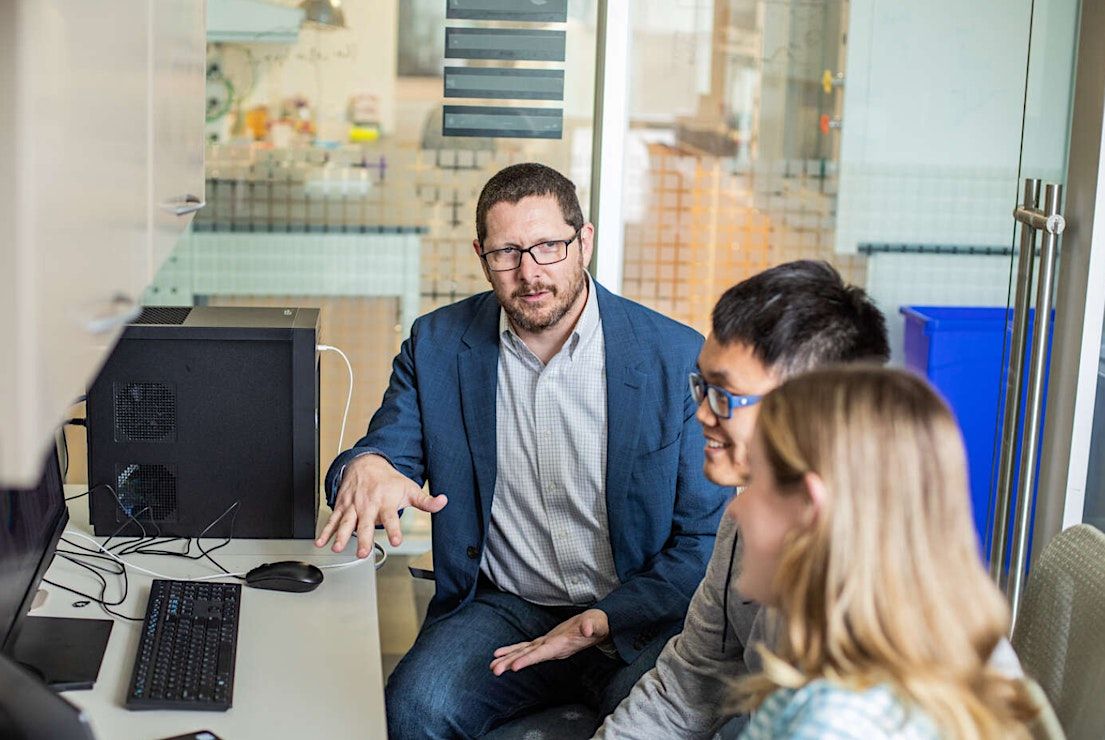
Prof Eggebrecht's lab develops novel hardware, analysis pipelines, and algorithms to extend beyond the limitations of traditional tools for investigating brain function and its relationship to outcomes (behavioural and/or diagnostic) throughout the lifespan.
"The Eggebrecht Lab, also known as the , at Washington University in St Louis, utilises both diffuse optical tomography and magnetic resonance imaging to explore human brain function. We harness the power of diffuse optics to create portable and wearable systems for unconstrained imaging of brain function, including in subjects with implanted devices who are not able to be studied with MRI due to safety concerns. Our efforts are focused on three broad areas: hardware development, software and algorithm development, and applications from basic science to clinical care."
Agenda
?: 01:45 PM - 02:00 PM
Arrival
?: 02:00 PM - 03:00 PM
Introduction, Acknowledgments, Talk and Questions
?: 03:00 PM - 04:00 PM
Questions, Discussions and Networking
Event Venue & Nearby Stays
Room JA505, John Anderson Building, 107 Rottenrow East, Glasgow, United Kingdom
GBP 0.00
