

About this Event
In these times of social and political polarization, specific issues such as migration and identity are highlighted to create division and tension. These issues are often brought to the forefront through the language of culture, which includes education, art, and symbolism which are used to form notions of a singular identity. The goal of such narratives is to create what social identity theorists call 'in and out' groups. This can be summarised as the in-group member identifying with the symbolic language of the dominant order, while the out-group is perceived as not belonging or as a threat to that order.
Dr John Johnston's illustrated talk will explore how issues-based art education (IBAE), and the various research methods employed by United Nations Centre for Arts and Learning (UCAL) can be utilised to question such constructions, by engaging with symbols and languages of division. John will show examples of practice-based projects that offer a way out of such polarised narratives while also exposing the many challenges and set backs that he and his team have encountered.
John will also introduce the morphological concept of the 'artisteducator' to explicate the connection between art, education, and society. ‘Between a Rock and Hard Place’ advocates for an educational paradigm shift away from self-centred systems of knowledge production toward meaning-centred learning, where individuals define their existence through their relationship to people, places, and the times they and we live through.
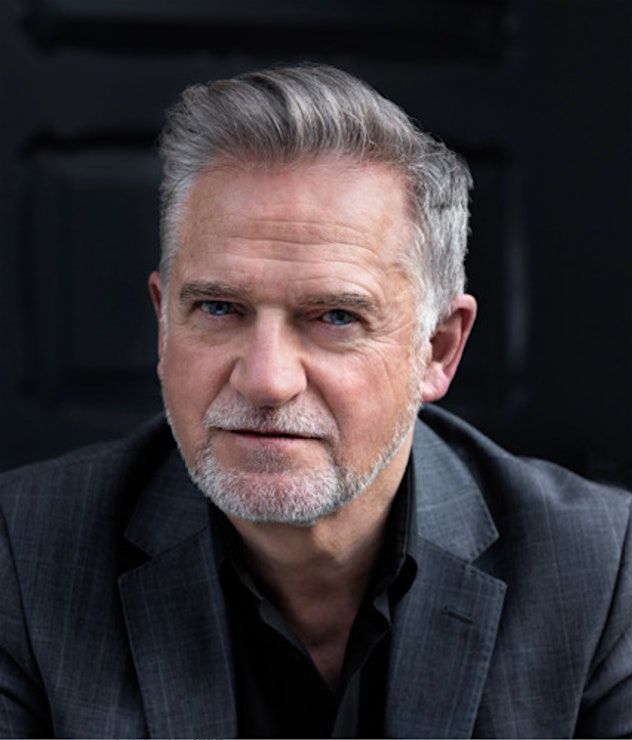
Biography
Dr. John Johnston is the inaugural UNESCO Chair in Issues-Based Arts Education based at ArtEZ University of the Arts in the Netherlands. He is the founder of the UNESCO Centre for Arts and Learning (UCAL).
The centre is grounded in applied research, and as such, the research team works directly in various site-specific contexts, drawing questions and methods from the people, places, and times of a given situation. However, as a UNESCO centre, UCAL is dedicated to forging intercultural dialogue using issues-based art to connect research groups in the global north with the global south and vis versa.
Current projects include:
UCAL/SAOL: Dublin, Ireland. Women in Recovery Dublin. Core issues include addiction, domestic violence, and imprisonment.
UCAL/Association Darna: Tangier, Morocco. Core issues include social marginalization and forced migration. Darna works with street children, young people, and vulnerable Moroccan and migrant women to enable social integration, inclusion, and promote active citizenship and agency.
UCAL/Presikhaaf University: Arnhem, the Netherlands. Presikhaaf University (PU) uses the label of university as a platform to reach some of the most marginalized young people living in the Netherlands. PU support migrant and local children in their education and social development.
UCAL/ Dutch Department of Foreign Affairs: Various embassies and diplomats from the Kingdom of the Netherlands. UK, Morocco and Ireland. Core Issues include advocating for artistic research as a cartographic narrative method to gain a better understanding of the societies and communities of a specific context.
As UNESCO Chair, John is part of a global network of academics, educators, and researchers that are collectively applying research to meet the challenges of our times. Through UCAL, he has created a team of artisteducators, researcher who promote: Practice-Led Research, Capacity Building, Dissemination, and Advocacy.
UCAL’s ultimate goal is to create a portfolio of issues based arts projects that cut across each of these four dimensions noted above, and present a comprehensive portfolio of work to the UNESCO UNITWIN network. This includes exhibitions, events, publications and policy advice that combine to advocate for arts education to be a central element of the United Nations 2030 agenda.
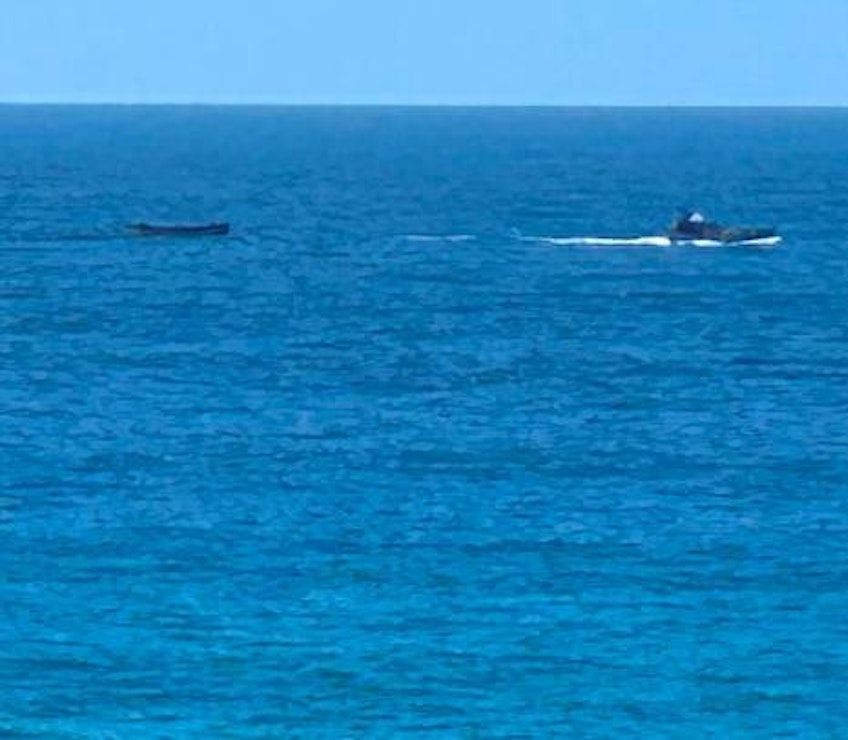
Between a Rock and a Hard Place (i). Straits of Gibraltar from Tanger.
Event venue & nearby stays
Goldsmiths, University of London, 8 Lewisham Way, London, United Kingdom
 Concerts, fests, parties, meetups — all the happenings, one place.