

About this Event
Central Oregon Association of Psychologists
Regional affiliate of the Oregon Psychological Association
From Control to Contact:
Integrative Approaches to Healing Trauma
Presented by Robyn D. Walser, PhD
DATE: Friday, March 12th 2027
9:00 am until 4:00 pm PST
6 hours Continuing Education Credit
Location: Central Oregon Community College
Wille Hall
Coats Campus Center
2600 NW College Way
Bend, OR 97703
Coffee/Tea, Snacks, and Lunch will be provided
This workshop will be capped at 100 participants
Workshop Overview: Trauma often narrows life around attempts to control distress, avoid painful memories, and protect against future harm. Although these strategies may provide short-term relief, they frequently interfere with recovery by reducing opportunities for learning, connection, and meaningful living. Effective trauma treatment involves more than reducing symptoms—it requires helping clients develop new ways of responding to difficult internal experiences while re-engaging with what matters most. This experiential workshop presents a process-based, integrative approach to trauma treatment grounded in Acceptance and Commitment Therapy (ACT). Participants will explore how exposure-based interventions and somatic approaches can be integrated. Additionally, we will review selected principles from EMDR and ART and consider their integration within a coherent behavioral framework. Rather than focusing on adherence to a particular protocol, the workshop emphasizes understanding the function of interventions and selecting strategies that enhance psychological flexibility, support inhibitory learning, and foster adaptive responding. Throughout the workshop, participants will examine when and how to incorporate exposure and body-based interventions into treatment while maintaining a collaborative, compassionate therapeutic relationship. Clinical demonstrations, case examples, and experiential exercises will illustrate practical strategies for helping clients move from controlling painful experiences toward making meaningful contact with them, creating opportunities for recovery, resilience, and renewed engagement in life.
Learning Objectives: By the end of this training, participants will be able to:
- Describe how experiential avoidance and control strategies contribute to the maintenance of posttraumatic suffering from a psychological flexibility perspective.
- Apply ACT processes to develop trauma case conceptualizations that guide the functional integration of exposure-based and somatic interventions.
- Differentiate the functions of exposure therapy, somatic interventions, and selected EMDR procedures, identifying when each may best support therapeutic change.
- Demonstrate strategies for integrating exposure and body-based approaches to promote inhibitory learning, emotional openness, and flexible responding.
- Identify methods for using the therapeutic relationship to foster safety, willingness, and engagement during trauma-focused treatment.
- Develop an individualized, process-based treatment plan that integrates ACT with exposure, somatic therapy, and selected EMDR-informed techniques while maintaining theoretical coherence.
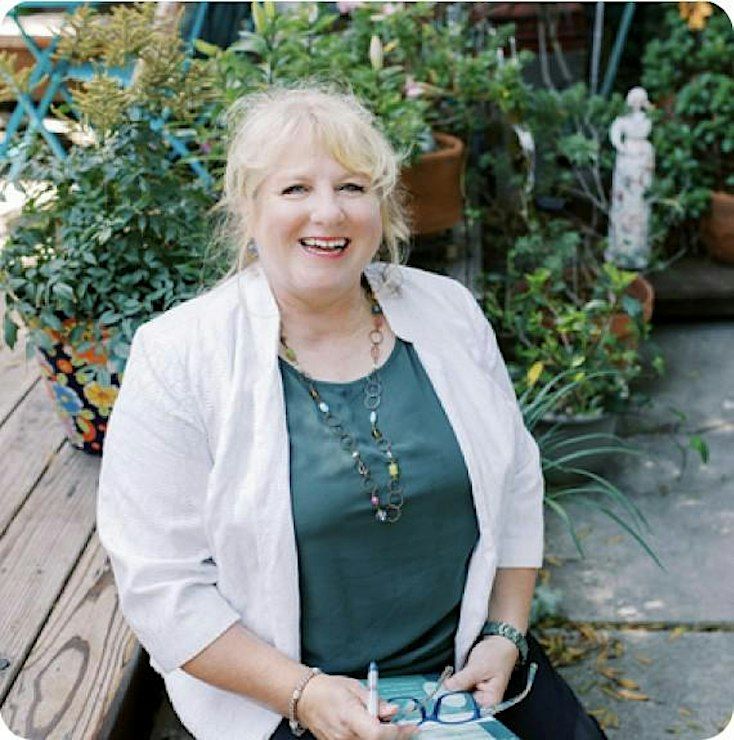
About the Presenter: Robyn D. Walser, Ph.D., is an internationally recognized clinical psychologist, educator, and author. She is the Director of Trauma and Life Consultation and Psychology Services, Assistant Professor at the University of California, Berkeley, and Director of Research at Bay Area Trauma Recovery Clinical Services. Dr. Walser has contributed significantly to the dissemination of Acceptance and Commitment Therapy (ACT) and held a pivotal role in implementing ACT in one of the US’s largest national healthcare systems. She also worked at the National Center for PTSD for 25 years, where her work focused on trauma recovery, depression, and moral injury. A writer and scholar, Dr. Walser has co-authored nine influential books on ACT, including The Heart of ACT: Developing a Flexible, Process-Based, and Client- Centered Practice Using Acceptance and Commitment Therapy and Acceptance and Commitment Therapy: Deliberate Practice to Develop and Enhance Skills in ACT, Deliberate Practice to Develop and Enhance Skills in ACT, and a self-help book entitled You Are Not Your Trauma. Her research and clinical expertise have made her a sought-after voice in advancing the application of ACT to address various complex psychological challenges. Dr. Walser’s teaching emphasizes the integration of evidence-based practices with human connection and flexibility. To learn more about her work and join her newsletter list, visit robynwalser.com.
Costs: COAP uses an online registration process that accepts credit and debit cards. The lowest registration rates are associated with early registration, we encourage you to sign up early to make sure you have a spot. This workshop is limited to the first 95 participants who register.
Registered by 2/26/27
COAP Member: $185
Non COAP Member: $195
Registered after 2/26/27
COAP Member: $200
Non COAP Member: $210
Student Rate $65
*Membership in COAP is limited to Central Oregon based active and retired psychologists, residents, and psychologist associates. You must be current with COAP dues to register at the membership rate. Yearly COAP dues are $25 and need to be paid in September via Cheddar Up website (a small fee will be charged by cheddar up). Please use this link to pay dues: https://coap-membership-2026-27.cheddarup.com
We welcome all allied mental health practitioners to our workshops (at non-member registration rates). Receiving Continuing Education credit from your various Licensing Boards is left to the discretion of the individual practitioner. Please see note below about APA.
**A $35 cancellation fee applies to requests received before 12:01 AM on the Monday prior to the event. Cancellations made during the week of the event are subject to a $50 fee. Registration fees are non-refundable for no-shows or attendee dissatisfaction.
Students are invited to attend for $65. Please be prepared to submit a copy of your student identification card as proof of your student status.
Questions can be directed to [email protected]
Check out the COAP website for additional information https://www.coapworkshops.org
Event venue & nearby stays
2600 NW College Way, 2600 Northwest College Way, Bend, United States
 Concerts, fests, parties, meetups — all the happenings, one place.