

About this Event
COURSE OVERVIEW
The Pelvis, Unhidden.
A two-day cadaveric dissection course in retroperitoneal anatomy and neuropelveology, for consultant gynaecologic surgeons ready to operate past the plane most training stops at.
Advanced Laparoscopic Reteroperitoneal & Neuropelveolgy cadaveric course. This is multidisciplinary Abdominal, Pelvic and Pelvic floor surgery Cadaveric course concentrating on retroperitonial structures.
Two days. Real anatomy. The complexity that separates good surgeons from great ones.
📅 Tue, Nov 10, 2026 | 8:00 AM
👥 Limited to 24 delegates — small-group, faculty-supervised cadaveric stations
🎓 For consultants & specialists ready to go beyond standard technique
This rare cadaveric course takes you deep into retroperitoneal anatomy and neuropelveology — the terrain most training never covers. Hands-on dissection of the pelvic sidewall, ureter, iliac vessels, and the nerve plexuses that determine outcomes in DIE and chronic pelvic pain surgery. You can learn principles of pelvic floor surgery.
COURSE OBJECTIVES: (This will depend on your previous experience)
• Anatomical hysterectomy
• Opening pelvic side wall
• Retroperitoneum, ureterolysis
• Dissection in avascular spaces
• Neurovascular anatomy
• Intracorporal and extracorporeal suturing
This is an opportunity for pelvic surgeons wishing to understand the anatomy of the deep pelvis and master techniques of compartmental based pelvic surgery. You will learn from experienced surgeons and anatomists the anatomy of abdomen, pelvis and deep pelvis and what lies beneath the peritoneum. The objective will be learning principles of surgical steps in complex gynaecological procedures with aim to reduced complication rates.
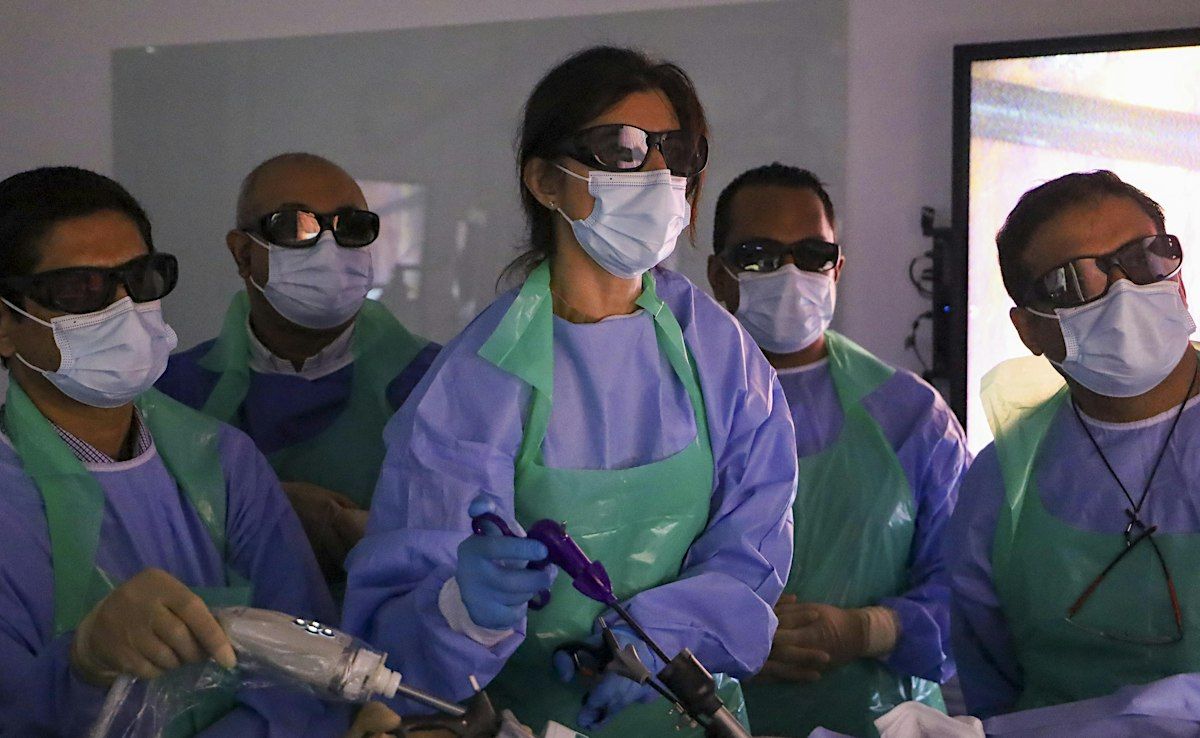
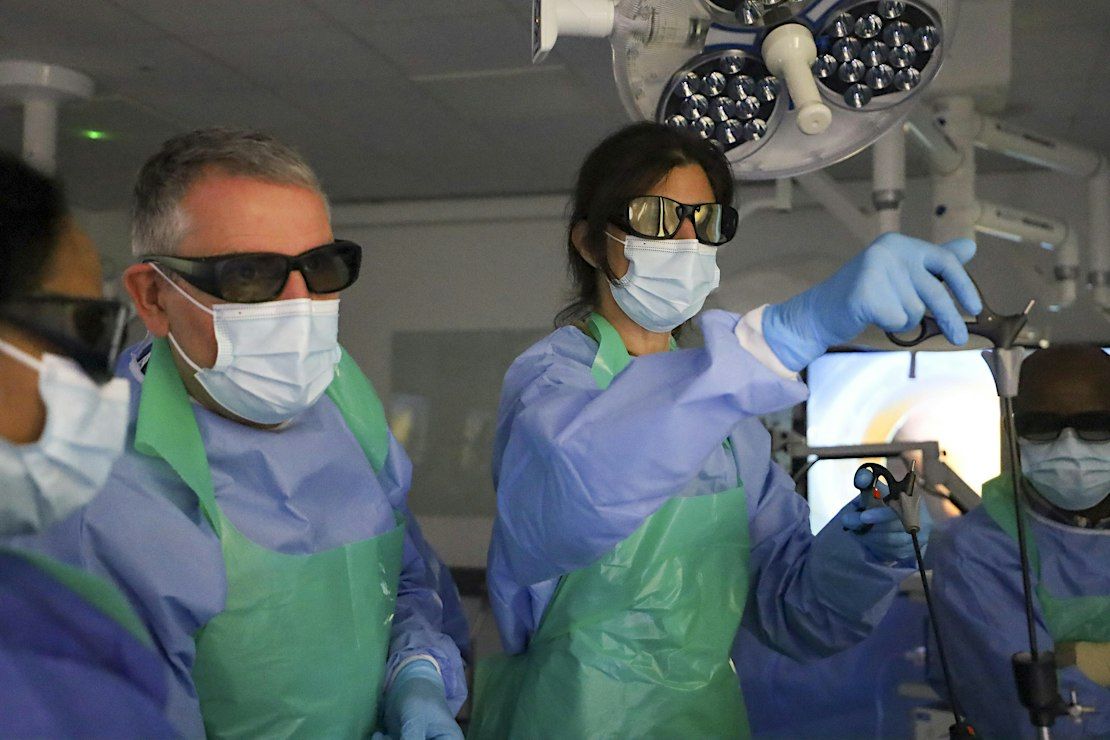
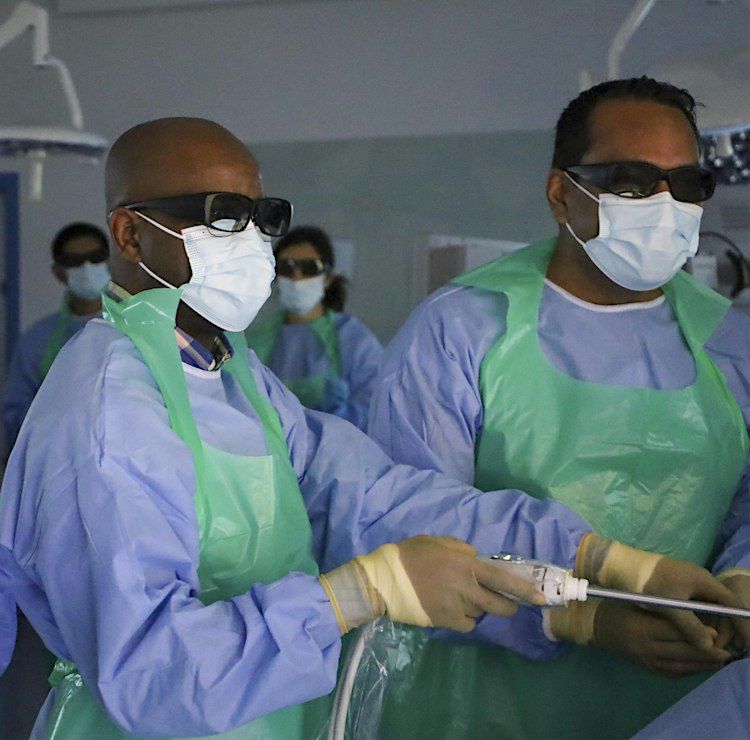
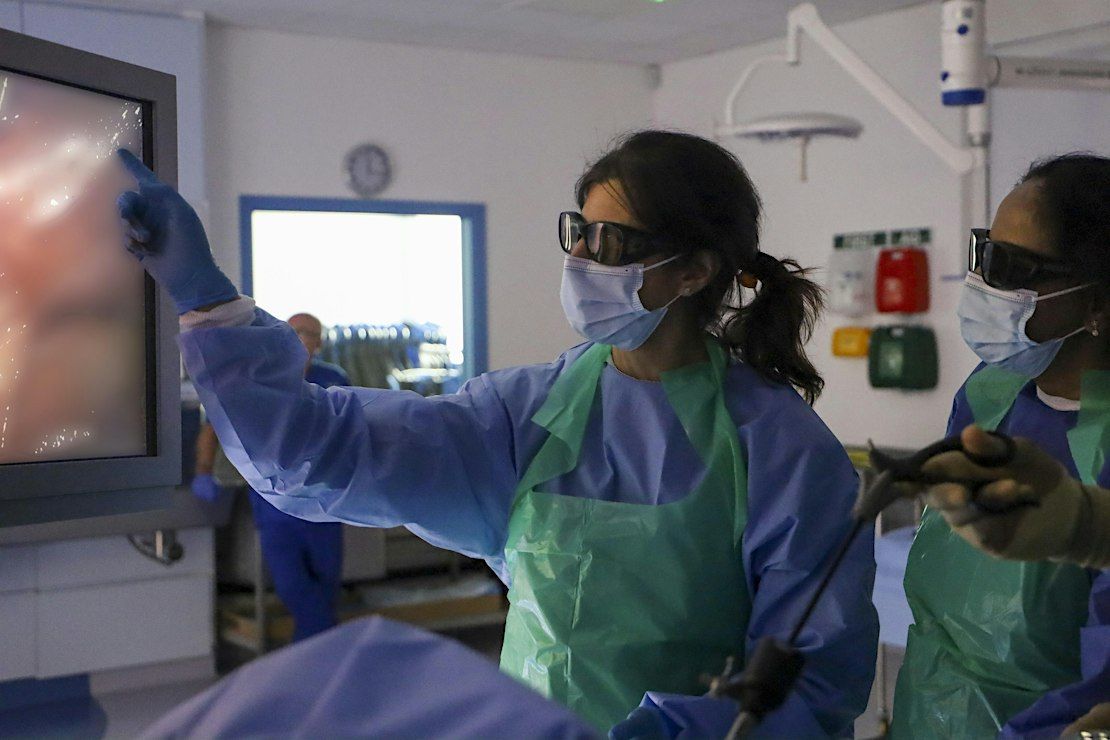
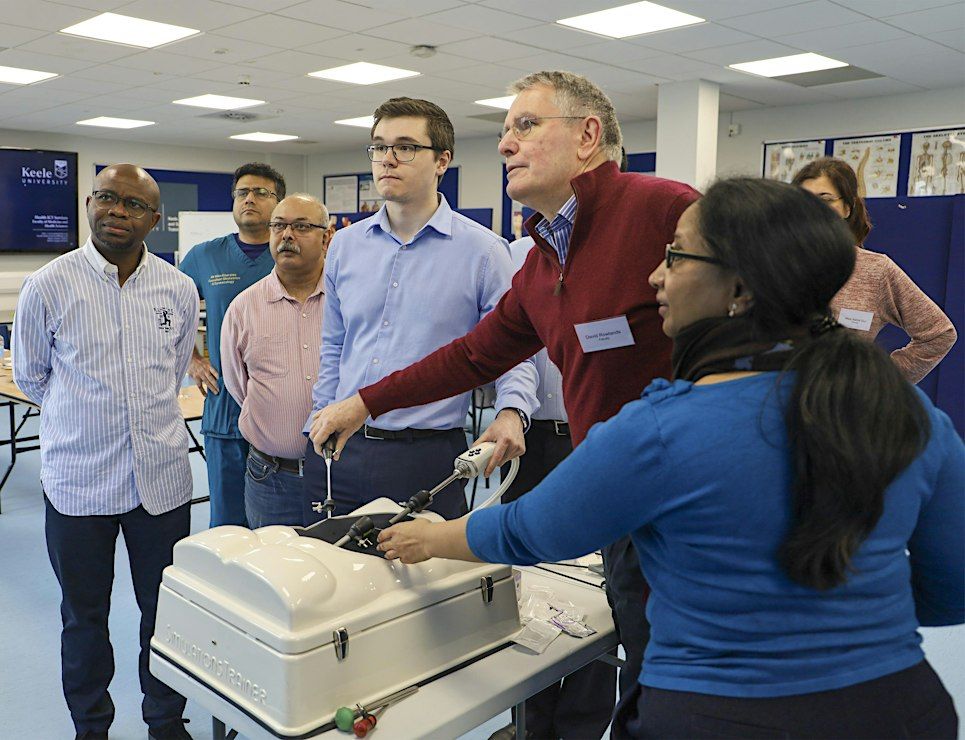
Simulating the operating theatre environment with the use of fresh frozen cadavers and advanced laparoscopic equipment including 3D technology delegates will obtain invaluable hands-on experience. Course is suitable for senior trainees, fellows and consultants and will be trailed to dissecting delegates objectives. Non dissecting delegates from all levels are suitable to learn from demonstration, observation, and discussion. Expert demonstrations of surgical approaches to the deep pelvis will cover the anatomy of this complex area.
Day one of this course will offer intensive hands-on practice of pelvic side wall dissection to perform complex laparoscopic gynae procedures. Day two will focus on learning operating in avascular spaces and retroperitoneum in particular Neurovascular anatomy. This will give you confidence to understand and recognise retroperitoneal neurovascular bundle for performing nerve sparing surgery. Dissection tasks will be tailored to your experience and requirement. Participants will rehearse and master suturing skills in dry and wet lab depending on registration type. Dissection is performed on fresh frozen donors.
Fee includes Hands on experience in cadaveric dissection or observation depending on your ticket , Lectures, anatomy prosection teaching, Video presentations, laparoscopic suturing workshop, refreshments, and course dinner. During the course you will have the opportunity to discuss clinical cases for management and prevention of complications. You will also gain experience with the next generation minimal access surgery devices (Caiman bipolar, 3D HD vision) and master laparoscopic suturing skills.
Who should attend?
Course is aimed for: Gynaecologist consultant and trainees Gynaeoncologist , Endometriosis surgeons , pelvic surgeons, Neuropelveologist, Urogynaecologist.
GYNAEONCOLOGY : Compartmental based pelvic surgery, modified radical hysterectomy for parametrial disease, Para-aortic & pelvic nodal dissection, Nerve sparing surgery, Peritoneal and diaphragmatic resection of disease
ENDOMETRIOSIS: Rectovaginal dissection, Autonomic& deep pelvic nerves and Nerve sparing excision of deep endometriosis, parametrial resection and modified radical hysterectomy, diaphragmatic resection, nerve sparing surgery
PELVIC FLOOR SURGERY & UROGYNAECOLOGY
Pelvic floor reconstruction, Paravaginal repairs and apical support.
Course Surgical Skill Objectives
• Dissect pelvic side wall, ureters and pelvic spaces, vascular anatomy
• Pararectal and rectovaginal dissection
• Safe removal of pelvic masses, large uterus and surgical steps of Laparoscopic Anatomical Total Hysterectomy
• Closure of Enterotomy and Cystotomy
• Abdominal wall anatomy, safe entry, hernia prevention
• Anatomy of Pelvic floor, ischiorectal fossa and pudendal nerve
• Neuroanatomy , Iliolumbar dissection (For nueropelveologist)
Learning outcomes:
Understanding the anatomy of the female pelvis applied to safe anatomical laparoscopic hysterectomy
Pelvic side wall dissection and ureterolysis
Uterine artery identification and ligation
Advanced laparoscopic surgery with particular emphasis on retro peritoneal spaces, pelvic nerve identification and sparing in advanced excision of rectovaginal endometriosis.
Prevesicular, paravesicular dissection, ureterolysis, visceral repair
Anatomical distribution of pelvic nerves including somatic and autonomic system to facilitate nerve sparing procedures in endometriosis and other gynaecological anatomical procedures. Retro peritoneal approach for dissection
Understand embryonic and avascular planes for dissection
Understand pelvic anatomy, neurovascular relations, muscles, ligaments, lymphatic drainage.
Understand upper abdominal anatomy (diaphragm, para-aortic lymph nodes, mesentery, omentum, ureteric relations)
Resource:
Fresh frozen female human cadavers
Use of lab and teaching room
Help from technical staff and demonstrator
Interactive discussion with facilitators
Laparoscopic stations, instruments and demonstration of 3D technology
Programme
2 day course to make full use of cadavers and maximise delegate’s experience
Delegate cadaveric dissection stations, demonstrator dissecting station
Strictly limited number of 24 delegates
Abdominal and pelvic anatomical Pro-sections available to study fixed tissue anatomy
Highly experienced pelvic surgeons facilitating dissection and training
PRILIMINARY PROGRAMME
Day I: Retroperitoneal Foundations
• Surgical anatomy of the retroperitoneum, ureter & pelvic sidewall
• Live/video demonstration — laparoscopic retroperitoneal dissection
• Cadaveric stations — space opening, ureterolysis, vascular identification
Day 2 Neuropelveology & Complex Pathology
• Pelvic neuroanatomy — hypogastric plexus, pudendal nerve, sacral roots
• Cadaveric stations — nerve-sparing dissection & plexus mapping
• Complex case stations — deep infiltrating endometriosis, dense adhesions
Small-group, faculty-supervised dissection — every dissecting delegate operates, observing delegate gains by observes. Places capped to preserve cadaver-to-surgeon ratio.
FACULTY
- Course director & Surgical Faculty
Miss Nahid Gul FRCOG
Consultant Pelvic Surgeon. Gynae-oncological, Endometriosis, Neuropelveology
- Surgical Faculty
Mr David Rowlands FRCOG
Consultant Gynaecological and Endometriosis Surgeon
- Anatomy faculty
Mr Luke Welch, Director of anatomy, Keele university
CONTACT: Email: [email protected]

Miss Nahid Gul FRCOG
Consultant Pelvic Surgeon. Gynae-oncological, Endometriosis, Neuropelveology

Surgical Faculty
Mr David Rowlands FRCOG
Consultant Gynaecological and Endometriosis Surgeon

Anatomy faculty
Mr Luke Welch, Director of anatomy, Keele university
INDUSTRY SUPPORT

VENUE
DAVID WEATHERALL BUILDING, ANATOMY DEPARTMENT, KEELE UNIVERSITYKEELE CAMPUS.
S TOKE-ON-TRENT, UK
ST5 5BG
PREVIOUS COURSES
Laparoscopic cadaveric hands on course
Keele university 2025, 2024, 2023, 2022
Event venue & nearby stays
Keele University, Anatomy Department, Newcastle under Lyme, United Kingdom
 Concerts, fests, parties, meetups — all the happenings, one place.