
About this Event
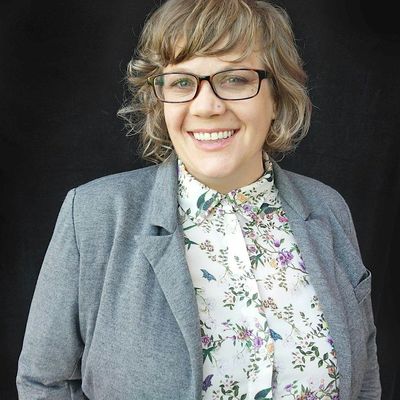
Speakers: Dr Jamie J. Hagen, Lecturer in Global Politics, University of Manchester, Dr. Sarah-Joy Ford, Artist and independent scholar
Jamie Hagen's talk will focus on the importance of queer and feminist solidarity in organizing for peace, with a look at expamples in the context of Northern Ireland and Colombia. The talk will also engage with the history of women's rights movements engaged in peace and security. Jamie will also offer reflections from the book on how this has developed in parallel to lesbian rights movements, drawing on examples from the book from the Lesbian Herstory Archives.
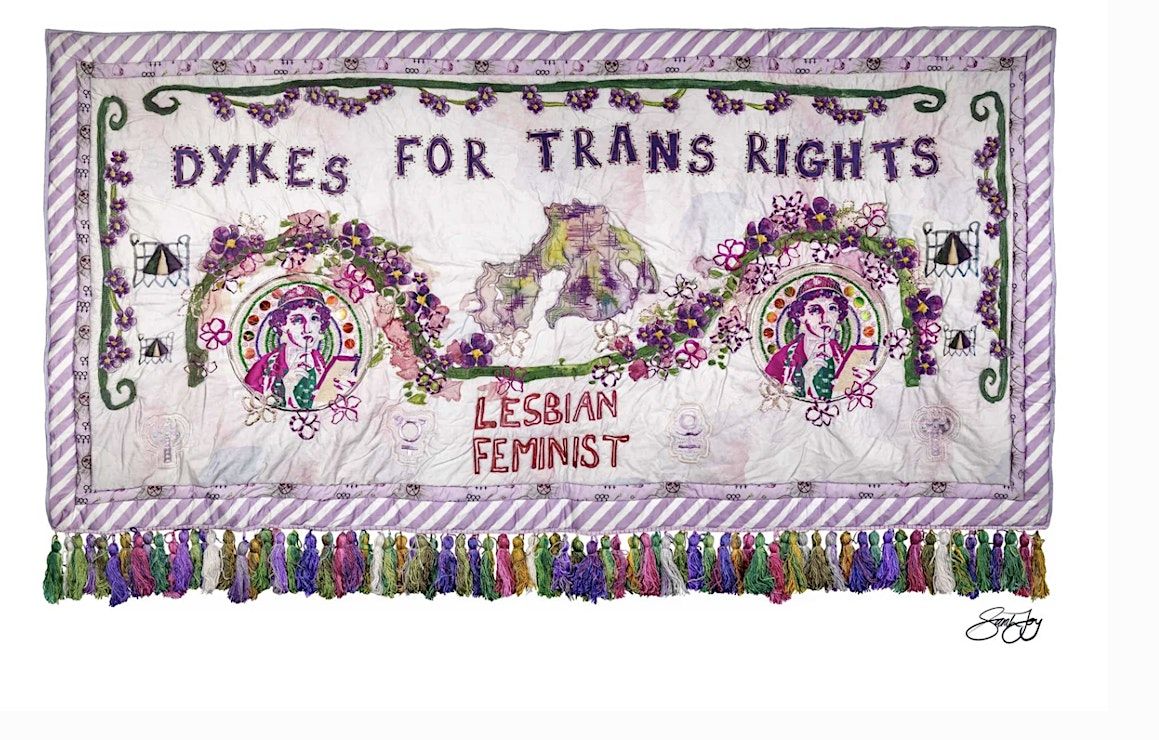
Sarah-Joy Ford will offer reflections on the quilt-banner on the cover of the book, Dykes for Trans Rights, as well as her other work related to queer feminist solidarity with Palestine.
Chaired and moderated by Dr. Róisín Read, Lecturer in Peace and Conflict Studies, Humanitarian Conflict Response Institute, University of Manchester
Free and open to all! Talk followed by reception and badge making. Please RSVP to allow for accounting for numbers for reception.
More about the book:
In 2000, the United Nations Security Council passed resolution 1325, which addressed, for the first time, the experience of women and girls during conflict and the need to consider gender in peacebuilding. From this landmark resolution, a groundbreaking Women, Peace and Security (WPS) agenda has evolved, guided by ten total Security Council resolutions. But to this point, the WPS framework and related scholarship has yet to meaningfully include queer and trans women in their programmatic work and conflict interventions.
Queering Women, Peace and Security fills this gap by applying queer theory to feminist efforts to ensure a gender perspective is promoted by the WPS agenda. Engaging with WPS documentation, examples of implementation, and interviews with practitioners, Jamie J. Hagen examines how the needs of LGBTQ people in conflict and peacebuilding are considered within the current architecture and practices. In particular, she identifies the interchangeable use of the words "gender" and "women," which betrays a larger analytical failure to think outside a binary categorization of gender. Informed by this analysis and interviews with leaders from Northern Ireland and Colombia, Hagen outlines steps those implementing the WPS agenda can take to work in collaboration with queer and trans communities in their gender, peace, and security work.
Event Venue & Nearby Stays
The Portico Library, 57 Mosley Street, Manchester, United Kingdom
GBP 0.00