

About this Event
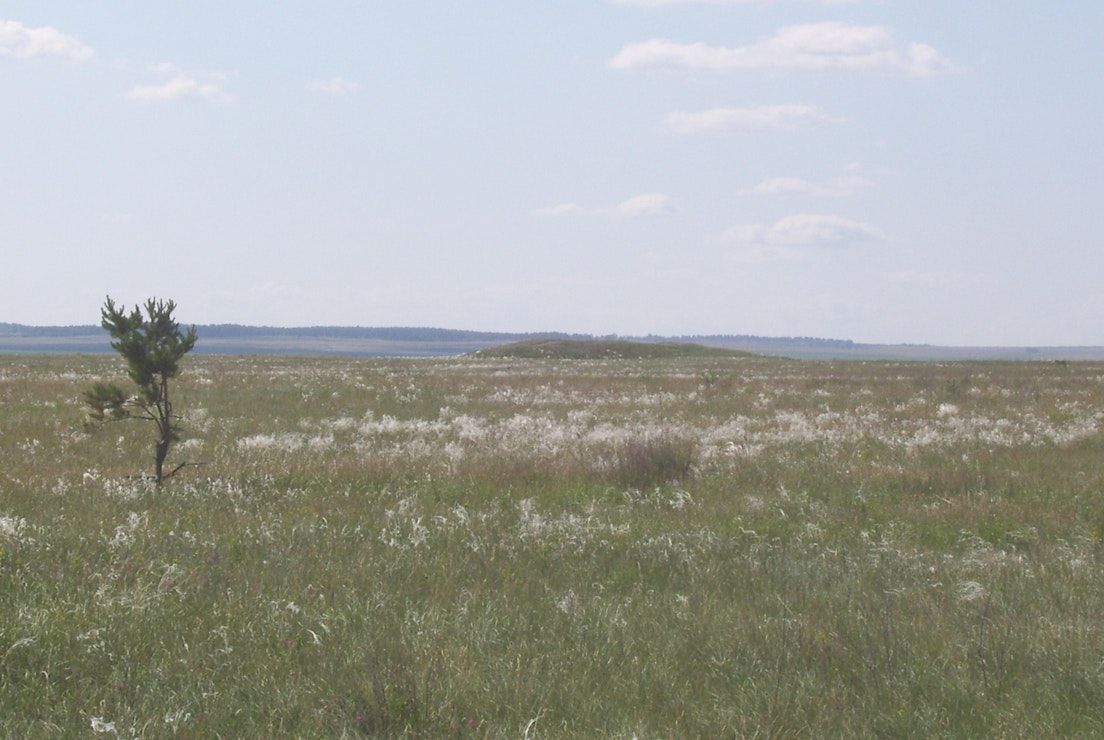
In Book IV of his Histories, Herodotus describes the complex burial rites of the Scythians. From then on, “Scythian” society (and its numerous cultural and regional iterations) has been modeled largely based upon those very same burial rites, i.e., a ranked society dominated by (male) warriors. These rites include the construction of burial mounds, called kurgan in Russian and mohyla (or sometimes kurgan) in Ukrainian, and the deposition of one to five (or more) deceased individuals in each mound. Not surprisingly, scholars from Ukraine, Russia, Germany, and elsewhere have often sought to model the ranking scheme based on mound size and sometimes the goods within these mounds. Indeed, the focus on, if not obsession with, larger mounds usually dominates scientific inquiry but has also led to what I argue is a skewed perspective in terms of the relationship between (mound) size and status, not to mention reconsiderations of gender and status in Scythian cultures over the past three decades or so. In this talk, rather than a stereotypical talk with a piece of material culture taking center stage, I broaden the perspective to interrogate the simplistic formula of mound size = status, examining the construction and use of Iron Age burial monuments in central Ukraine. I discuss the initial results of my Comparative Iron Age Burial Monuments Project and compare them to the project’s most recent findings, indicating more complex, if not complicated, dimensions of the social, political, and economic uses of Iron Age “Scythian” burial monuments beyond overly simplistic considerations of rank or status.
This is a hybrid lecture! You can join us online at https://us06web.zoom.us/j/87842057184
NB: This event is not sponsored by Denver Public Library. For more information, please contact [email protected]
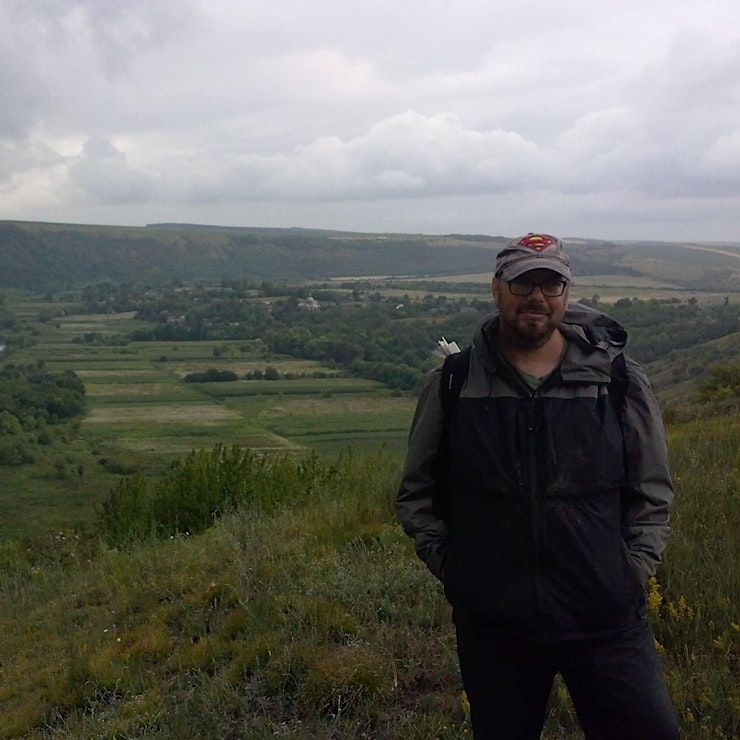
Dr. James A. Johnson (Ph.D., University of Pittsburgh 2014) began his archaeological career in 2000 excavating ‘Celtic’ Iron Age burial mounds in southwest Germany as a part of the Landscape of Ancestors Project. In 2015, funded by the National Geographic Society, he along with colleagues started the Bil’sk-Gelonus Project in the Poltava Region of east-central Ukraine. Currently, he and his students are conducting research through Johnson’s Comparative Iron Age Burial Mound Project, compiling and analyzing data regarding the use of earthen burial mounds and associated mortuary practices from France to Ukraine to Mongolia.
Event Venue & Nearby Stays
Denver Public Library: Park Hill Branch Library, 4705 Montview Boulevard, Denver, United States
USD 0.00