

About this Event
Course Overview
Traditional approaches to CTG interpretation often focus on pattern recognition, but without a deep understanding of fetal and maternal physiology, critical insights into fetal wellbeing can be missed. This two-day, in-person workshop is designed for clinicians who want to go beyond the CTG and better understand what the fetus is telling us.
Led by the experienced team at St George’s University Hospital, this course combines scientific evidence, national guideline reviews (including NICE), physiological insights, and real-world case studies to support safer, more confident decision-making on the labour ward.
If you’ve ever felt uncertain during a trace or been surprised by an unexpected outcome despite a reassuring CTG, this course helps you understand why, as well as giving you the framework and tools to respond differently in future.
“This course has been incredibly hands-on and clinically relevant. The most powerful takeaway for me was understanding how intrapartum risk factors can influence fetal response — and how to spot these subtle shifts in real time. The practical cases were invaluable, especially learning from others in an open and engaging environment.” – Dr. Mariana Tomé, Senior Registrar Obstetrician, Clinical Research Fellow, Oxford Labour Monitoring Team
What You Gain
- A deeper understanding of fetal, maternal, and myometrial physiology in labour
- Sharper clinical judgement – confidently recognising and managing hypoxia, applying national guidance intelligently, and avoiding unnecessary intervention
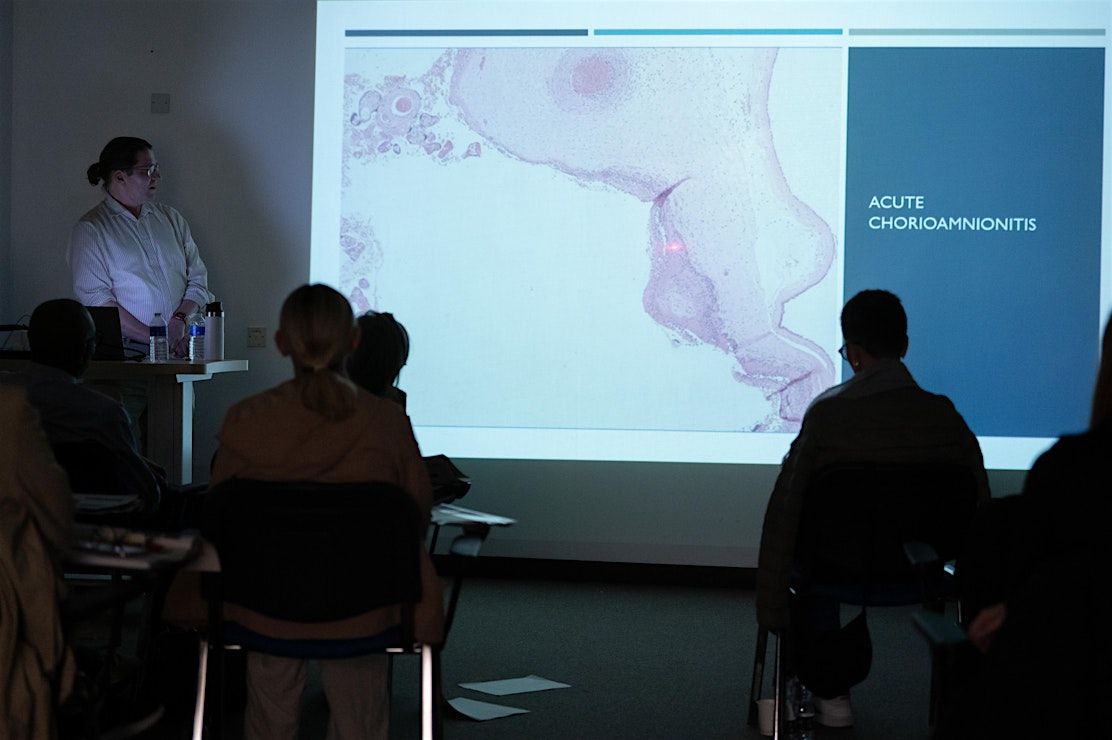
- Practical insight into complex intrapartum challenges, including meconium, fever, chorioamnionitis, antenatal insults, and more
- Awareness of computerised antenatal CTGs and cutting-edge emerging technologies
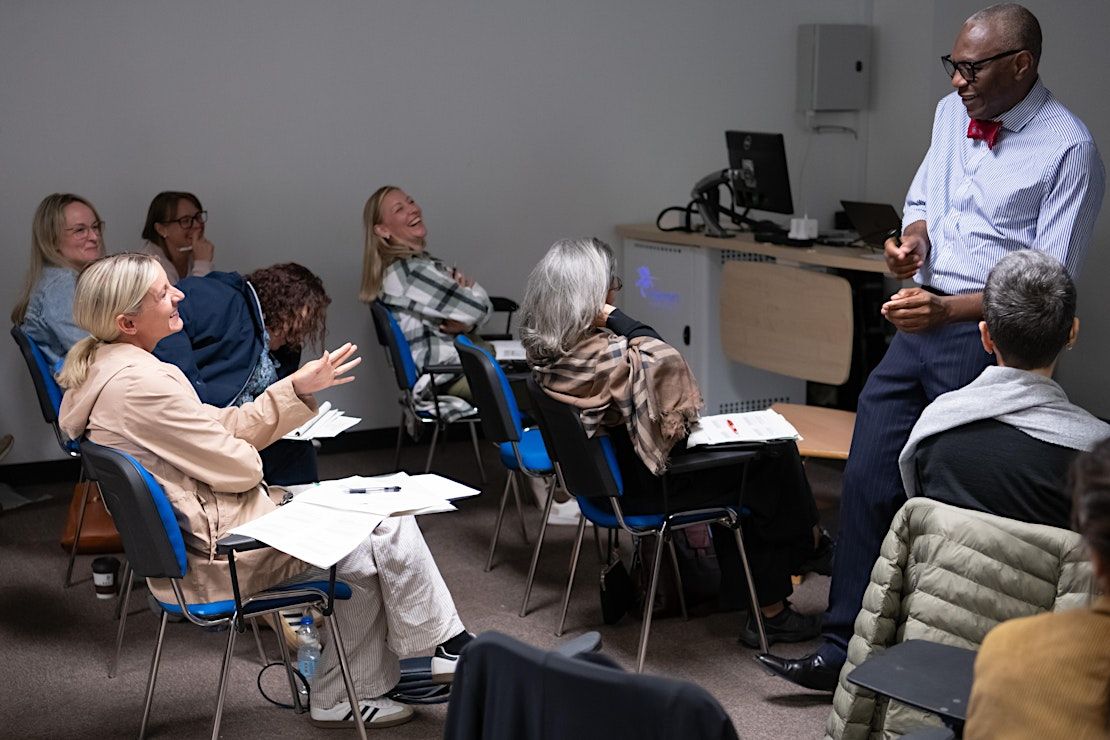
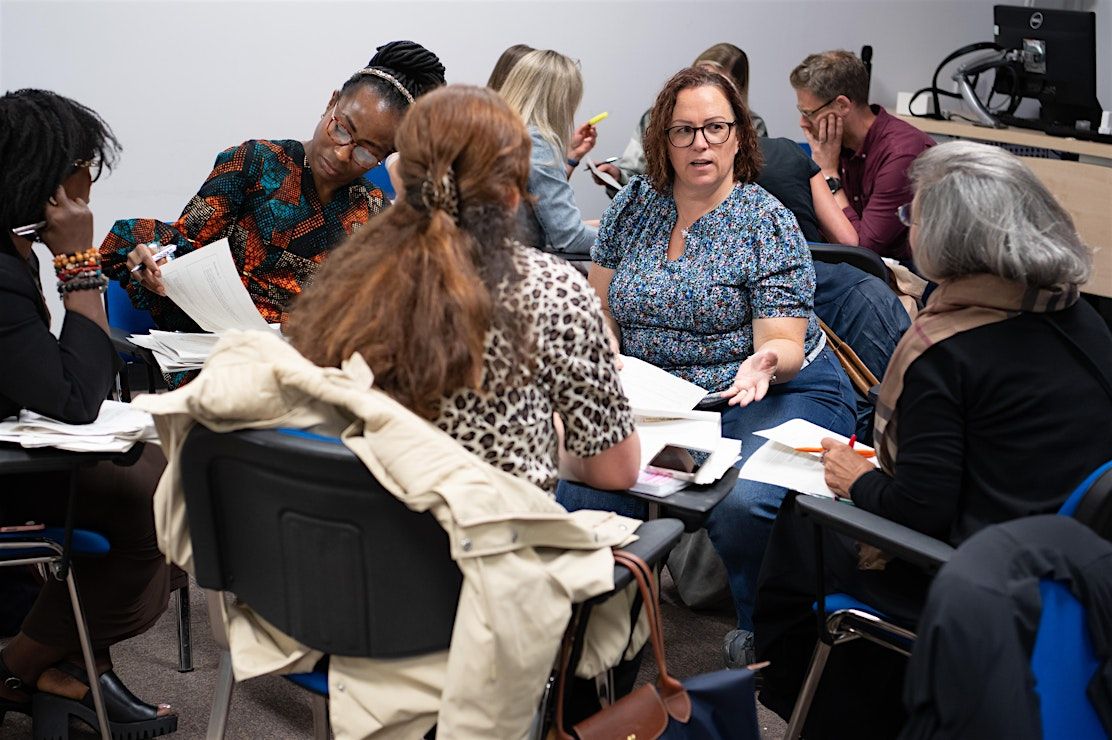
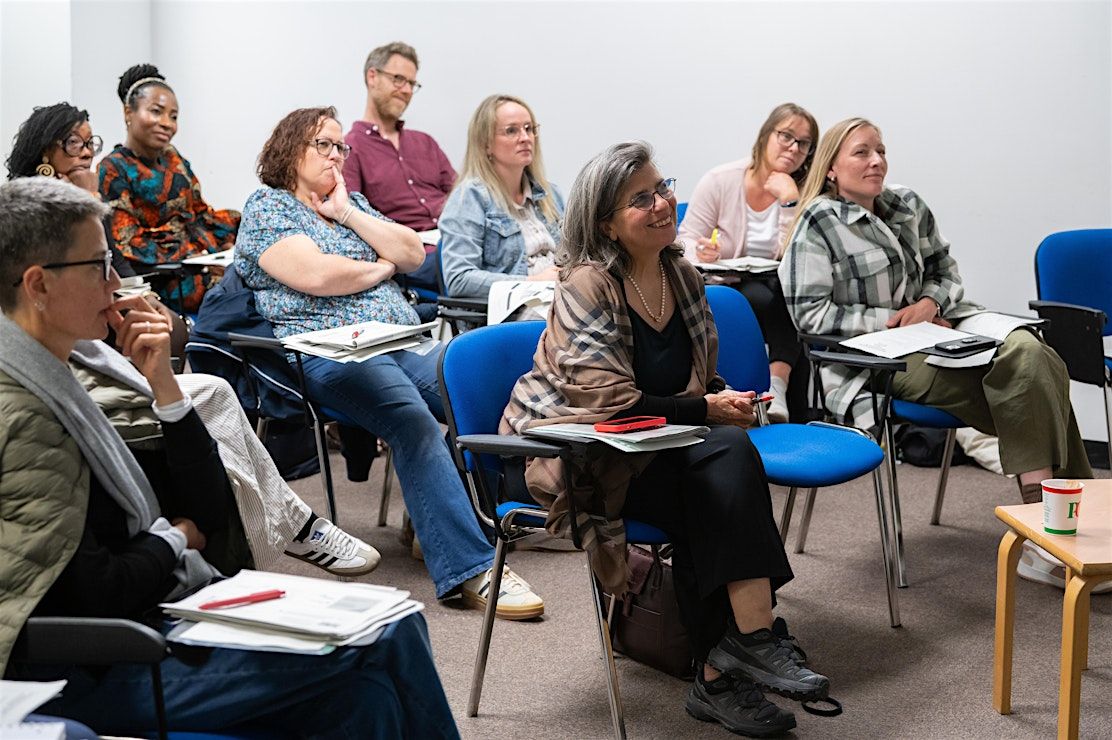
- Consolidated learning through hands-on case reviews, group work, and discussions with like-minded clinicians operating at the top of their practice
Who Should Attend
This course is ideal for:
- Midwives
- Labour ward coordinators and fetal monitoring leads
- Obstetric registrars and consultants
- Clinical educators and governance champions
Meet Your Expert Faculty
The course is led by some of the UK’s leading voices in fetal monitoring, which include:
- Austin Ugwumadu: renowned obstetrician and international educator
- Virginia Whelehan and Federica Gianstefani: midwifery leaders with decades of experience in clinical care, audit, and fetal monitoring education
- Invited experts in fetal physiology, perinatal pathology, and antenatal fetal monitoring
This faculty has helped hundreds of clinicians across the UK and beyond sharpen clinical judgement, leading to safer care on the labour ward.
What’s Included
Your ticket includes two interactive training days, course materials, refreshments, and lunch. Places are limited and allocated on a first-come, first-served basis.
Why Join Us
We know that a more holistic approach to fetal monitoring saves lives.
Join us today and help shape the next generation of safer, more insightful, fetal monitoring.
Questions?
Contact Agnes Siemion at [email protected].
Find out more here: https://www.stgeorges.nhs.uk/service/maternity-services/the-fetal-monitoring-group-at-st-georges-university-hospital/
Programme
🕑: 08:30 AM - 09:00 AM
Day 1: Registration and welcome
🕑: 09:00 AM - 09:30 AM
Laying the foundations: Fetal and maternal physiology
Info: A concise, insightful overview of fetal, maternal and myometrial physiology during labour.
🕑: 09:30 AM - 11:30 AM
Subtypes of intrapartum hypoxia: What the fetus is communicating
Info: Understand the four main types of hypoxia, how they develop, and best practice responses.
🕑: 11:30 AM - 12:00 PM
Coffee break
🕑: 12:00 PM - 12:30 PM
Reclaiming Intermittent Auscultation (IA)
Info: The role of IA in intrapartum care and how to practice it safely and confidently.
🕑: 12:30 PM - 01:30 PM
High-risk labours part 1: Responding to red flags
Info: Explore how meconium, maternal fever, and chorioamnionitis affect fetal reserves, how these conditions present on the CTG, and deepen your understanding of how to apply national guidelines.
🕑: 01:30 PM - 02:30 PM
Lunch break
🕑: 02:30 PM - 03:30 PM
High-risk labours part 2: Navigating clinical complexity
Info: From Syntocinon to FGR, diabetes, and VBAC, discover how to interpret CTGs holistically when multiple risks intersect.
🕑: 03:30 PM - 05:00 PM
Interactive case reviews: Session 1
Info: Work in facilitated groups to apply learnings to real case reviews. Share insights, sharpen judgement through peer learning, and join lively group discussions.
🕑: 08:30 AM - 09:00 AM
Day 2: Arrival and coffee
🕑: 09:00 AM - 10:30 AM
Fetal and neonatal acid-base balance: Key considerations
Info: What cord gases can (and can’t) tell us and how this links to decision-making in labour.
🕑: 10:30 AM - 11:30 AM
Responding to special CTG patterns
Info: Explore complex and rare CTG findings, including sinusoidal patterns, hypervariability, and fetal stroke presentations.
🕑: 11:30 AM - 12:00 PM
Coffee break
🕑: 12:00 PM - 01:00 PM
Interactive case reviews: Session 2
Info: Refine your reasoning and practice communicating decisions in uncertain, clinically complex, situations.
🕑: 01:00 PM - 02:00 PM
Lunch break
🕑: 02:00 PM - 03:00 PM
Interactive case reviews: Session 3
Info: Practice clinical judgement, escalation, and communication by reviewing cases in groups.
🕑: 03:00 PM - 04:00 PM
What the placenta can communicate
Info: How to recognise and respond to placental disorders and chronic compromise before it’s too late.
🕑: 04:00 PM - 04:30 PM
Post-course knowledge check
Info: Put what you’ve learnt to the test and see how your thinking has evolved.
🕑: 04:30 PM - 05:00 PM
Close and feedback
Info: Wrap-up and reflections.
Event Venue & Nearby Stays
St George's University Hospital, Blackshaw Road, London, United Kingdom
GBP 80.54 to GBP 341.71