Advertisement
𝗕𝗲𝘁𝘄𝗲𝗲𝗻 𝗔𝗻𝗮𝘁𝗼𝗺𝗶𝗲𝘀𝟮𝟲 𝗝𝘂𝗻𝗲 𝟮𝟬𝟮𝟲 (𝗙𝗿𝗶𝗱𝗮𝘆)
𝟱.𝟯𝟬𝗽𝗺 – 𝟳𝗽𝗺: 𝗔𝗿𝘁𝗦𝗰𝗶𝗲𝗻𝗰𝗲 𝗖𝗶𝗻𝗲𝗺𝗮, 𝗟𝗲𝘃𝗲𝗹 𝟰
𝟳𝗽𝗺 𝗼𝗻𝘄𝗮𝗿𝗱𝘀: 𝗟𝗲𝘃𝗲𝗹 𝟯 𝗘𝘅𝗵𝗶𝗯𝗶𝘁𝗶𝗼𝗻 𝗚𝗮𝗹𝗹𝗲𝗿𝗶𝗲𝘀
𝗧𝗶𝗰𝗸𝗲𝘁𝗲𝗱 𝗔𝗱𝗺𝗶𝘀𝘀𝗶𝗼𝗻: $𝟱 (𝗶𝗻𝗰𝗹𝘂𝗱𝗲𝘀 𝗲𝗻𝘁𝗿𝘆 𝘁𝗼 𝗙𝗹𝗲𝘀𝗵 𝗮𝗻𝗱 𝗕𝗼𝗻𝗲𝘀: 𝗧𝗵𝗲 𝗔𝗿𝘁 𝗼𝗳 𝗔𝗻𝗮𝘁𝗼𝗺𝘆 𝗲𝘅𝗵𝗶𝗯𝗶𝘁𝗶𝗼𝗻 𝗮𝗳𝘁𝗲𝗿 𝟳𝗽𝗺)
What happens when different ways of understanding the body are brought into direct conversation?
Building on the themes of Flesh and Bones: The Art of Anatomy, Between Anatomies brings together perspectives across medical science, Traditional Chinese Medicine, cultural history and curatorial practice to explore how the body can be understood in radically different ways.
From the formal structures of biomedical anatomy to the relational, energetic mappings of Traditional Chinese Medicine, and from historical entanglements of bodies and tools to contemporary curatorial interpretations, the programme considers how each system produces its own version of the body.
Speakers include 𝗩𝗮𝗻𝗲𝘀𝘀𝗮 𝗖𝗵𝗮𝗻𝗴 (Director of Programmes at Leonardo), 𝗝𝗲𝗿𝗼𝗺𝗲 𝗖𝗵𝗲𝗲 (Curator of Moving Image & Emerging Media at ArtScience Museum), 𝗟𝗼𝗿𝗿𝗮𝗶𝗻𝗲 𝗦𝗲𝗲𝘁 (TCM Practitioner at HSI Medicine) and 𝗗𝗿. 𝗥𝗮𝗻𝗴𝗮𝗻𝗮𝘁𝗵 𝗩𝗮𝗹𝗹𝗮𝗯𝗵𝗮𝗷𝗼𝘀𝘆𝘂𝗹𝗮 (Senior Lecturer in Anatomy at Lee Kong Chian School of Medicine). The programme is moderated by 𝗭𝗵𝗮𝗻𝗴 𝗕𝗮𝗼 𝗫𝗶𝗻 (Senior Curator of Public Programmes at ArtScience Museum).
𝗣𝗿𝗼𝗴𝗿𝗮𝗺𝗺𝗲 𝗢𝘃𝗲𝗿𝘃𝗶𝗲𝘄
5.30pm – 5.35pm
𝗪𝗲𝗹𝗰𝗼𝗺𝗲 𝗮𝗻𝗱 𝗜𝗻𝘁𝗿𝗼𝗱𝘂𝗰𝘁𝗶𝗼𝗻 𝗯𝘆 𝗭𝗵𝗮𝗻𝗴 𝗕𝗮𝗼 𝗫𝗶𝗻
5.35pm – 5.50pm
𝗙𝗿𝗮𝗺𝗶𝗻𝗴 𝗙𝗹𝗲𝘀𝗵 𝗮𝗻𝗱 𝗕𝗼𝗻𝗲𝘀 𝗯𝘆 𝗝𝗲𝗿𝗼𝗺𝗲 𝗖𝗵𝗲𝗲
Jerome Chee introduces the exhibition as a space where multiple anatomical traditions intersect to shape different ways of understanding the human body. Tracing a history that spans Renaissance anatomical image-making to diverse healing traditions, his talk reveals how anatomy operates as a shared yet contested language, and how visual and cultural frameworks continue to shape what can be known or imagined about the body.
5.50pm – 6.10pm
𝗧𝗵𝗲 𝗔𝗻𝗮𝘁𝗼𝗺𝗶𝗰𝗮𝗹 𝗕𝗼𝗱𝘆 𝗯𝘆 𝗗𝗿. 𝗥𝗮𝗻𝗴𝗮𝗻𝗮𝘁𝗵 𝗩𝗮𝗹𝗹𝗮𝗯𝗵𝗮𝗷𝗼𝘀𝘆𝘂𝗹𝗮
Reflecting on anatomy as a scientific discipline and pedagogical practice, Dr. Ranganath Vallabhajosyula examines how the body is structured, visualised and translated into medical knowledge through anatomical education. His talk examines how the teaching of anatomy continues to evolve, shaping both clinical knowledge and the humanistic and ethical values that underpin medical practice.
6.10pm – 6.25pm
𝗧𝗵𝗲 𝗥𝗲𝗹𝗮𝘁𝗶𝗼𝗻𝗮𝗹 𝗕𝗼𝗱𝘆 𝗯𝘆 𝗟𝗼𝗿𝗿𝗮𝗶𝗻𝗲 𝗦𝗲𝗲𝘁
Drawing from her clinical practice in Traditional Chinese Medicine, physician Lorraine Seet reflects on the body as a dynamic system shaped by balance, flow and interconnectedness. Her presentation offers a different perspective on health and healing, one that understands the body through relationships between body, mind, environment and lived experience.
6.25pm – 6.40pm
𝗧𝗵𝗲 𝗕𝗼𝗱𝘆 𝗗𝗶𝗴𝗶𝘁𝗮𝗹 𝗯𝘆 𝗩𝗮𝗻𝗲𝘀𝘀𝗮 𝗖𝗵𝗮𝗻𝗴
In an era of rapid technological change, from AI and synthetic media to increasingly intimate interfaces, how do machines reshape what we think a body is? Vanessa Chang outlines a cultural history of co-evolution between bodies and technologies, showing how tools do not simply extend us but reorganise how we sense, move, communicate and imagine ourselves.
6.40pm – 7pm
𝗣𝗮𝗻𝗲𝗹 𝗤&𝗔
Bringing the speakers into conversation, this closing discussion explores how different systems of understanding the body intersect and reshape one another.
7pm onwards
𝗜𝗻𝗳𝗼𝗿𝗺𝗮𝗹 𝗖𝗼𝗻𝘃𝗲𝗿𝘀𝗮𝘁𝗶𝗼𝗻𝘀 𝗶𝗻 𝘁𝗵𝗲 𝗘𝘅𝗵𝗶𝗯𝗶𝘁𝗶𝗼𝗻 𝗚𝗮𝗹𝗹𝗲𝗿𝗶𝗲𝘀
Continue the experience in Flesh and Bones: The Art of Anatomy, and join the speakers for informal conversations within the exhibition galleries.
𝗔𝗯𝗼𝘂𝘁 𝗙𝗹𝗲𝘀𝗵 𝗮𝗻𝗱 𝗕𝗼𝗻𝗲𝘀: 𝗧𝗵𝗲 𝗔𝗿𝘁 𝗼𝗳 𝗔𝗻𝗮𝘁𝗼𝗺𝘆 (𝟮𝟭 𝗠𝗮𝗿 - 𝟭𝟲 𝗔𝘂𝗴 𝟮𝟬𝟮𝟲)
Flesh and Bones traces anatomy as a shared language of art and science, where the body becomes medicine, cosmos, and a vessel for contemplating life, transformation, and afterlife. Expanding beyond Western traditions of anatomical study, the exhibition brings into dialogue diverse cultural practices that have long shaped how bodies are cared for, depicted, and understood.
For centuries, the human body has been examined through medicine, art, and scientific investigation. In Renaissance Europe, printed anatomical atlases transformed emerging medical knowledge into images that reshaped how the body was studied and imagined through collaboration among anatomists, artists, and printmakers. Yet across the world, other systems—ranging from holistic healing to ritual, cosmology, and indigenous medical lineages—developed parallel ways of mapping the body, each grounded in its own philosophies of health, spirit, and interconnectedness.
Anatomy was central to artistic training in Europe, and artists played a pivotal role in circulating anatomical knowledge. But anatomical representation has never been the product of observation alone. At the intersection of art, science, and culture, visual languages of the body evolved to balance precision with interpretation, whether articulated through printed atlases, sculptural models, or culturally specific practices that understood the body not only as structure, but as energy, lineage, and living memory.
Flesh and Bones: The Art of Anatomy situates these histories within a broader global framework, examining anatomy as both scientific method and cultural construct—a space where knowledge, belief, and imagination converge, diverge, and co‑inform one another.
Advertisement
Event Venue
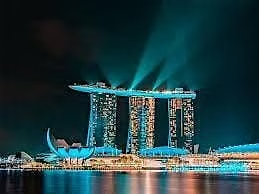
ArtScience Museum, 10 Bayfront Avenue,Singapore
Tickets

Concerts, fests, parties, meetups - all the happenings, one place.