
About this Event
What happens when babies are born before they’re ready to feed? How do you safely feed a baby that has been undernourished in the womb? And can nutrition in the NICU affect learning years later?
Every year, more than 4500 whānau in Aotearoa New Zealand experience preterm birth. Babies now survive at rates once thought impossible, but scientists are discovering that how babies are fed in the first days after birth may have lifelong consequences.
At this Liggins Institute public lecture, Interim Vice-Chancellor and Deputy Vice-Chancellor (Research and Innovation) Professor Frank Bloomfield, Dr Barbara Cormack and Dr Tanith Alexander will explore surprising new findings about early nutrition, where seemingly small decisions can shape brain development, allergies and lifelong health.
You’ll hear the extraordinary story of refeeding syndrome - a dangerous condition first recognised in starving explorers and victims of siege and imprisonment, in which feeding someone too quickly after severe malnutrition can K*ll them. Researchers now know that some extremely preterm babies can face the same risk after complications lead to them being undernourished in the womb. Liggins Institute research has helped dramatically reduce this condition in New Zealand hospitals and has changed neonatal practice around the world.
You’ll also discover why something as simple as giving preterm babies the smell and taste of milk before gastric tube feeds may improve language development in two-year-olds, reduce allergies and empower parents to play a direct role in their baby’s care.
Join us at 6 pm on Thursday July 2 for a fascinating evening of cutting-edge neonatal research and discovery. You’re warmly invited to stay for drinks and nibbles afterwards.
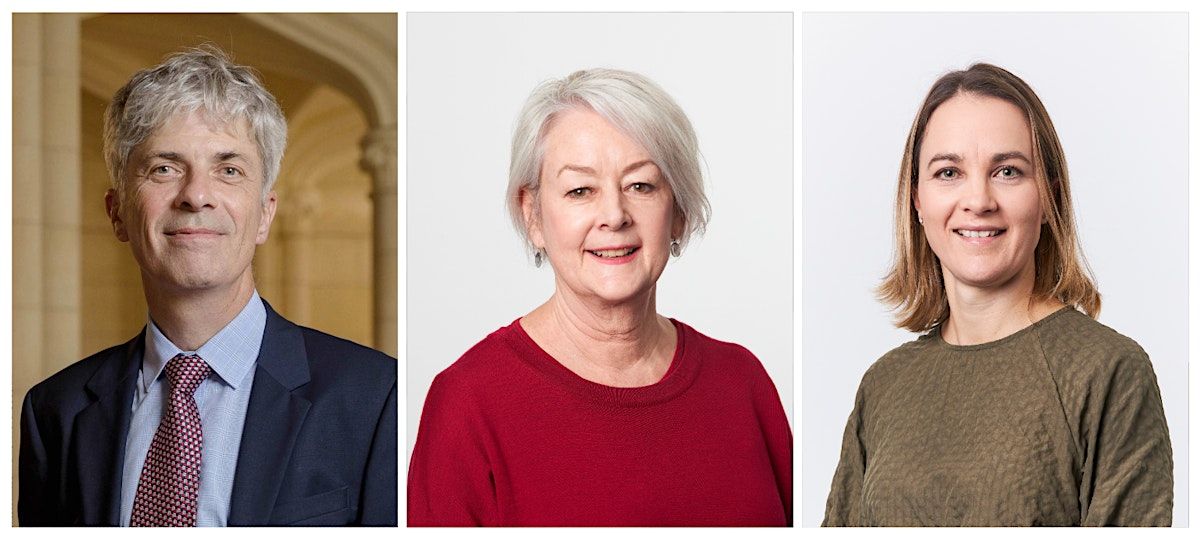
Professor Frank Bloomfield ONZM, FRSNZ (above left) is Interim Vice-Chancellor and Deputy Vice-Chancellor (Research and Innovation) at the University of Auckland. Having trained in Manchester, Auckland and Toronto, he worked as a consultant neonatologist at National Women’s from 2002 to 2020, together with an academic role at the Liggins Institute, University of Auckland. From 2015 to 2023 he was Director of the Liggins Institute.
Frank was appointed Officer of the New Zealand Order of Merit for services to neonatology in 2024 and was elected a Fellow of the Royal Society of New Zealand Te Apārangi in the same year. He continues to undertake research into neonatal nutrition, growth and development.
Dr Barbara Cormack (above centre) is a New Zealand paediatric dietitian and researcher at the forefront of neonatal nutrition innovation and improvement, currently working as a specialist neonatal dietitian and Clinical Lead of the team of 22 Starship Child Health dietitians. She has a PhD in Perinatal Science and is a Senior Research Fellow at the Liggins Institute at the University of Auckland where her research centres on how nutrition affects the growth, development and the long-term health of preterm babies.
Dr Tanith Alexander (above right) is a specialist neonatal dietitian at Middlemore Hospital and an Honorary Senior Research Fellow at the Liggins Institute. Tanith is actively involved in clinical research, has co-authored several academic articles and is the principal investigator of the DIAMOND trial. Dr Alexander has led qualitative work exploring mothers’ feeding journeys in the neonatal unit, identifying enablers and barriers to providing breastmilk to preterm infants. Dr Alexander is the current chair of the Australasian Neonatal Dietitians' Network and a member of the steering group establishing National Neonatal Nutrition guidelines for Aotearoa.
Event Venue & Nearby Stays
The Liggins Institute, 85 Park Road, Auckland, New Zealand
NZD 0.00