East of the Tower old-clothes sellers, sex workers, thieves and sailors' wives held sway both before and after the London Docks were built.
About this Event
Women reigned in Rag Fair, which extended from Tower Hill along Rosemary Lane into Cable Street in the 17th- to 19th-century parish of Stepney. The permanent market centred near Wellclose Square, but many vendors were mobile, locating anywhere they could.
Samuel Pepys called Damaris Page 'the most Famous Bawd in the Towne'. Poor women worked in her houses, sold old clothes, shoes and hats and thieved, alternating occupations according to need. In her brothel near the Navy Victualling Office, Page allowed press-gangs in for a fee, and as reward The Bawdy-House Riots of 1668 targeted her. She became a property-speculator and in her will left tuppence apiece to 'the Sisterhood' (of whores) to buy thread to mend their stockings.
Some of the back-alleys still wend their ways towards the first London Docks, the building of which in 1805 razed the area to make basins for sailing ships, surrounded by high walls to keep out river-pirates. Around the dock walls a myriad of businesses set up to service ships and sailors. Tobacco was a major import, its wharf preserved and accessible, along with two tall ships in replica.
The artist JMW Turner kept a house in Wapping for weekends with his longtime love, Sophia Booth. Two local women accused of witchcraft in the 1600s lived nearby.
Fans of Call the Midwife (television series and the memoir it's based on) will be interested to see where Mary escaped from one of the notorious brothel-cafés of Cable Street in the era of WWII bomb-sites and decline. Where we walk was part of the midwives' area of remit in Stepney.
We end near Wapping Station with numerous pubs to unwind in.
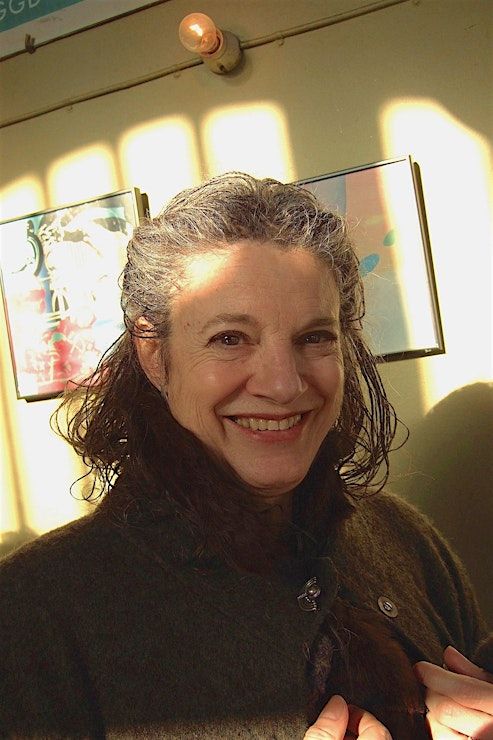
is Laura's longtime blog, now dedicated to historical walks that highlight issues of Gender, Sex and Class.
Event Venue
Outside Tower Hill Station, Tower Hill Station, London, United Kingdom
GBP 17.50