
 Learn RNAseq hands-on! Use Python & R to explore real gene data, build plots, and uncover what’s hiding in oyster genes.
About this Event
2 Session Workshop:
Saturday, March 7, 10am-1pm
Sunday, March 8, 10am-1pm
Explore RNA sequencing (RNAseq), one of the most powerful tools in modern genetics, molecular biology, and biomedical research.
Since its introduction over 15 years ago, RNAseq has become a foundational technology for profiling gene expression in organisms across the tree of life. It enables scientists to measure which genes are active under different conditions without requiring species-specific tools such as antibodies. Although single-cell RNAseq has rapidly approached the utility of basic, ‘bulk’ RNAseq, we will focus on bulk analysis for this class and only briefly discuss single-cell analysis.
Overall, RNAseq analysis is a mainstay of biomedical, pharmaceutical, and biotech research. If you’re looking to build your practical bioinformatics skills, this course is for you.
We will cover the basics of RNA-seq chemistry and analysis in a short lecture. Then, to apply our skills, we will analyze RNAseq datasets from male or female oysters (Crassostera virginica). To demonstrate a practical application of RNA-seq, we will analyze sex-specific gene expression to infer the sex of each sample.
Then we will apply our scripts and analysis to more exploratory analyses beyond simple sex-specific expression. We will begin by analyzing a few experiments in which oysters were subjected to various environmental stressors (infection, heavy metals, etc.) to identify changes in oyster transcription in response.
No prior coding experience is required, though we encourage brushing up on Python or R using beginner tools like DataCamp or RStudio Primers.
Bring your own laptop (any OS is fine) and we will also have laptops to borrow for the class.

Paul Frazel (he/him) received his PhD in 2024 from New York University, studying glial biology in the group of Dr. Shane Liddelow in the NYU Neuroscience Institute. During his PhD, Paul used advanced sequencing and genetic engineering tools to study transcriptional changes in astrocytes during normal development and Alzheimer's Disease (AD). Focusing on molecular biology for his postdoc, Paul is currently interested in how evolution drives transcriptional changes that generate discrete natural traits, such as the stripe phenotype seen in Rhabdomys pumilio. He has worked with dozens of bulk and single-cell RNA datasets across at least 10 different species. His favorite thing is taking sequencing and related techniques that were formerly too expensive to run at places like Genspace, and finding ways to produce meaningful datasets in a community lab setting with awesome & enthusiastic learners! Also he loves oysters!
Twitter/bluesky: @SciPaulie
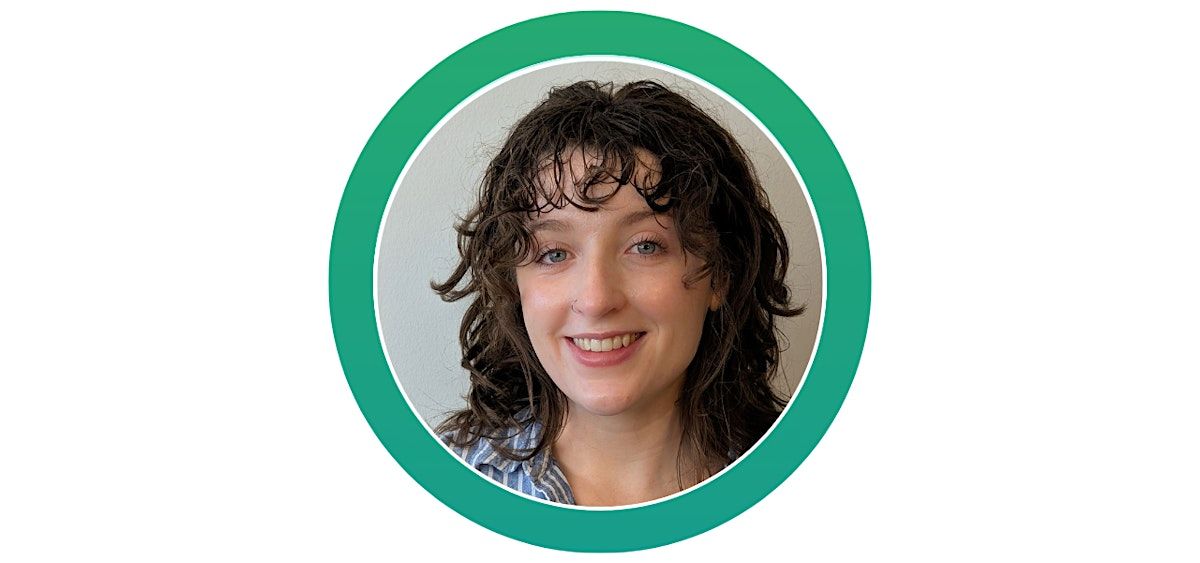
Theresa Steele earned her BA in Neuroscience from Reed College where she worked with Dr. Erik Zornik studying sexual dimorphism in the vocal pattern generator of Xenopus frogs. As a PhD student, Theresa now works in the lab of Dr. Katherine Nagel at NYU studying the food search behaviors of aquatic arthropods. In her spare time, she enjoys cooking too much food and hoarding house plants.
Event Venue
Genspace, 132 32nd Street, Brooklyn, United States
USD 113.89 to USD 161.90
