
About this Event
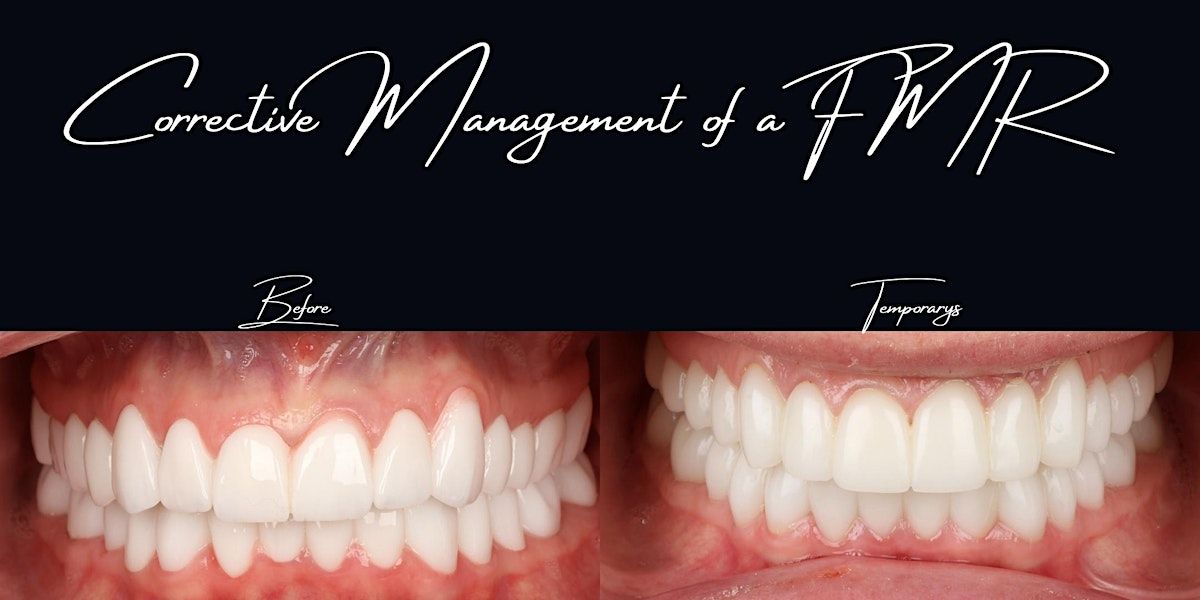
This intensive programme focuses on practical, simplified approaches to full mouth rehabilitation. Participants develop a clear understanding of occlusal philosophies, learning how and when to apply different concepts without unnecessary complexity. Vertical dimension management is demystified, with structured strategies for safely and predictably increasing vertical dimension when clinically indicated.
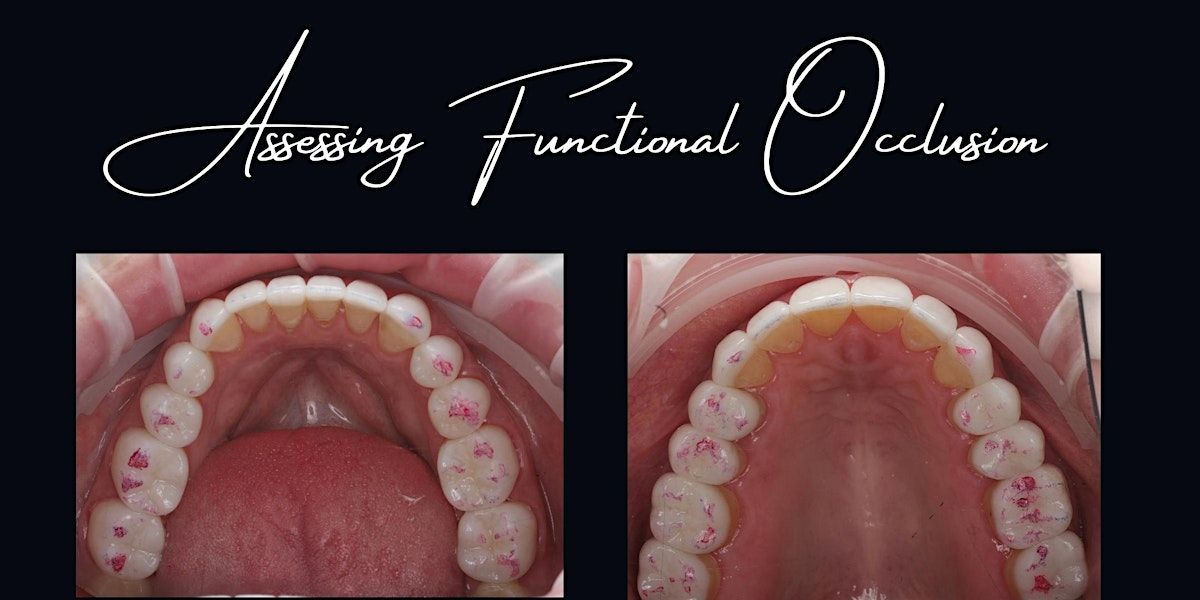
The course includes an in depth hands on component covering functional diagnosis and occlusal control. Participants are guided through identifying centric relation and centric occlusion, stabilising orthotics and transitioning them into CO=MIP, and selectively equilibrating different occlusal schemes.
Emphasis is placed on achieving stable, reproducible occlusion, including principles of mutually protected and balanced bilateral occlusion, to improve predictability, longevity and patient comfort.
COURSE OVERVIEW
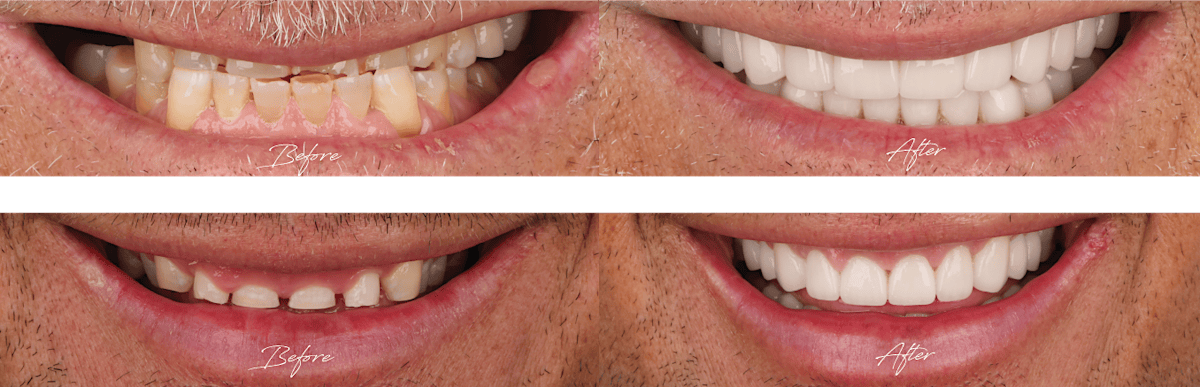
Advanced Aesthetic Rehabilitation is an intensive, hands on programme designed for clinicians seeking a structured and predictable approach to full mouth rehabilitation with a strong aesthetic focus. The course combines focused lectures with extensive practical training, allowing participants to translate complex concepts into repeatable clinical workflows.
Over two days, attendees refine their skills in advanced upper and lower arch preparation, occlusal diagnosis and restorative execution. Occlusal philosophies are clearly demystified through a practical comparison of Kois, Spear, Dawson, LVI and Pankey approaches. Participants gain clarity on how and when to apply each framework, with particular emphasis on understanding how definitions and applications of centric relation vary across these schools of thought and how this influences clinical decision making.
A significant component of the programme focuses on neuromuscular deprogramming and vertical dimension management. Participants gain hands on experience with a range of deprogramming techniques, including leaf gauges, Lucia jigs, Kois deprogrammers and anterior deprogrammers. The course also covers accurate recording, verification and transfer of planned changes in vertical dimension using calipers and reproducible reference points, ensuring predictable and stable restorative outcomes.
WHAT YOU WILL LEARN
Comprehensive rehabilitation diagnosis
Develop a structured approach to diagnosing complex restorative cases, including assessment of occlusion, vertical dimension, wear patterns, muscle involvement and functional risk.
Occlusal philosophies and clinical application
Gain clarity on the principles of Kois, Spear, Dawson, LVI and Pankey philosophies. Learn how definitions of centric relation differ between systems and how to apply each approach appropriately without overcomplicating treatment planning.
Centric relation and centric occlusion
Learn how to accurately identify, verify and record centric relation and centric occlusion, and understand how to transition CO=MIP.
Neuromuscular deprogramming techniques
Develop hands on proficiency with leaf gauges, Lucia jigs, Kois deprogrammers and anterior deprogrammers. Learn when to use each method and how to interpret patient response to guide treatment decisions.
Vertical dimension management
Demystify vertical dimension of occlusion. Learn when it is indicated to increase vertical dimension and how to do so safely, predictably and accurately using structured clinical protocols.
Orthotic therapy and stabilisation
Understand how to design, place and adjust orthotics, transition them into CO=MIP and use them as diagnostic and therapeutic tools in full mouth rehabilitation.
Advanced preparation strategies
Refine upper and lower arch preparation techniques for rehabilitation cases, including advanced lower arch preparation, BOPT and vertical preparation protocols.
Occlusal equilibration and scheme design
Learn how to selectively equilibrate occlusion and establish stable, reproducible occlusal schemes, including mutually protected and balanced bilateral occlusion, to optimise function and longevity.
Restorative sequencing and execution
Develop clear sequencing strategies for complex rehabilitation cases, ensuring predictable progression from diagnosis through to definitive restorative delivery.
HOW YOU WILL LEARN
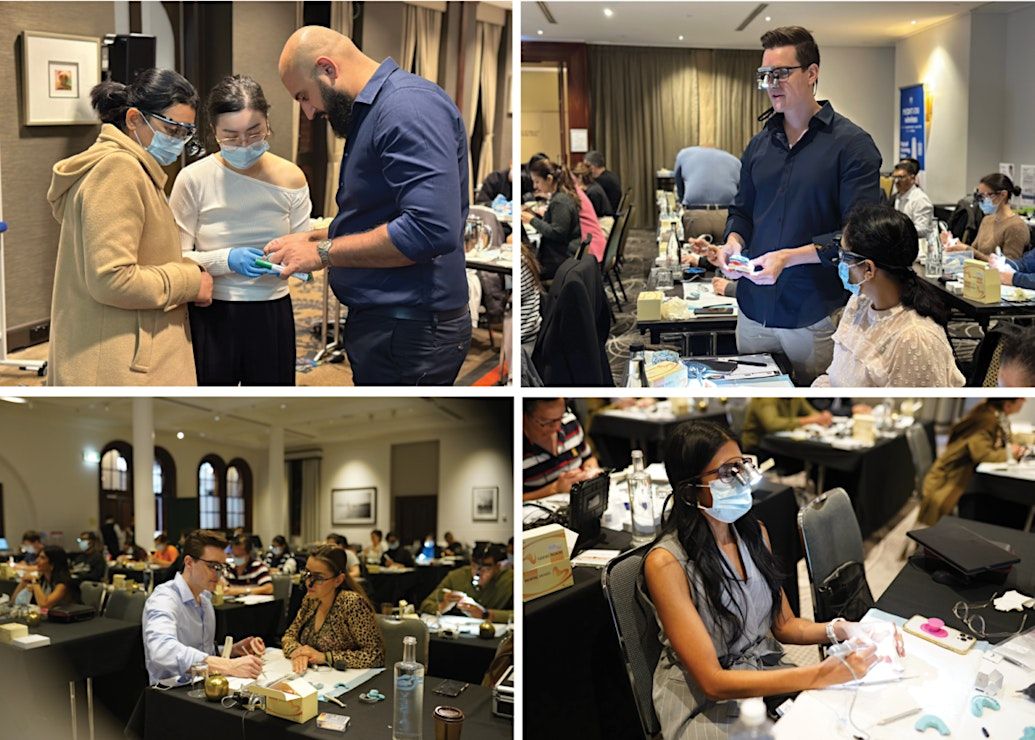
This programme is delivered through a structured combination of advanced lectures and extensive hands on clinical training, designed specifically for experienced clinicians managing complex restorative cases. Teaching is sequential and systems based, ensuring participants understand not only how to perform each step, but why it is indicated and how it integrates into the broader rehabilitation workflow.
Hands on sessions focus heavily on functional diagnosis, occlusal control and restorative execution. Participants work through real world rehabilitation scenarios, applying occlusal concepts, deprogramming techniques and vertical dimension protocols in a guided, supervised environment. Emphasis is placed on reproducibility, clinical decision making and managing variability between patients.
A highly experienced faculty team is present throughout the course to provide individual supervision, challenge clinical assumptions and refine technique. The goal is not exposure to isolated techniques, but the development of a clear, defensible rehabilitation system that participants can confidently apply to their own complex cases.
Cancellation Policy
- More than 30 days prior to the course date:
A full refund will be provided. - Within 30 days of the course date:
A 50% refund will be provided. - Within 15 days of the course date:
No refunds will be available.
Saturday
Day 1: Diagnosis, Occlusion and Vertical Dimension
Welcome and Programme Orientation
Info: Course structure, learning objectives and the clinical philosophy underpinning predictable full mouth rehabilitation.
Comprehensive Rehabilitation Assessment
Info: A structured approach to diagnosing complex cases, including assessment of wear, vertical dimension, occlusal instability, muscle involvement and functional risk. Emphasis is placed on recognising when a case requires rehabilitation and how to define clear treatment objectives
Occlusal Philosophies in Clinical Practice
Info: A practical comparison of Kois, Spear, Dawson, LVI and Pankey philosophies. The session focuses on understanding how definitions of centric relation differ between systems and how to apply these concepts pragmatically without overcomplicating treatment planning.
Deprogramming and Functional Diagnosis
Info: An in depth exploration of neuromuscular deprogramming techniques, including leaf gauges, Lucia jigs, Kois deprogrammers and anterior deprogrammers. Participants learn how to select, use and interpret each method to guide clinical decision making.
Vertical Dimension Management
Info: A structured approach to vertical dimension assessment and modification. The session covers when it is appropriate to increase vertical dimension, how to do so safely and reversibly and how to record, verify and transfer changes using calipers and reproducible reference points.
Case Discussion and Integration
Info: Application of Day 1 concepts through guided case discussion, focusing on diagnosis, occlusal strategy selection and vertical dimension planning.
Sunday
Day 2: Execution, Preparation and Occlusal Control
Day 2 Orientation and Review
Info: Recap of diagnostic and occlusal principles and objectives for clinical execution.
Orthotic Therapy and Stabilisation
Info: Design, placement and adjustment of orthotics, equilibrating centric occlusion to equal MIP and using orthotic therapy as both a diagnostic and therapeutic tool in rehabilitation cases.
Advanced Preparation Strategies
Info: Detailed instruction in advanced upper and lower arch preparation for rehabilitation cases. Topics include BOPT, vertical preparation protocols and preparation strategies for managing worn, crowded and collapsed dentitions
Occlusal Equilibration and Scheme Design
Info: Hands on application of selective equilibration techniques. Participants learn how to establish stable, reproducible occlusal schemes, including mutually protected and balanced bilateral occlusion, to optimise function and restorative longevity.
Restorative Sequencing and Delivery
Info: A step by step approach to sequencing rehabilitation cases from provisionalisation through to definitive restorations, with emphasis on predictability and risk management.
Case Review and Clinical Decision Making
Info: Integration of concepts through complex case review, focusing on troubleshooting, common errors and long term maintenance strategies.
Final Q&A and Course Close
Event Venue & Nearby Stays
The Australasian College of Dental Practitioners, 60 Archer Street, Chatswood, Australia
AUD 3500.00 to AUD 3799.99