About this Event
This course was developed for healthcare providers seeking more effective, compassionate approaches to caring for patients with complex chronic pain. Traditional strategies such as opioids, procedures, and surgery often fall short of restoring quality of life. Likewise, movement interventions without a grounding in pain science—and pain science without a trauma-informed lens—limit meaningful progress.
Our goal is to equip clinicians with evidence-based, non-surgical and non-pharmacological strategies that renew their confidence and enthusiasm for working with people in pain. The curriculum centers on three foundational pillars: Pain Science, Acceptance and Commitment Therapy (ACT), and Lifestyle Medicine.
We are pleased to share both our experience and the current evidence to support providers in cultivating professional curiosity, clinical skill, empathy, and sustainable, whole-person care for chronic pain populations.
This is a 2 day course taught over 2 Saturdays Jan 31st and Feb 7th. If either of these days don't work out please do not sign up as CME's will only be given if you attend both days.
Speakers:
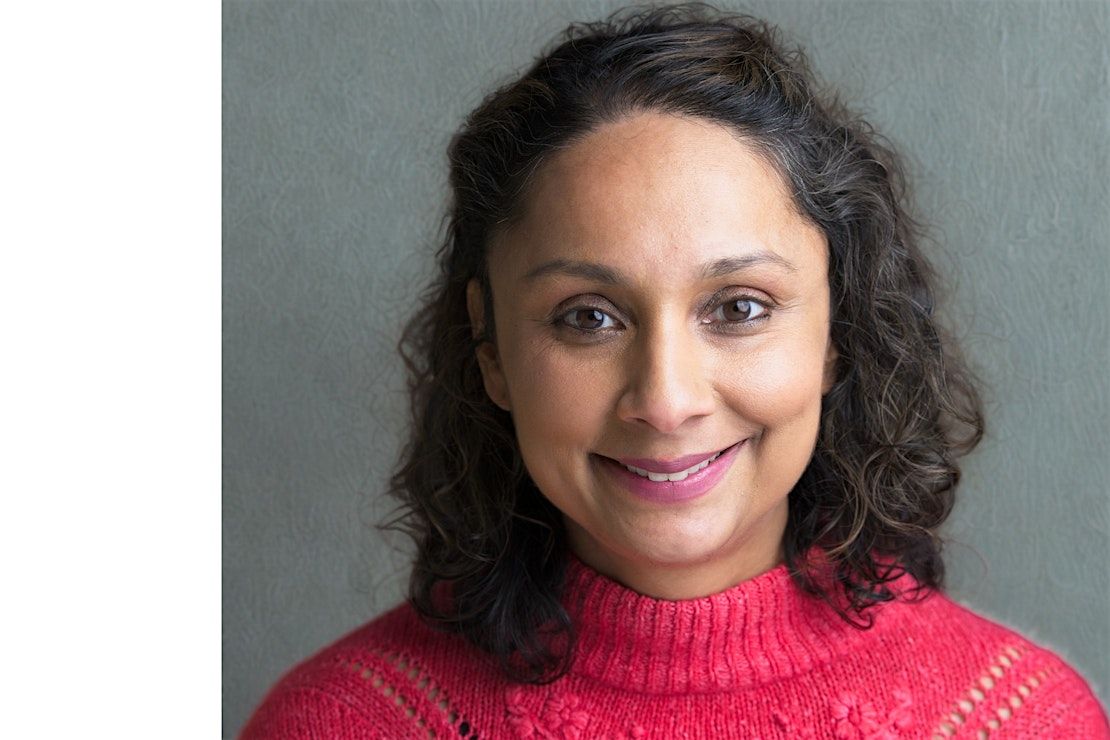
Dr. Mythili Ransdell is a primary care physician and program director for the Samaritan Health Services internal medicine residency program. She is an award-winning medical educator and has spoken locally and regionally about the meaning of pain and the evidence behind the current treatment models.
Dr. Ransdell received her B.S. degree in French and Economics from Georgetown University, medical degree from the University of Pittsburgh School of Medicine and completed her combined Internal Medicine/Pediatrics residency at the University of Massachusetts.
Dr. Ransdell lives with her family in Corvallis, enjoys live theater, reading, doing almost anything outside, making PowerPoint presentations, and driving her children around.
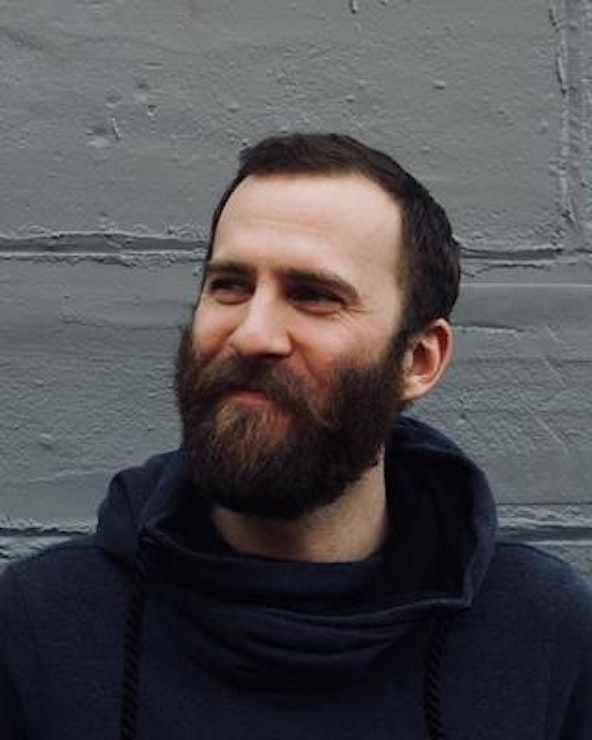
Dr Scott McFee, PsyD is a licensed clinical psychologist in the State of Oregon. He got interested in psychology at 16 and never changed his mind. After double-majoring in psychology and philosophy in undergrad, Scott got his Psy.D at The Chicago School of Professional Psychology. His specialties are in Acceptance and Commitment Therapy, working with adolescents, talk therapy approaches to psychosis, and residential treatment of adolescents. He teaches and supervises at Oregon State University, and maintains a part-time private practice in Corvallis.
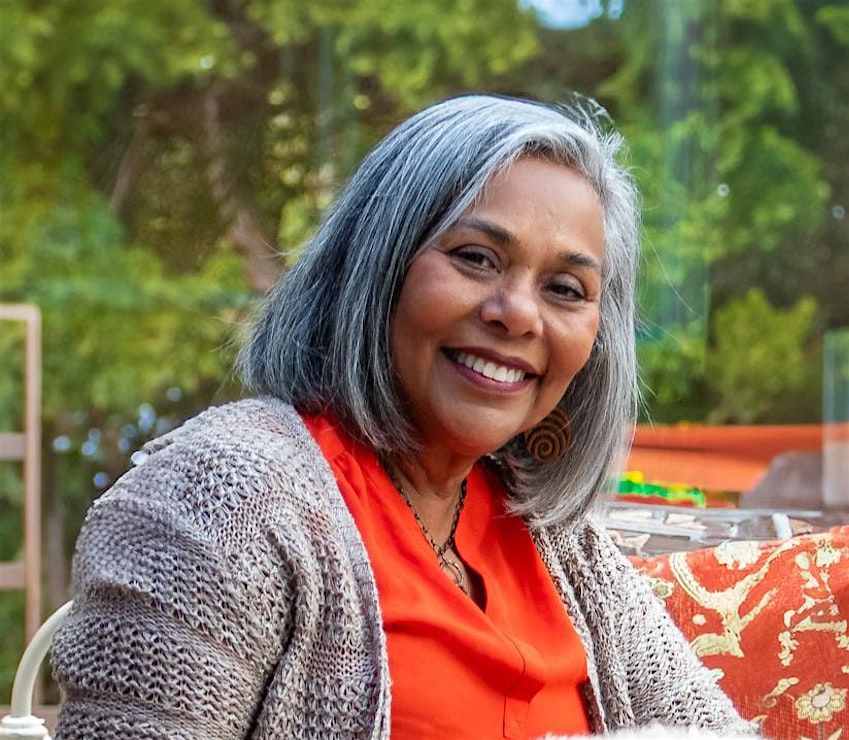
Dr. Sharna Prasad, PT, DPT, is a Therapeutic Pain Specialist with nearly four decades of experience in outpatient care, specializing in complex and persistent pain. She earned her bachelor’s degree in physiotherapy from M.S. University in India, completed her transitional Doctor of Physical Therapy through the International Spine and Pain Institute, and holds advanced training in Lifestyle Medicine, Acceptance and Commitment Therapy (ACT),and Mindfulness-Based Stress Reduction (MBSR), With over 500 hours of pain-science education, she integrates movement, pain-science education, mindfulness, lifestyle medicine, and trauma-informed care. Dr. Prasad is currently involved in doing Shared Medical appointments using the Easy2Care program, with a Rheumatologist working with Rheumatoid arthritis patients in a group setting. She is known for her patient-centered, values-based, and empowerment-focused approach to helping people who have “tried everything else” and are still struggling with pain. She has a Pain and Lifestyle medicine coaching private practice.
Dr Prasad has lived in Corvallis with her husband and 3 grown up children for the last 27 years. She enjoys traveling, doing mosaics, hiking and gardening.
Jan 31st Agenda
🕑: 09:00 AM - 09:15 AM
Welcome-What are your struggles when treating chronic pain patients?
Info: We want to know all your struggles and frustrations when treating chronic pain patients. Please write them out for us so that we can address them throughout the course.
🕑: 09:15 AM - 10:15 AM
Definition of Pain-Guidelines review
Host: Dr Sharna Prasad
Info: In this section we will define pain using the IASP 's definition(International association of Pain). We will discuss the biopsychosocial nature of pain. We will discuss the guidelines from different countries and compare the different active and passive therapies and their roles in the management of pain.
🕑: 10:15 AM - 11:15 AM
What does pain have to do with the body?
Host: Dr Mythili Ransdell
Info: Pain is often viewed as a purely physical symptom, yet it is a complex experience shaped by biological, psychological, and social factors. This presentation reviews the historical evolution of pain models and how traditional biomedical approaches have influenced clinical practice, often limiting care for people with persistent pain. Current pain management strategies are examined, highlighting key gaps. Drawing on neuroimaging research and contemporary frameworks such as catastrophizing and avoidance, the session introduces an integrated understanding of pain—its role, meaning, and impact on function. The goal is to equip healthcare professionals with a clearer, evidence-based framework to support patient-centered interventions that improve function, self-efficacy, and quality of life. Informed by decades of clinical and educational experience, the presenter shares practical insights and clinical pearls to help clinicians approach pain with greater confidence and compassion.
🕑: 11:15 AM - 11:30 AM
Break
🕑: 11:30 AM - 12:15 PM
Selfcare before Service
Host: Dr Sharna Prasad
Info: In this section we will zoom out a bit. Will look at health from a more national level. We will discuss the different determinants of health. How medical care contributes to 11% of over all health in America. We will discuss health equity, socioeconomic factors, health behaviors, genetics and biology and environment contribute to overall health of an individual. We will also discuss burnout and how we as providers need to prioritize selfcare before service, using the Titanic model.
🕑: 12:15 PM - 01:00 PM
Lunch
🕑: 01:00 PM - 03:00 PM
Trauma informed care, all behaviors make sense, avoidance and addiction
Host: Dr Scott McFee
Info: This talk reframes trauma-informed care from an abstract, organizational concept into a practical, relational framework grounded in lived experience. It explores how trauma shapes both client and clinician behavior in real time, influencing responses to the world and to perceived threats. Using the adaptive frameworks of dissociation, vigilance, and avoidance, the discussion highlights how all behavior makes sense when understood in context. Rather than asking “What is wrong with you?”, trauma-informed care is reframed as “What happened to you?”. Participants will gain clarity on the goals and limitations of trauma-informed care, the role of power in shaping behavior, how dissociation and vigilance function as protective strategies, how avoidance contributes to emotional suffering, and how a functional, pragmatic lens can enhance understanding and clinical practice.
🕑: 03:15 PM - 05:00 PM
Case studies- small groups-skills training- Problem representation
Info: Here we will break out into small groups and will have a case study and based on what you have learned you will do a problem representation. You will look at the problem, understand, frame it and then figure out how you are going to approach it.
🕑: 09:00 AM - 09:15 AM
Feb-7th-Recap of Day 1, Any questions to be added to the list
🕑: 09:15 AM - 10:00 AM
Feb-7th Lifestyle medicine and ACT Framework
Host: Dr Sharna Prasad
Info: We will discuss the key human yearnings that when not met causes suffering. The yearnings lead us to the ACT Processes that we will learn and how these processes are tied to Lifestyle medicine pillars. This framework gives us a way to address different aspects of health physical, emotional and mental health
🕑: 10:00 AM - 11:00 AM
Feb 7th Medicine Cabinet in the body- Physical Activity and Sleep
Host: Sharna Prasad
Info: Here we discuss the medicine cabinet in the body. Our body has an innate way of producing hormones that support us in maintaining our balance. There are activities that we can do mindfully that can produce these hormones that can help our body with pain. How physical activity plays a role in chronic pain . We discuss the question "How can I move when I am in so much pain?". We discuss sleep physiology and how physical activity and sleep are so closely related. How once we understand the physiology it becomes easier to influence sleep.
🕑: 11:00 AM - 11:15 AM
Break
🕑: 11:15 AM - 12:15 PM
Feb-7th Fueling your body-Shared Medical appointments
Host: Sharna Prasad
Info: We discuss the Lifestyle medicine plate and Full plate living plate. We learn the basics of fiber and water. We answer why pushing for protein is not the answer to health. We share resources that are evidence based and free that you can share with your patients.
🕑: 12:15 PM - 01:00 PM
Lunch
🕑: 01:00 PM - 03:00 PM
Feb-7th ACT Processes and skills regulation
Host: Dr Scott McFee
Info: Acceptance and Commitment Therapy/Training (ACT) is a pragmatic, evidence-based approach to human flourishing that centers on psychological flexibility—the ability to engage meaningfully with life even in the presence of pain or difficulty. Grounded in the question “Is this working for this person in this context?”, ACT emphasizes that all behavior makes sense when understood contextually. The model is organized around six core processes that support more effective responses to both suffering and success. These moment-to-moment skills are applicable for clients and clinicians alike, guiding choices that align with what matters most. Participants will gain a clear understanding of psychological flexibility, the act-in-context perspective, and the six ACT processes: cognitive defusion, acceptance, present-moment awareness, self-as-context, values clarification, and committed action as practical tools for meaningful and values-driven living.
🕑: 03:00 PM - 03:15 PM
Break
🕑: 03:15 PM - 05:00 PM
Case studies- Transdisciplinary care-patient centered care
Event Venue & Nearby Stays
Old Mill Center for Children & Families, 1650 southwest 45th street, Corvallis, United States
USD 0.00 to USD 525.00