
About this Event
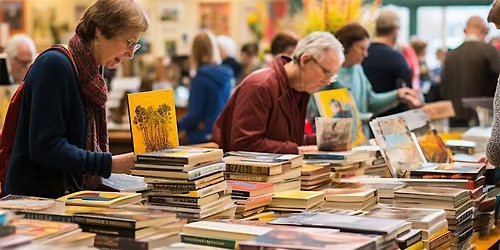
Moderating the discussion is The Times journalist Alexandra Alter. This event will be hosted in the Strand Book Store's 3rd floor Rare Book Room at 828 Broadway on 12th Street.
Can’t make the event?
ACCESSIBILITY:
Strand Book Store is an ADA compliant venue. The event space is accessible via elevator.
ASL interpretation is available for this event by request only. Please reach out to our events team at [email protected] by Nov. 27 to request.
Please ask a Strand employee upon arrival for directions to accessible seating if preferred.
For further information on accessibility in this space, or to make a request, please contact [email protected]
---------------------------------------------------------------------
An American Booksellers Association's Indie Next Great Read (December 2025) The story of an Indigenous girl’s kidnapping during a colonial expedition intertwines with a young woman’s modern-day search for identity and ancestral truths.
In 1817, two German scientists traveled across Brazil and into the Amazon gathering flora and fauna to study and display in Europe. Among the collection they brought to the Bavarian court were two Indigenous children.
The children’s images became widespread, satisfying European curiosity about the distant land they came from. But little was known about the children themselves. Despite the scientists’ detailed records about many of the plant and animal specimens, they only noted the children’s tribes: the girl was a Miranha, and the boy, a Juri. After a few months, the children died in Germany, far from anyone who knew their names.
The Jaguar’s Roar, a spellbinding poetic novel told in many voices, imagines the children’s journey and a modern Brazilian woman’s effort to counter their disappearance from history.
In her award-winning fifth novel, Micheliny Verunschk inhabits the fictional perspective of the Miranha girl, of the jaguar she conjures for protection, of the German scientists who determine her fate, and of the two rivers that frame her life. Intertwined in this narrative is a story of Brazil’s suppression of its Indigenous history, and of a young woman named Josefa, a newcomer unmoored in the megacity of São Paulo, who identifies with the girl after seeing her image in an exhibit and tries to recover the child’s voice and story.
In Juliana Barbassa’s vivid translation, Verunshuk’s lyrical sentences carry the reader through a powerful exploration of memory, colonialism, and belonging, and make a lasting contribution to world literature.
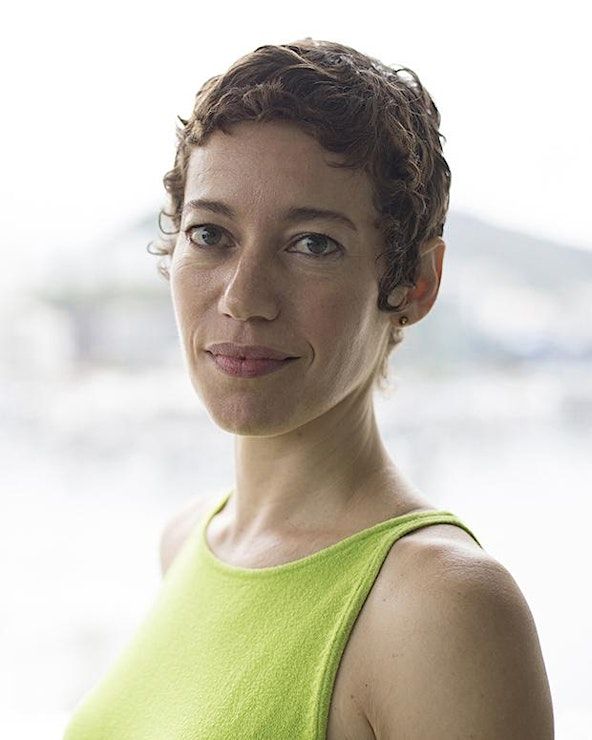
Juliana Barbassa is an award-winning journalist and author. She is a features editor at The New York Times and lives in New York City.
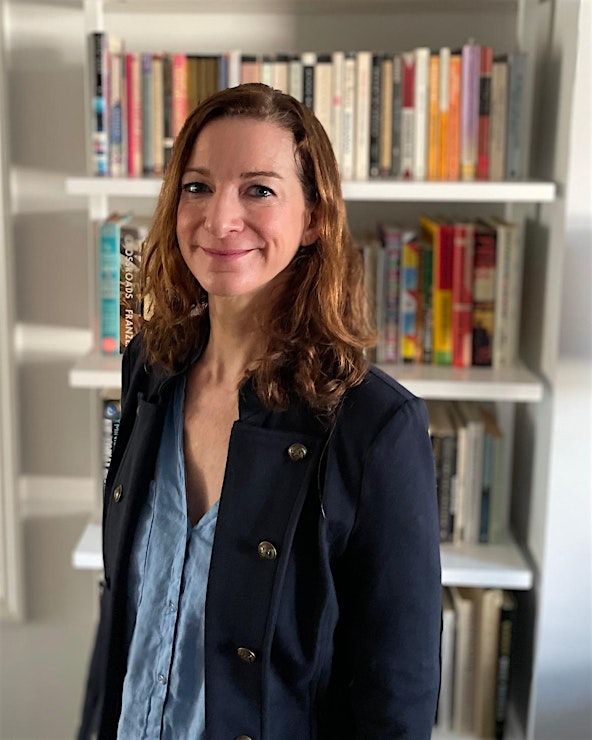
Alexandra Alter has covered books for The Times since 2014. She writes profiles of authors, features about literary trends, news about the publishing industry, and stories about the ways that books intersect with current social, political, technological, and cultural issues.
Event Venue & Nearby Stays
Strand Book Store, 828 Broadway, New York, United States
USD 13.61 to USD 34.50